Structural Concrete in Birmingham
Structural Concrete Contractor Serving Birmingham, AL
Service Area Confirmation for Birmingham, AL and Surrounding Communities
We provide structural concrete services throughout Birmingham, AL and the surrounding communities, including Homewood, Vestavia Hills, Mountain Brook, Hoover, Trussville, Irondale, Bessemer, and beyond. Whether your project is in a neighborhood like Avondale or a subdivision like Ross Bridge or Greystone, we are available to assess your site, pull the necessary permits through the City of Birmingham Building Permits Division or Jefferson County Building Department, and get your project moving. We typically respond to new project inquiries within one business day.
Common Structural Concrete Problems Birmingham Property Owners Face
If you are dealing with a cracked foundation, a settling slab, or a retaining wall that is starting to lean, you are not alone. These are some of the most common issues we see across the Birmingham area. Concrete cracking and structural movement can start small but grow into serious problems if they go unaddressed. A crack in a load-bearing wall or footing is not the same as a surface blemish on a sidewalk. It can signal deeper issues with the foundation, the soil beneath it, or the way the original concrete was mixed and placed. We have seen what happens when structural concrete work is rushed or done without proper reinforcement, and the repair costs are almost always higher than doing it right the first time. Understanding how structural concrete works is an important first step, and we are here to walk you through it.
Local Birmingham Knowledge Including Soil Conditions, Weather, and Neighborhood-Specific Context
Birmingham sits within the Valley and Ridge Province of Alabama, and the soil conditions here vary widely from one neighborhood to the next. In many parts of Jefferson County, you are dealing with expansive clay or residual soil layered over weathered rock or shale bedrock. That kind of ground moves with moisture, and Birmingham sees enough rain throughout the year to make that a real concern for any structural concrete project. Near the Cahaba River corridor, alluvial deposits can create softer, less stable ground that requires careful site evaluation before anything is poured. Closer to areas like Crestwood or Irondale, you may encounter Cahaba Valley Limestone near the surface, which affects how footings and foundations need to be designed. We know this region, and we factor in these local conditions when we plan every job. That knowledge matters when concrete durability and long-term structural integrity are on the line.
Birmingham-Specific FAQ About Structural Concrete Services
Do you work with engineers and inspectors in Jefferson County? Yes. We regularly coordinate with structural engineers, architects, and inspectors from the Birmingham Planning Engineering and Permits office and the Jefferson County Building Department. Structural concrete must meet local building codes and engineering specifications, and we make sure the work is ready for inspection at every stage.
What concrete strengths do you typically use for structural work? It depends on the application. Most residential structural work calls for concrete in the 3000 psi to 5000 psi range at 28-day compressive strength. Commercial or industrial projects may require 6000 psi or higher, along with specific requirements for reinforced concrete placement and concrete mix design.
Do you handle both residential and commercial structural concrete? We do. We have worked on residential foundations in neighborhoods from Mountain Brook to Bessemer, as well as larger commercial projects closer to Downtown Birmingham. No matter the scale, we bring the same attention to reinforcement placement, concrete formwork, and proper curing to every job.
Why does the soil in Birmingham matter for my project? Birmingham Red Clay and expansive soils common to Jefferson County can shift and swell when wet, then shrink when dry. That cycle puts stress on concrete over time. Accounting for these conditions during planning helps prevent costly problems down the road. Before we ever start pouring, we look at what is under the ground, not just what is on top of it. That brings us to the question a lot of property owners have at the start: what exactly is structural concrete, and how is it different from other types of concrete work?
What Is Structural Concrete
Definition and Purpose of Structural Concrete
Structural concrete is concrete that carries weight and transfers loads through a building or structure. It is designed and placed to support whatever is built on top of or around it. This includes the ground beneath a home, the walls holding back soil, and the beams and columns inside a commercial building. The goal is structural integrity — making sure the concrete performs under real stress over a long period of time. We work with concrete mixes designed to reach 4000 psi or higher, often using reinforced concrete with Grade 60 rebar to meet the load demands of each project.
How Structural Concrete Differs from Decorative or Flatwork Concrete
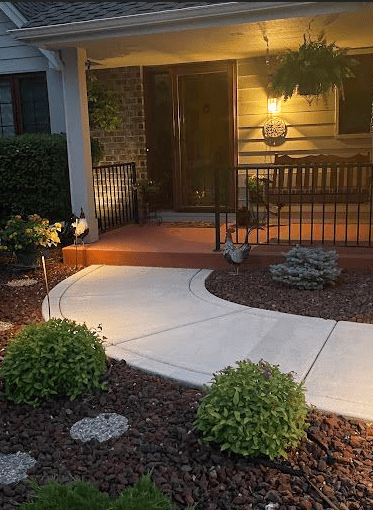
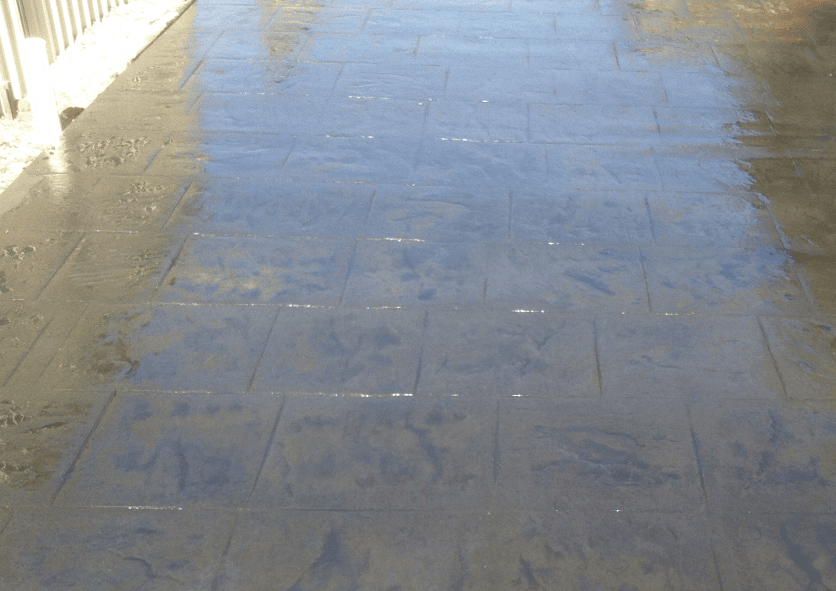
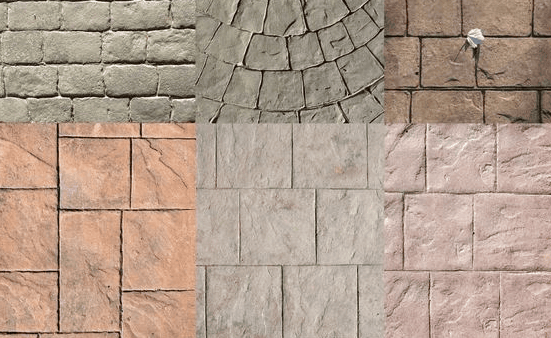
Not all concrete work is the same. A decorative patio or stamped walkway is built for appearance and light use. Structural concrete, on the other hand, is built to a different standard. It involves careful attention to concrete mix design, proper placement of reinforcement, and controlled concrete curing techniques to reach full 28-day compressive strength. Structural analysis and engineering specs guide how the concrete is poured and finished. In Birmingham, soil conditions like expansive clay and karst topography found in parts of Jefferson County can affect how a structural pour needs to be designed and prepared.
Common Applications in Residential and Commercial Settings
Structural concrete shows up in many places across Birmingham and surrounding areas like Hoover, Vestavia Hills, and Trussville. On the residential side, you will find it in foundations, footings, retaining walls, and basement walls. On the commercial side, it is used in columns, beams, load-bearing slabs, and parking structures. Concrete durability matters in all of these cases because these elements are not easy or cheap to repair once they are in the ground or inside a building. Concrete cracking, shifting, and moisture intrusion are all real risks when structural work is not done correctly from the start. Understanding what goes into structural concrete is the first step toward knowing what kind of help you need, and the types of structural concrete work we handle cover a wide range of those needs.
Types of Structural Concrete Work We Handle
Over the years, we have worked on a wide range of structural concrete projects across Birmingham, from older neighborhoods like Avondale and Woodlawn to newer developments out in Trussville and Vestavia Hills. The work varies a lot depending on the site, the soil, and what the structure needs to do. Below is a breakdown of the main types of structural concrete work we handle on a regular basis.
Foundations and Footings
Foundations and footings are the starting point for almost every structure we work on. They transfer the weight of the building down into the ground, so getting them right is not optional. Birmingham's soil can shift quite a bit depending on where you are. Expansive clay and residual soils common throughout Jefferson County can put serious stress on concrete over time if the foundation is not designed and poured correctly. We evaluate site conditions before we pour, and we use properly sized rebar, correct concrete strength, and placement methods that hold up to local ground conditions. Whether it is a residential footing for a home addition or a deeper foundation for a commercial build, we follow ACI 318 guidelines and coordinate with engineers when the project calls for it.
Slabs Designed for Load-Bearing Use
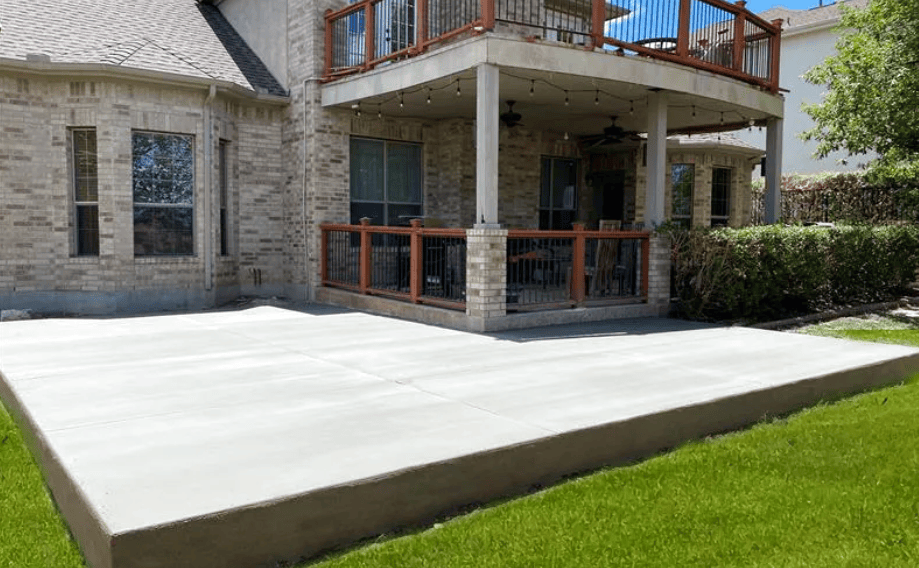
Not all slabs are the same. A decorative patio slab and a structural floor slab are very different animals. Load-bearing slabs need to be designed with the right concrete mix design, proper reinforcement layout, and thickness to handle the weight placed on them. We commonly work with 4000 psi and 5000 psi mixes depending on the application, and we use rebar such as #4 and #5 at specified spacing to meet engineering requirements. Vapor barriers, expansion joint filler, and proper concrete curing techniques all play a role in how well the slab performs over time. Skipping any of those steps can lead to concrete cracking, uneven settling, or reduced load capacity down the road.
Retaining Walls
Retaining walls hold back soil and manage grade changes, which makes them a structural element, not just a landscaping feature. Around Birmingham, sites with significant elevation changes, like those near Red Mountain Park or along the hillier parts of Homewood and Mountain Brook, often require retaining walls that are engineered for real lateral pressure. We build concrete retaining walls using reinforced concrete with appropriate rebar sizing and embedment depth. Drainage behind the wall is just as important as the wall itself, and we account for that as part of the work.
Beams and Columns
Beams and columns are the backbone of many commercial and multi-family residential structures. These elements carry and transfer loads between floors and down to the foundation, so concrete reinforcement placement has to be precise. We work from engineering drawings and make sure rebar placement, concrete cover, and formwork are all within the tolerances the project requires. We use Grade 60 rebar and high-performance concrete mixes when the structural analysis calls for it, and we do not cut corners on curing time just to move faster.
Structural Repairs and Replacement
Sometimes the work is not new construction but fixing what is already there. Structural concrete repairs can involve patching deteriorated sections, replacing damaged footings, or rebuilding compromised walls or slabs. We assess the existing conditions first, identify the source of the problem, and then determine whether repair or full replacement makes more sense. In some cases, products like Xypex or MasterEmaco are appropriate for restoring structural integrity to concrete that has cracked or spalled. In others, a section needs to come out and be replaced entirely. Either way, the goal is a result that meets current code and holds up for the long term.
Knowing what type of structural concrete work you need is only part of the picture. The other part is recognizing when the concrete you already have is starting to show signs of trouble.
A few years back, we took on a structural concrete project for a commercial building in downtown Birmingham, not far from the Railroad Park area. The client needed a reinforced concrete foundation for a multi-story addition to their existing building. It seemed straightforward at first, but things got complicated fast.
Right after we broke ground, our crew ran into something unexpected. About four feet down, we hit a layer of expansive clay soil, which is actually pretty common in the Birmingham area due to our region's geology. This type of soil swells when it gets wet and shrinks when it dries out. For a structural concrete foundation, that kind of movement underneath can cause serious cracking and long-term damage to the entire structure.
We had to stop and rethink the whole approach. After consulting with a geotechnical engineer, we decided to excavate deeper than originally planned and replace the problem soil with compacted gravel and a lean concrete base. We also redesigned the rebar layout to add more reinforcement throughout the foundation to handle any residual ground movement.
The extra work added time and cost to the project, and we had to have an honest conversation with the client about why. They appreciated that we flagged the problem early rather than pouring over unstable ground and leaving them with a compromised structure down the road.
With over 20 years of combined concrete experience and more than 10 years working right here in Birmingham, our crew has learned that local soil conditions are something you always have to take seriously. That project reminded us why thorough site evaluation before any pour is not optional. It is the foundation of doing the job right.
Signs You May Need Structural Concrete Work
Knowing when something is wrong with your concrete can save you from a much bigger and more costly problem down the road. We have worked on structural concrete projects across Birmingham for over a decade, and in that time we have seen how small warning signs can quietly turn into serious structural concerns. Here is what to watch for.
Visible Cracking or Shifting in Walls, Floors, or Foundation
Not all cracks are equal. Hairline surface cracks from normal curing shrinkage are common and usually minor. But wide cracks, diagonal cracks near corners, or cracks that run through a wall or foundation at an angle are different. These can point to movement in the structure, soil pressure, or a problem with the original concrete mix design. In Birmingham, expansive clay soils and the area's Valley and Ridge Province geology can put real pressure on foundations and retaining walls over time. If you are seeing cracks that are growing or shifting, that is worth a professional look.
Settling or Uneven Surfaces
If a floor, slab, or driveway has started to sink or feel uneven underfoot, settling may be the cause. This can happen when the soil beneath the concrete shifts, washes out, or was not properly compacted before the pour. In areas near Village Creek or Five Mile Creek, moisture movement through the ground can quietly undermine a slab over time. Uneven surfaces are not just a tripping hazard. They can also signal that the structural integrity of a load-bearing element is being compromised.
Water Intrusion or Moisture Damage
Water getting in through a foundation wall, basement floor, or slab is a warning sign that should not be ignored. Moisture can weaken the bond between concrete and its reinforcement, and it accelerates deterioration from the inside out. Proper concrete curing techniques and vapor barriers during the original installation help prevent this, but older structures or poorly installed work may not have those protections in place. If you are seeing staining, efflorescence, or standing water near a concrete structure, the source needs to be identified before any repair work begins.
Spalling, Deterioration, or Exposed Rebar
Spalling is when the surface of concrete flakes, chips, or breaks away. It is often caused by moisture getting inside the concrete and then freezing, or by corrosion of the steel reinforcement underneath. When rebar corrodes, it expands and pushes the concrete apart from the inside. If you can see exposed rebar or rust staining on a concrete surface, the concrete durability has already been compromised. At that point, a patch repair may not be enough depending on how deep the damage goes.
When to Call a Professional Versus Attempting a Patch Repair
Small cosmetic cracks or surface blemishes on a non-structural slab can sometimes be filled with an appropriate repair product. But when cracks are wide, actively moving, or located on a load-bearing element like a footing, column, or foundation wall, a patch is rarely the right answer. Structural concrete supports real weight and transfers load through the building. Getting that wrong has consequences that go well beyond aesthetics. We always recommend having a professional assess the damage first before deciding on a repair path. That way you are not spending money on a fix that will not hold.
Understanding why structural concrete holds up when it is done right comes down to how it is built from the inside. That starts with concrete reinforcement and how steel and concrete work together to carry loads.
How Reinforced Concrete Works
Concrete is very strong under compression, meaning it handles weight pushing down on it well. But on its own, it has low tensile strength, which means it can crack or break when pulled or bent. That is where reinforced concrete comes in. By combining concrete with steel, we get a material that handles both compression and tension. This is the foundation of structural concrete work, and it is what makes load-bearing elements like footings, columns, slabs, and retaining walls reliable over the long term.
The Role of Rebar and Wire mesh in Structural Concrete
Steel reinforcement, most commonly in the form of rebar or welded wire reinforcement, is placed inside the concrete before it is poured. Common choices for structural work include #4 and #5 rebar at Grade 60, which provides a 60 ksi yield strength. In areas exposed to moisture or soil contact, we may use epoxy-coated or galvanized rebar to slow corrosion. Proper placement matters just as much as the steel itself. Rebar has to be positioned at the right depth, typically with 3-inch cover for foundations, and spaced correctly, such as #5 at 12 inches on center, to meet specs under ACI 318. Birmingham's soil conditions, including expansive clay and areas with residual soil common across Jefferson County, can put added stress on concrete structures. Getting the reinforcement right from the start protects against shifting and cracking over time.
Concrete Mix Design and Strength Ratings
Not all concrete is the same. The mix design determines how strong, durable, and workable the concrete will be. For most structural work in the Birmingham area, we use mixes with a 28-day compressive strength ranging from 4000 psi to 5000 psi, depending on what the element needs to support. We also pay close attention to the water-to-cement ratio, often targeting 0.45 or lower, to improve concrete durability and reduce permeability. Materials sourced locally, including aggregates from suppliers like Vulcan Materials Company or CEMEX Birmingham, are selected based on the project requirements. Admixtures may be added to control set time or workability, especially during Birmingham's hot summers when concrete curing techniques become critical to reaching full design strength.
How Reinforcement Improves Load Capacity and Durability
When steel and concrete work together, the result is a structure that handles a much wider range of forces. The concrete carries the compressive load while the rebar resists tension and bending. This combination reduces concrete cracking, limits deflection, and improves the overall structural integrity of the finished element. For projects like residential foundations in areas such as Hoover or Vestavia Hills, or commercial slabs near Downtown Birmingham, a well-designed reinforced concrete system means fewer repairs and a longer service life. Fiber reinforcement, including polypropylene fiber added directly to the mix, can also help control shrinkage cracking at the surface level.
Understanding how reinforcement and mix design work together gives you a clearer picture of what goes into a structural concrete project. When we walk through our process with you, you will see how these principles are applied at every step from site prep to final pour.
Our Structural Concrete Process
Every structural concrete project we take on in Birmingham follows a clear, step-by-step process. Whether you are dealing with a foundation issue in Homewood or starting new construction near US Highway 280, we work through each phase carefully so the finished structure is safe, durable, and built to last.
Initial Assessment and Site Evaluation
Before we pour a single yard of concrete, we visit your site and take a close look at what we are working with. Birmingham's soil conditions vary a lot from one neighborhood to the next. Areas with Birmingham Red Clay or expansive clay can shift and settle in ways that put real stress on concrete over time. We look at drainage patterns, existing structures, and subsurface conditions so we can make informed decisions before work begins. This step helps us avoid problems down the road and gives you a clearer picture of what the project will involve.
Working with Engineers, Architects, and Inspectors
Structural concrete is not a solo effort. Depending on your project, we coordinate directly with structural engineers, architects, and third-party inspectors. If your plans call for reinforced concrete beams, columns, or footings, those elements need to be designed and reviewed by a licensed engineer. We are comfortable working within that process and have spent over 10 years on projects throughout Jefferson County doing exactly that. Good coordination between trades keeps the work on schedule and helps everything stay aligned with the approved plans.
Permitting and Code Compliance in Birmingham, AL
Most structural concrete work in Birmingham requires permits through the City of Birmingham Building Permits Division or the Jefferson County Building Department, depending on where your project is located. We handle the permitting process with you and make sure the work meets current standards, including ACI 318 and the IBC 2021. Our team is also familiar with what Birmingham Building Inspection looks for during structural reviews, so we prepare the work properly from the start rather than scrambling to make corrections after the fact.
Forming, Pouring, and Curing
Once the site is prepared and permits are in place, we move into the hands-on work. We build formwork suited to your project, whether that means plywood formwork for walls or Sonotube forms for columns. Rebar placement follows the engineered drawings, with sizing and spacing verified before the pour. We typically work with concrete mixes in the 4000 psi to 5000 psi range for structural applications, using a 0.45 water-to-cement ratio or lower to keep permeability in check. During the pour, we use internal vibrators to consolidate the concrete and eliminate voids. Concrete curing techniques matter just as much as the pour itself. Proper curing over the first several days is what allows the concrete to reach its full 28-day compressive strength, and we do not skip that step.
Quality Checks and Final Inspection
We test concrete at the job site using a slump cone, air meter, and concrete testing cylinder molds to verify the mix meets spec before and during placement. Once the concrete has cured, we review the finished work against the approved drawings and prepare for the final inspection with the local building authority. If your project is in Vestavia Hills, Hoover, or another surrounding city, we work with the appropriate permit office to schedule and pass that inspection. Concrete durability starts with doing the work right and confirming it through the inspection process.
Once your structural concrete work is complete and approved, the same level of care we put into commercial and large-scale projects carries directly into residential work. If you are a homeowner looking for structural concrete help, here is what that process looks like for residential projects.
Birmingham Soil, Birmingham Weather, Local Know-How
We are a concrete contractor based right here in Birmingham, AL. Our team has over 20 years of combined experience pouring concrete, and we have spent more than 10 years working specifically in the Birmingham area. That means we know the local soil conditions, the weather patterns that affect how concrete cures, and the building standards that apply to projects in this region.
Concrete work is not something you want to redo. When it is done right the first time, it holds up for decades. When it is not, you end up with cracks, settling, and repairs that cost more than the original job. We take the time to do things correctly from the start, whether we are working on a driveway, a patio, a foundation, or a commercial slab.
Over the years, we have worked on projects across Birmingham and the surrounding communities, including Hoover, Vestavia Hills, Homewood, and Trussville. We understand what works in this area and what does not. The red clay soil common throughout Jefferson County, for example, requires careful ground preparation before any concrete is poured. These are the kinds of details that come from real experience, not just reading a manual.
When you reach out to us, you are talking directly with the people who will show up and do the work. We keep things straightforward, give you honest assessments, and make sure you understand what the job involves before anything gets started.
Structural Concrete for Residential Projects
Homeowners across Birmingham, from Vestavia Hills to Trussville, deal with a range of structural concrete needs that go well beyond a basic slab or driveway. Whether you are building a new home, adding onto an existing one, or dealing with damage caused by shifting soil, we have the hands-on experience to handle the work correctly. With over 20 years of combined concrete experience and more than 10 years working right here in Birmingham, we understand the local conditions that affect how residential concrete performs over time.
New Home Foundations and Footings
A home's foundation is the most important concrete element on the property. It carries every load above it and transfers that weight safely into the ground. We size and pour footings based on soil conditions, structural loads, and local code requirements. In many parts of Jefferson County, Birmingham Red Clay and expansive clay soils can shift with moisture changes, which puts pressure on foundations over time. We account for that before a single yard of concrete is placed. Our mix designs typically start at 3000 psi and go up to 4000 psi or higher depending on the project, and we place reinforced concrete using Grade 60 rebar positioned to meet ACI 318 standards. Proper concrete curing techniques are also part of every pour, because full 28-day compressive strength only happens when curing is done right from the start.
Basement Walls and Crawl Space Support
Basement walls and crawl space support systems take on lateral soil pressure, moisture, and structural loads at the same time. That combination demands careful attention to concrete mix design, reinforcement placement, and waterproofing. We use vapor barriers, proper drainage planning, and admixtures like Xypex or Penetron where moisture control is a concern. For walls that need to resist lateral pressure from surrounding soil, we size rebar layouts like #5 at 12 inches on center and maintain the correct concrete cover to protect the steel over the long term. Concrete durability in below-grade conditions depends heavily on getting these details right before the forms go up, not after.
Home Additions and Structural Upgrades
Adding square footage to a home means tying new structural concrete into what is already there. That includes matching existing footing depths, coordinating with the existing foundation system, and making sure the new work meets current IBC 2021 and Jefferson County building requirements. We handle the concrete formwork, reinforcement, and placement for additions of all sizes. When upgrades involve beams, columns, or new load paths, we work alongside engineers and inspectors to make sure the structural analysis behind the design is reflected accurately in the finished concrete work.
Retaining Walls for Sloped Yards Common in Birmingham Neighborhoods
Birmingham's rolling terrain, especially in areas like Mountain Brook, Homewood, and along the ridges near Red Mountain Park, means that retaining walls are a common need for residential properties. A properly built retaining wall has to handle significant lateral earth pressure, drainage requirements, and long-term movement. We pour cast-in-place reinforced concrete retaining walls designed to resist those forces without cracking or shifting over time. Concrete cracking in retaining walls is often the result of poor reinforcement placement, inadequate drainage behind the wall, or a mix that was not suited for the exposure conditions. We address all of those factors from the beginning of the project.
Residential structural concrete covers a wide range of project types, but the underlying principles are consistent. The work has to be planned carefully, placed correctly, and cured fully to perform the way it should. Those same principles carry over directly into commercial and industrial concrete work, where the scale and structural demands are often much greater.
Structural Concrete for Commercial and Industrial Projects
Commercial and industrial concrete work calls for a different level of planning and precision than a standard residential pour. We've spent over 10 years working on projects across Birmingham, and we understand that getting the structural details right from the start protects everyone involved, from the property owner to the people who use the building every day. Whether you're working on a new build near Downtown Birmingham or expanding a facility off Interstate 20, we bring the same careful approach to every job.
Commercial Building Foundations and Slabs
A commercial foundation has to carry far more load than most residential footings. We design and pour foundations to meet the demands of the structure above, selecting the right concrete mix design for the conditions on your site. Birmingham's soil, including areas with expansive clay and residual soils common throughout Jefferson County, can shift and settle if the foundation isn't built to handle it. We account for soil conditions, drainage patterns, and the required bearing capacity before we ever start forming. Most commercial foundation work we do calls for concrete in the 4000 to 5000 psi range, with proper reinforced concrete placement following ACI 318 and local Jefferson County building code requirements.
Tilt-Up and Precast Concrete Applications
For commercial construction that benefits from speed and repeatability, tilt-up and precast concrete solutions are worth considering. Tilt-up panels are cast on-site and then lifted into place, which works well for warehouses, distribution centers, and other large commercial buildings in the Birmingham area. Precast elements are manufactured off-site under controlled conditions and delivered ready to install. Both methods rely heavily on the tensile strength of concrete, proper reinforcement placement, and precise concrete formwork. We coordinate with engineers and inspectors throughout the process to make sure every panel or precast element meets the specs before it goes up.
Industrial Flooring and Heavy Load Slabs
Industrial facilities put serious demands on concrete floors. Forklifts, heavy machinery, and constant traffic require slabs built with concrete durability in mind. We use fiber reinforcement, including steel fiber and polypropylene fiber, along with properly sized rebar to help control concrete cracking and maintain slab integrity under load. For most industrial floor applications, we work with mixes at 4000 psi or higher, using a laser screed to achieve a flat, level surface that meets the tolerances your equipment and operations require. Proper concrete curing techniques are a critical part of the process here, since a slab that dries too fast loses strength and becomes prone to surface defects.
Parking Structures and Site Infrastructure
Parking decks and site infrastructure involve a combination of structural analysis, careful forming, and durable materials that hold up against weather and traffic over decades. In the Birmingham area, moisture and temperature swings can take a toll on concrete that isn't built right. We use epoxy-coated rebar and vapor barriers where needed, and we follow ACI 301 and ASTM standards for mix proportions and placement. Expansion joint filler and dowel bars are placed according to the design specs to allow for movement without causing damage to the structure over time.
All of this work, whether it's a foundation in Homewood, a warehouse slab near Bessemer, or a parking deck in Hoover, comes down to one thing: using sound materials, correct reinforcement, and proven methods to build something that lasts. That focus on quality is exactly why structural concrete performance in Birmingham's specific environment deserves its own close look.
Why Structural Concrete Quality Matters in Birmingham
When it comes to structural concrete, the details matter more than most people realize. A foundation, retaining wall, or load-bearing slab has to perform correctly for decades. In Birmingham, that means accounting for local soil conditions, weather patterns, and building code requirements. We have seen firsthand how shortcuts in structural concrete work lead to expensive problems down the road. Getting it right from the start is the only approach that makes sense.
How Birmingham's Clay-Heavy Soil Affects Foundations and Slabs
Much of the Birmingham area sits on Birmingham Red Clay and expansive clay soils that shift with moisture changes. When the ground gets wet, these soils swell. When it dries out, they shrink. That repeated movement puts stress on foundations, footings, and slabs. We see this regularly in areas like Vestavia Hills, Hoover, and Trussville, where homes and commercial buildings sit on clay-heavy ground that moves more than most homeowners expect.
Karst topography is another factor in parts of Jefferson County. Beneath some areas, Cahaba Valley Limestone and dolomite formations can create voids that affect how soil supports a structure. Before we pour any structural concrete, we evaluate site conditions so the design accounts for what is actually underneath. Properly placed reinforcement, including #5 rebar at the correct spacing and depth, along with an appropriate concrete mix, helps the structure handle soil movement without cracking or settling prematurely.
The Impact of Alabama's Heat, Humidity, and Freeze-Thaw Cycles on Concrete
Birmingham's climate creates real challenges for structural concrete. Summer temperatures regularly push into the 90s, which speeds up the hydration process and can lead to concrete cracking if the pour is not managed carefully. Humidity affects how the surface sets, and hot weather can cause the water-to-cement ratio to shift in ways that reduce the final compressive strength. We follow ACI 305 guidelines for hot weather concreting to address these risks on every warm-weather pour.
While Birmingham does not see extreme winters, freeze-thaw cycles do occur. Water that gets into small voids or surface pores can expand when it freezes, causing spalling and surface deterioration over time. Using a properly air-entrained mix and keeping the water-cement ratio at or below 0.45 helps concrete hold up through those cycles without breaking down from the inside out.
Why Proper Mix Design and Curing Matter in This Climate
Concrete mix design is not one-size-fits-all, especially in a climate like Birmingham's. The right balance of Type I/II Portland Cement, fly ash, and coarse aggregate affects everything from workability to 28-day compressive strength. For most structural applications, we target mixes in the 4000 to 5000 psi range, though some projects call for higher-strength high-performance concrete depending on load requirements.
Curing is just as important as the mix itself. Concrete that dries too fast in Alabama's heat does not reach its full design strength. We use proper concrete curing techniques, including wet curing methods and curing compounds where appropriate, to make sure the concrete continues to hydrate long enough to develop the durability and tensile strength the structure depends on. Skipping or rushing this step is one of the most common mistakes we see from lower-cost providers, and the results often show up years later as cracking, scaling, or structural weakness.
All of these factors, soil conditions, climate, mix design, and curing, come together in ways that directly affect how long your structure holds up and how much maintenance it will need over time. That is why the contractor you choose matters as much as the materials being used.
Benefits of Hiring an Experienced Structural Concrete Contractor
When it comes to structural concrete, the stakes are high. A foundation, footing, retaining wall, or load-bearing slab is not something you want to get wrong. We have spent over 20 years pouring concrete and more than 10 of those years working across Birmingham and the surrounding communities. That experience shapes how we approach every job, from selecting the right concrete mix design to placing #5 rebar at the correct spacing and cover depth.
Reduced Risk of Future Structural Failure
Structural concrete that is poured correctly from the start is far less likely to develop serious problems down the road. We pay close attention to concrete reinforcement placement, proper consolidation using internal vibrators, and concrete curing techniques that allow the mix to reach its full 28-day compressive strength. Birmingham's expansive red clay soils and variable moisture conditions put real stress on concrete over time. When reinforcement is positioned correctly and the mix is proportioned to match site conditions, you get a structure that holds up instead of one that cracks, shifts, or settles prematurely.
Long-Term Cost Savings Compared to Repeated Repairs
Cutting corners on structural concrete rarely saves money in the long run. Concrete cracking, spalling, and water intrusion that result from poor installation often cost far more to fix than the original job would have cost done right. We spec mixes with the right water-to-cement ratio and use materials sourced from local suppliers like CEMEX Birmingham and Southern Ready Mix to make sure you get consistent, durable concrete from the start. A properly placed vapor barrier, correct use of expansion joint filler, and sound concrete formwork all contribute to concrete durability that reduces the need for future repairs.
Code-Compliant Work That Protects Your Property Value
Structural concrete work in Birmingham must meet requirements set by the City of Birmingham Building Permits Division and Jefferson County Building Department. We follow standards like ACI 318 and IBC 2021 and work with engineers and inspectors as needed to make sure your project passes inspection. Whether you are in Homewood, Vestavia Hills, or Trussville, permit requirements and inspection expectations vary by jurisdiction. We know those differences and handle the coordination so your project stays on track and on the right side of local code.
Peace of Mind from Working With a Contractor Who Knows Birmingham
Local knowledge matters in structural concrete work. The Valley and Ridge Province geology beneath much of Jefferson County, the presence of karst topography in certain areas, and drainage patterns near waterways like the Cahaba River all affect how a concrete structure performs over time. We factor in those site-specific conditions before we pour a single yard of concrete. Knowing the soil, the climate, and the local permitting process means fewer surprises for you and a better outcome for your project.
Taken together, these factors point to one straightforward conclusion: the quality of your structural concrete contractor has a direct and lasting impact on your property.
Ready to Get Started on Your Structural Concrete Project in Birmingham, AL
When it comes to structural concrete, the stakes are too high to leave anything to chance. Whether you need a new foundation, reinforced footings, load-bearing walls, or structural repairs, the quality of the work directly affects the safety and long-term performance of your property. Across Birmingham and the surrounding areas, from Homewood and Vestavia Hills to Trussville and Bessemer, we have spent over 10 years working with local soil conditions, local permit offices, and local building standards to deliver work that holds up over time.
Structural Concrete Services We Offer in Birmingham, AL
We handle a wide range of structural concrete work for residential, commercial, and industrial projects throughout the Birmingham area. Here is a quick look at what we bring to every job:
- Foundation pours and repairs built to meet ACI 318 and local Jefferson County building requirements
- Reinforced footings, columns, and beams using Grade 60 rebar placed to exact specs
- Retaining walls designed for long-term stability against Birmingham's expansive clay and shifting soils
- Structural slabs with proper concrete reinforcement, vapor barriers, and controlled joints
- Concrete formwork setup and placement using proven methods that protect structural integrity
- Custom concrete mix design matched to your project's load requirements and site conditions
- Coordination with engineers, architects, and inspectors from start to finish
- Full compliance with Jefferson County and City of Birmingham permit requirements
Why Working With Us Makes a Difference
Over the past two decades, we have poured concrete on projects big and small across this region. We understand that structural concrete is not a place to cut corners. Here is what you get when you work with us:
- More than 20 years of combined concrete experience and over 10 years working specifically in Birmingham
- Proper concrete mix design and concrete curing techniques that meet your project's strength requirements
- Accurate rebar placement and formwork that protect tensile strength and prevent concrete cracking over time
- Knowledge of local soil conditions like Birmingham Red Clay and how they affect foundation performance
- Work that meets IBC 2021 standards and passes Birmingham Building Inspection without surprises
- Licensed, insured contractors who protect your investment from day one
- Honest communication, clear timelines, and no unnecessary upsells
Get a Free Estimate on Your Structural Concrete Project
If you are planning a new build, dealing with a structural concern, or just want a professional set of eyes on your property, we are here to help. We offer free assessments and estimates so you can move forward with confidence. Give us a call or fill out the form below to get started. We will get back to you quickly and walk you through exactly what your project needs.
Birmingham AL Concrete
3301 Lorna Rd
Birmingham, AL 35216
Business Hours
| Mon | 8:00 AM – 7:00 PM |
| Tue | 8:00 AM – 7:00 PM |
| Wed | 8:00 AM – 7:00 PM |
| Thu | 8:00 AM – 7:00 PM |
| Fri | 8:00 AM – 7:00 PM |
| Sat | 9:00 AM – 6:00 PM |