Concrete Pouring & Finishing in Birmingham
Birmingham Concrete Pouring And Finishing Services
We Serve Birmingham, AL And The Surrounding Areas For Concrete Pouring And Finishing
We provide concrete pouring and finishing services throughout Birmingham, AL and the surrounding communities, including Homewood, Vestavia Hills, Mountain Brook, Hoover, Trussville, Irondale, Bessemer, and more. With over 10 years working specifically in the Birmingham area and more than 20 years of combined experience in concrete work, we are familiar with the neighborhoods, soil conditions, and building requirements across Jefferson County and beyond. Whether your project is residential or light commercial, we are available to come out, take a look, and give you a straightforward estimate. Most of our customers hear back from us quickly after reaching out, and we work to schedule projects around your timeline as much as possible.
Common Problems That Lead Homeowners To Need Fresh Concrete Work
Concrete surfaces do not last forever, and several things can push a homeowner toward needing fresh concrete work. Cracking is one of the most common issues we hear about. Over time, surfaces shift, settle, or develop surface defects that create trip hazards and let water get underneath the slab. Poor drainage is another issue that shows up regularly, especially on driveways and patios where water pools instead of running off. In some cases, the original slab preparation was not done correctly, which means problems show up earlier than they should. Old concrete can also become rough, stained, or structurally weak to the point where patching no longer makes sense. When you reach that point, a full pour with proper formwork installation, reinforcement, and finishing gives you a surface that will hold up the way it is supposed to.
What We Know About Pouring Concrete In Birmingham, AL
Birmingham's climate and soil conditions make concrete work here more involved than people sometimes expect. The area sits on expansive clay and Alabama Red Clay in many parts, which means the ground can shift with moisture changes and put stress on slabs that were not properly prepared underneath. We account for soil bearing capacity and subgrade conditions before any pour, and we use materials like compactable fill and granular base to get a stable foundation in place. Birmingham also has hot, humid summers and unpredictable spring weather, and the weather effects on concrete during placement are real. ACI 305 and ACI 306 set the guidelines for hot and cold weather concrete work, and we follow those standards on every job. We keep an eye on temperature and humidity levels throughout the pour and use tools like a temperature gauge and slump cone to make sure the mix is right from the truck to the slab. If you have been searching for a concrete mixing contractor near me who actually understands local conditions, we can speak to that from experience, not guesswork. Neighborhoods like Greystone, Cahaba Heights, and areas near the Cahaba River are ones we know well, and we understand how the terrain and soil types in those parts of the region affect how concrete needs to be placed and cured.
Frequently Asked Questions About Concrete Pouring And Finishing In Birmingham, AL
How long does a concrete pour take? Most residential projects are completed in a single day for the pour itself, though curing takes longer. A standard slab reaches usable strength within a few days but continues to gain strength over 28 days, which is why we take curing processes seriously from the start.
Do I need a permit for concrete work in Birmingham? It depends on the scope of the project. Larger pours like foundations or significant structural slabs often require a permit through the City of Birmingham Building Permit Office or the Jefferson County Building Permits office. We can help you understand what applies to your specific project.
What types of concrete surfaces do you pour and finish? We work on driveways, patios, sidewalks, slabs, floors, and foundations for both residential and light commercial properties across the Birmingham area.
How do Birmingham's soil conditions affect my concrete? The shrink-swell soil found in much of Jefferson County can cause slabs to move if the base is not prepared correctly. We address this during slab preparation so the finished surface has a stable foundation underneath it.
Understanding what goes into a concrete pour is helpful before you start comparing contractors or requesting quotes. The next section walks through what concrete pouring and finishing actually involves from start to finish.

What Concrete Pouring and Finishing Means
The Basic Process of Pouring Fresh Concrete
When we pour concrete, we are placing a carefully mixed material into a prepared area so it can harden into a solid surface. The mix typically includes Type I/II Portland cement, coarse aggregate, fine aggregate, and water. Getting the proportions right matters. A mix that is too wet or too dry will not cure properly, and that affects the long-term strength of the slab. For most residential projects around Birmingham, we work with mixes in the 3000 to 4000 psi range depending on what the surface needs to handle. Concrete mixing has to be consistent from the transit mixer to the point of placement, and we check things like temperature and slump on site to make sure the material arriving meets the specs for your job.
In some cases, we use a concrete pump truck to move material into areas that are hard to reach directly from the street. Concrete pumping keeps the mix moving quickly and reduces the chance of it stiffening before it reaches the forms. Timing matters more than most people realize. Once the truck arrives, the clock is running.
What Finishing Involves and Why It Matters
Finishing is everything that happens to the surface of the concrete after it has been placed and screeded. This includes surface leveling, bull floating, and troweling methods that bring the surface to the right texture and smoothness. The goal is a flat, even surface that holds up over time and looks the way it should. A power trowel or walk-behind trowel is often used on larger slabs, while hand tools take care of edges and tighter spots.
Finishing also includes joint placement, which creates planned weak points in the slab so that any cracking that does occur happens where we want it to, not randomly across the surface. After the surface is finished, proper curing processes begin. We apply curing compounds or use polyethylene sheeting to slow moisture loss and allow the concrete to reach its full strength. Skipping or rushing the curing stage is one of the most common reasons slabs develop problems early on.
For properties where appearance matters as much as function, decorative concrete options are available. Exposed aggregate, broom finishes, and stamped patterns are all part of the finishing process, and they require the same care and timing as a standard finish.
How Pouring and Finishing Work Together as One Process
Pouring and finishing are not two separate jobs. They are one continuous process where each step sets up the next. If the concrete is not placed evenly, finishing becomes harder and the result suffers. If finishing is delayed or rushed because placement took too long, the surface can be damaged before it ever gets used. Weather effects on concrete are a real concern here in Birmingham, where summer heat can speed up stiffening and make the finishing window very short. We keep a close eye on conditions throughout the entire pour.
We have seen plenty of projects around neighborhoods like Hoover, Vestavia Hills, and Homewood where the pour went fine but poor finishing left the surface rough, uneven, or prone to early wear. The two phases have to be planned and executed together. That is why when you hire us, you are getting a crew that manages the full process from start to finish. Before any of this begins, though, there are several important steps we take to prepare the site.
Steps We Take Before the Concrete Is Poured
Before any concrete truck rolls up, there is a lot of ground work that has to happen first. In our experience working across Birmingham, the prep phase is where most concrete problems either get prevented or accidentally built in. Rushing this part of the job almost always shows up later as cracking, settling, or uneven surfaces. We take it seriously on every project, whether it is a driveway in Vestavia Hills or a patio slab in Trussville.
Evaluating the Site and Measuring the Area
We start by walking the site and taking a close look at what we are working with. Birmingham sits on some challenging ground. Expansive clay and Alabama Red Clay are common across Jefferson County, and both soils can shift and swell when they get wet. We check the soil bearing capacity and note any soft spots, compressible fill, or drainage concerns that could affect how the slab performs over time.
After the soil evaluation, we measure the area carefully and mark out the boundaries of the pour. Accurate measurements matter for calculating the right concrete volume, planning joint placement, and making sure the finished surface meets your project goals. We also look at drainage patterns on and around your property so the finished slab slopes correctly and does not collect standing water.
Grading and Compacting the Ground Beneath
Once we know what we are dealing with, we get to work on the subgrade. We use a plate compactor and, when needed, a skid steer to grade and level the ground to the right depth and slope. If the existing soil is too soft or unstable, we bring in a granular base or compactable fill to build up a solid, even foundation.
For most residential slabs in Birmingham, we work toward a well-compacted base that supports the weight of the concrete and whatever goes on top of it. Proper slab preparation at this stage directly affects whether your surface stays level and crack-free over the years. In areas near Village Creek or Shades Creek where alluvial soils can be softer, we take extra care to confirm the ground is ready before moving forward.
Where the project calls for it, we also lay down a vapor barrier such as a 10 mil or 15 mil polyethylene sheeting beneath the slab. This helps control moisture movement from the ground up into the concrete, which is especially useful for interior floors and garage slabs.
Setting Forms and Reinforcement Before the Pour
With the subgrade ready, we move on to formwork installation. We set the forms to match the shape and elevation of the finished slab, checking everything for level and alignment before any concrete is placed. Good formwork keeps the edges clean and holds the concrete in place while it sets.
Next comes reinforcement. Depending on what the slab needs to carry, we use rebar, welded wire reinforcement, or fibermesh to add tensile strength throughout the concrete. A common setup for a standard driveway or patio is #4 rebar at 12 inch on center, though thicker or more heavily loaded slabs may call for #5 rebar or additional reinforcement. We position the steel carefully to keep it at the right depth within the slab, typically with 1.5 to 2 inch cover, so it does the job it is meant to do.
We also plan the control joint layout before the pour begins. Proper joint placement helps manage where the concrete naturally wants to crack as it cures and as temperatures change throughout Birmingham's warm, humid summers and cooler winters. A common spacing for residential work follows a 6x6 control joint pattern, though we adjust that based on slab thickness, mix design, and how the surface will be used.
Once the forms are set, the reinforcement is in place, and we have confirmed everything is ready, the project is prepared for the next step: the concrete pouring process itself.
A few years back, we took on a concrete pouring and finishing job for a homeowner over in Hoover, just outside of Birmingham. The project was a large backyard patio, and we were feeling good about the timeline we had set. Then the weather had other plans for us.
We had already prepped the subgrade, set the forms, and were ready to pour when a summer storm rolled in off the Appalachian foothills faster than the forecast showed. If you know Birmingham summers, you know how quickly the sky can change on you. We had to make a quick call on whether to push forward or hold off.
We decided to wait it out, which turned out to be the right move. Here is where it got tricky though. After the rain passed, the ground had soaked up more moisture than we expected. If we had poured on top of that saturated base, the concrete would have had serious settling and cracking problems down the road. We spent extra time reworking the subbase and making sure drainage was handled properly before we ever touched the concrete mix.
Once we finally poured, we had to work carefully with the finishing timing because the humidity was affecting how fast the surface was setting. With over 20 years of combined experience pouring concrete, our crew knew how to read the slab and adjust our finishing passes accordingly.
The patio turned out level, smooth, and solid. The homeowner still reaches out to us when neighbors ask for a referral. That job taught us that in Birmingham, you always need to respect the weather and never cut corners on the prep work underneath.
The Concrete Pouring Process
Every concrete job in Birmingham starts well before the first truck pulls up. We handle slab preparation, formwork installation, and reinforcement placement before any concrete is placed. Whether we are working in Hoover, Vestavia Hills, or out toward Trussville, the ground conditions here can vary a lot. Alabama Red Clay and expansive shrink-swell soils are common across Jefferson County, and they require careful subgrade work to avoid settling later. We use compactable fill and granular base material to build a stable foundation under the slab, and we verify soil bearing capacity before we set forms.
Choosing the Right Concrete Mix for the Job
Not every project calls for the same mix. A residential driveway in Mountain Brook typically needs a different design than a commercial slab near Interstate 65. We commonly use 4000 psi mixes for driveways and exterior flatwork, and we select aggregate, water-cement ratio, and admixtures based on the specific load and exposure conditions. For most pours, we work with a 0.45 water-cement ratio to keep the mix durable without making it too stiff to finish well. We also factor in weather effects on concrete when deciding on admixtures. Birmingham summers can push concrete temperatures above 90 degrees, which can hurt strength development if the mix is not managed properly. In cooler months, we watch for temperatures dropping toward that 56-degree minimum placement threshold. When conditions call for it, we use a set retarder or calcium chloride accelerator to keep the pour on schedule.
How We Pour and Spread Concrete Evenly
Once the mix is right, placement needs to move quickly and consistently. We use a concrete pump truck or boom pump when the pour location is hard to reach directly from the transit mixer. Concrete pumping lets us place material accurately without overworking it or adding water to improve flow. Our crew uses internal pencil vibrators to consolidate the concrete around reinforcement, which helps eliminate voids and cold joints. We keep a close eye on slump throughout the pour using a slump cone, and we pull concrete test cylinders to verify 28-day compressive strength after the job is done.
Screeding and Leveling the Surface After the Pour
After placement, we move into surface leveling using a vibrating screed or straight edge to bring the concrete to the correct grade. Proper slope and drainage are especially important here in Birmingham, where heavy rainfall can cause water to pool against foundations or along driveways if the grade is even slightly off. We follow ACI 302 guidelines for flatness and levelness tolerances, and we use a bull float after screeding to close the surface and begin working out any high or low spots. Joint placement also happens at this stage, with control joints cut or formed at appropriate spacing to manage cracking as the slab shrinks during the curing process. Once the surface is level and joints are in place, the slab is ready for the finishing work that gives it both its final appearance and long-term durability.
Concrete Finishing Techniques We Use
Getting the surface right after the pour is just as important as the pour itself. Our finishing work follows a clear sequence that protects the slab's strength while giving you a surface that looks clean and holds up over time. We follow ACI 302 guidelines for slab finishing, and our crew carries ACI Flatwork Technician certification, which means we understand the right steps and when to take them.
Bull Floating to Smooth the Surface Early On
Right after we screed and level the concrete, we run a bull float across the surface. This pushes down any high spots, fills low areas, and starts closing the surface texture. The timing here matters. If we wait too long or move too fast, bleed water gets trapped under the surface and causes problems later. We keep a close eye on the concrete's condition before we move to the next step.
Troweling for a Tight, Smooth Finish
Once the surface has set up enough, we use power trowels and walk-behind trowels to compact and tighten the top layer. Troweling methods vary depending on what the surface is being used for. Interior floors may need multiple trowel passes to reach a hard, dense finish, while exterior slabs get less burnishing so we can apply texture afterward. We use ride-on trowels from Allen Engineering and Husqvarna for larger pours, which gives us more consistent pressure across the whole slab.
Brooming for a Textured, Slip-Resistant Surface
For driveways, sidewalks, and patios around the Birmingham area, we typically apply a broom finish after the initial troweling. This creates a light texture that improves grip when the surface is wet, which matters a lot given how much rain we get here through spring and summer. The depth and direction of the broom stroke depends on the use of the surface and what you want it to look like. We adjust that based on your project.
Edging and Jointing to Control Cracking
We use an edger along the perimeter of every slab to round off the edges and reduce chipping. Joint placement is something we plan before the pour even starts. Control joints are tooled or saw-cut into the slab to give it a place to crack in a straight, predictable line rather than randomly across the surface. For a standard 4-inch residential slab, we typically space joints at around 6-foot intervals. Getting this right is part of what separates a slab that stays intact for decades from one that starts showing cracks within a few years.
Once the finishing work is done, the next step is making sure the concrete cures correctly. That process has just as much impact on the slab's long-term performance as anything we do on the surface.
Curing Concrete the Right Way
Once the concrete is poured and finished, the work is not done. Curing is what determines how strong and durable your concrete will actually be over time. Skipping this step or rushing through it is one of the most common reasons concrete cracks, dusts, or wears out faster than it should.
Why Curing Is a Critical Part of the Process
Concrete does not harden simply by drying out. It hardens through a chemical reaction called hydration, where water in the mix reacts with cement to form a strong, solid structure. If the surface dries too fast, that reaction gets cut short and you end up with weaker concrete. Proper curing processes keep moisture in the slab long enough for it to reach its full 28-day compressive strength. A slab that cures correctly is denser, more resistant to wear, and less likely to crack under load or shifting soil.
How Long Concrete Needs to Cure in Birmingham's Climate
The weather effects on concrete are something we take seriously here in Birmingham. Hot summers, high humidity, and unpredictable temperature swings all affect how concrete cures. During warmer months, moisture can evaporate from the surface too quickly, which weakens the top layer. In cooler months, concrete that drops below 56 degrees during curing can lose significant strength. We monitor temperature and conditions throughout the process and typically follow a minimum seven-day curing period, with longer protection when the weather calls for it. Alabama Red Clay and expansive soils found across Jefferson County can also shift with moisture changes, so giving the concrete adequate time to cure before it takes on load is important.
Methods We Use to Protect Concrete While It Cures
Depending on the project and conditions, we use a few different approaches. One common method is applying an acrylic curing compound that meets ASTM C309, which seals the surface and holds moisture in without requiring constant attention. For slabs where we want extra protection, we may use polyethylene sheeting or wet burlap to keep the surface damp over several days. In hotter stretches of summer, especially in areas like Hoover or Vestavia Hills where exposed concrete can heat up quickly, we adjust our timing and methods to stay within a safe placement temperature range. Our team holds ACI Flatwork Technician certification, which means we follow established standards for curing rather than guessing.
Getting the curing right sets the foundation for everything else. Once your concrete has cured properly, it is ready to handle real use, and that brings us to the range of projects we pour and finish across the Birmingham area.
We Live and Work Right Here in Birmingham
We are a concrete contractor based right here in Birmingham, AL. Our team has over 20 years of combined experience pouring concrete, and we have spent more than 10 years working specifically in the Birmingham area. That means we know the local soil conditions, the weather patterns that affect how concrete cures, and the building standards that apply to projects in this region.
Concrete work is not something you want to redo. When it is done right the first time, it holds up for decades. When it is not, you end up with cracks, settling, and repairs that cost more than the original job. We take the time to do things correctly from the start, whether we are working on a driveway, a patio, a foundation, or a commercial slab.
Over the years, we have worked on projects across Birmingham and the surrounding communities, including Hoover, Vestavia Hills, Homewood, and Trussville. We understand what works in this area and what does not. The red clay soil common throughout Jefferson County, for example, requires careful ground preparation before any concrete is poured. These are the kinds of details that come from real experience, not just reading a manual.
When you reach out to us, you are talking directly with the people who will show up and do the work. We keep things straightforward, give you honest assessments, and make sure you understand what the job involves before anything gets started.
Types of Projects We Pour and Finish
We work on a wide range of concrete projects across Birmingham and the surrounding communities, from Hoover and Vestavia Hills to Trussville and Bessemer. Whether you need a new slab for a backyard patio or a foundation for a new structure, we handle the full process from slab preparation and formwork installation through pouring, finishing, and curing.
Driveways
Your driveway takes a lot of punishment from vehicle weight, weather, and daily use. We typically pour residential driveways at a 4000 psi mix with proper concrete reinforcement using rebar or welded wire reinforcement, set on a compacted granular base. Alabama Red Clay and shrink-swell soils are common across Jefferson County, so we pay close attention to subgrade conditions before we ever set forms. Control joints are cut at the right spacing to manage cracking as the slab cures and the ground shifts seasonally.
Patios and Outdoor Slabs
A well-poured patio adds usable space to your property and holds up well through Birmingham's hot summers and occasional hard freezes. We account for proper slope and drainage so water moves away from your home, which matters especially in areas near Shades Creek or Village Creek where drainage can be a concern. Surface leveling is done carefully so you end up with a flat, even finish that works well for outdoor furniture, grills, or covered structures.
Sidewalks and Walkways
Sidewalks need to be smooth, level, and properly jointed to stay safe over time. Uneven or cracked concrete creates trip hazards, which is something we take seriously on every pour. We set correct grades from the start, use the right troweling methods for a clean walking surface, and place control joints at consistent intervals to give the slab room to move without cracking through the middle.
Foundations and Footings
Foundations require more planning and precision than most other concrete work. We follow ACI 301 guidelines and work with the right mix designs for the load requirements of each project. Birmingham's geology, including areas with weathered shale and soft subgrade, can affect how a foundation performs over time. We take soil bearing capacity seriously and make sure the concrete is placed and consolidated correctly using internal vibration to eliminate voids before finishing.
Garage Floors and Interior Slabs
Interior slabs require flat, smooth surfaces that can handle foot traffic, vehicle loads, and sometimes heavy equipment. We use a vapor barrier under interior pours to protect against moisture coming up from the ground, which is a real concern in many Birmingham homes. A power trowel gives the surface a tight, durable finish, and proper curing processes are followed to make sure the slab reaches its full 28-day compressive strength without surface defects.
Light Commercial Concrete Work
We also work with small businesses and light commercial property owners throughout the Birmingham area. Parking areas, loading zones, warehouse floors, and walkways around commercial buildings all have specific thickness and strength requirements. We typically use 4000 psi to 5000 psi mixes on commercial work and can bring in a concrete pump truck for pours where direct truck access is limited. Our crew understands what the City of Birmingham Building Permit Office and Jefferson County Building Permits offices require, and we make sure the work meets those standards.
No matter the project type, the surface we leave behind needs to look right, perform well, and last. How we finish that surface depends on your specific needs and where the concrete will be used.
Finish Options for Your Concrete Surface
Once the concrete is placed and leveled, the finishing work begins. The finish you choose affects how the surface looks, how it performs over time, and how safe it is to walk or drive on. We work with homeowners and property owners across Birmingham to help them pick the right finish for the job before the first truck ever arrives.
Smooth vs. Textured Finishes and When to Use Each
A smooth finish is created using troweling methods that compact the surface and bring up a tight, even layer. Power trowels and hand floats are used in stages as the concrete stiffens. This finish works well for garage floors, interior slabs, and covered patios where a clean, easy-to-clean surface is the goal.
A textured finish adds grip by dragging a broom across the surface before it fully sets. This is the most common choice for driveways, sidewalks, and outdoor areas where wet conditions are a concern. Around neighborhoods like Homewood and Vestavia Hills, where sloped driveways are common, a broom finish helps reduce the risk of slipping.
Exposed Aggregate for a Decorative Look
With exposed aggregate, the top layer of cement paste is washed away to reveal the stone and sand underneath. The result is a natural, textured surface that adds visual interest without requiring much upkeep. Decorative concrete options like this work especially well for pool decks, walkways, and front entries. The look depends partly on the coarse aggregate mix used, and we can discuss what fits your property before work starts.
Stamped Concrete as a Finish Option
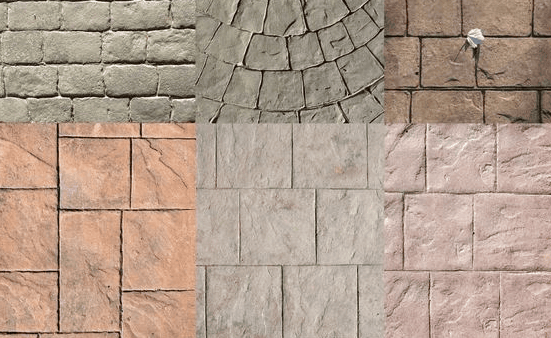
Stamped concrete uses patterned tools pressed into the surface while the concrete is still workable. It can be made to resemble brick, slate, or stone. Color hardeners and release agents are applied during the process, and concrete sealing is done after curing to protect the surface and bring out the color. This finish is popular in areas like Mountain Brook and Greystone where appearance matters alongside function. Keep in mind that stamped surfaces require more planning and care during placement, since timing and weather conditions affect how the stamps set.
Matching the Finish to the Function of the Space
Birmingham's humidity and temperature swings play a real role in how a finish holds up. Under ACI 305 guidelines, hot weather placement requires close attention to surface leveling and curing to avoid premature drying that leads to cracking or a weak top layer. We factor in the intended use, foot or vehicle traffic, drainage needs, and local soil conditions like Alabama Red Clay when recommending a finish. A garage slab in Hoover has different demands than a decorative patio in Cahaba Heights, and we treat them accordingly.
Choosing the right finish is really the last step in a longer process. Once the surface is complete, the work that went into the mix design, the base preparation, and the curing process is what determines how long it holds up. That foundation of good practice is what we turn to next.
What Makes a Concrete Job Last
We have seen plenty of concrete slabs around Birmingham fail well before they should. Most of the time, the problem starts long before the first truck arrives. After more than 20 years pouring concrete and over a decade working specifically in the Birmingham area, we know that a slab's lifespan comes down to three things: how the ground is prepared, how the concrete is mixed and placed, and how the surface is finished and cured.
How Proper Prep Work Affects Long-Term Durability
Birmingham sits on some challenging soil. Alabama Red Clay and expansive clay soils are common throughout Jefferson County, from Hoover and Vestavia Hills down through Bessemer and into the Cahaba Heights area. These soils shift and swell with moisture changes, which puts stress on concrete from underneath. Before we pour anything, we dig out soft subgrade, bring in a proper granular base or compactable fill, and compact it in lifts using a plate compactor. We also check soil bearing capacity, because placing a 4000 psi slab on unstable ground defeats the purpose entirely.
Formwork installation has to be straight and well-staked. A form that shifts during the pour throws off your slope, your thickness, and your joint placement down the road. We also install a 10 mil vapor barrier under interior slabs to protect against moisture migration, which is especially important in Birmingham's humid climate.
Concrete reinforcement is another piece that gets skipped or undersized more than it should be. Depending on the load requirements, we use rebar, welded wire reinforcement, or polypropylene fibers to help control cracking and add tensile strength the concrete alone cannot provide.
Why the Pour Timing and Mix Design Matter
The weather effects on concrete performance are real, and Birmingham's summers make this especially important. When temperatures climb above 90 degrees, concrete sets faster than you can work it, which leads to finishing problems and surface cracking. We follow ACI 305 guidelines for hot weather placement and monitor concrete temperature at the truck using a temperature gauge to keep placement within a safe range. In cooler months, we follow ACI 306 to make sure the slab does not freeze before it gains early strength.
Mix design also plays a direct role in durability. We typically pour residential driveways and patios at 4000 psi using Type I/II Portland cement, and we adjust the water-cement ratio to around 0.45 or lower to keep the mix strong without adding excess water that weakens the finished slab. Concrete pumping with a line pump or boom pump lets us place the mix precisely without overworking it to get it into position, which matters more than most people realize.
We test each load using a slump cone and air meter to make sure it meets the spec before it goes down. Cutting corners on the mix or skipping testing is how you end up with a slab that looks fine for a year and then starts to scale or crack apart.
How Finishing Quality Reduces Surface Defects Over Time
Once the concrete is down and screeded flat using a vibrating screed or laser screed, the real finishing work begins. Troweling methods affect the density and smoothness of the surface. We use a bull float first to knock down high spots and close the surface, then follow up with a walk-behind or ride-on power trowel depending on the slab size. Timing is critical here. Finishing too early traps bleed water and weakens the top layer. Finishing too late means the surface is already too hard to work properly.
Surface leveling, edging, and groover work for control joints all happen in this window. We space joints based on slab thickness and mix design to give the concrete predictable places to relieve stress rather than cracking randomly. For a 4 inch slab, that generally means control joints every 8 to 10 feet in each direction.
After finishing, proper curing processes are what lock in the strength you paid for. We apply an ASTM C309 curing compound or use polyethylene sheeting to slow moisture loss and let the slab reach its 28-day compressive strength without drying out too fast. Skipping this step is one of the most common mistakes we see on jobs where someone tried to save time or money at the end.
For properties where appearance matters, we can also discuss decorative concrete options and concrete sealing to protect the surface and give it a finished look that holds up to Birmingham weather year after year. When you are ready to talk through the details of your project, we make that process straightforward from the first conversation.
Working With Us on Your Concrete Project
How We Handle the Full Process From Start to Finish
When you hire us for a concrete project, we take care of every step so you do not have to coordinate multiple crews or guess what comes next. We start with slab preparation, which means checking the soil conditions under your site. Birmingham sits on a mix of soils, including Alabama Red Clay and other shrink-swell soils that can shift over time. We account for that before we ever pour. From there, we handle formwork installation, place the right reinforcement for your load needs, and manage the pour from start to finish. Depending on your site, we may use a concrete pump truck to reach tight spots or areas far from the street. Once the concrete is placed, we move through surface leveling, troweling methods, and joint placement to give you a finished surface that looks right and holds up over time.
What to Expect When You Contact Us for an Estimate
When you reach out to us, we keep things straightforward. We will ask about your project type, location, and timeline so we can give you an honest assessment. We work across Birmingham and surrounding areas, including Hoover, Vestavia Hills, Trussville, and Homewood, among others. During our walkthrough, we look at drainage, slope, and access so nothing surprises us on pour day. We also talk through finish options, including decorative concrete if that fits your goals. You will know what materials we plan to use, what the process looks like, and how long the work should take before anything starts.
Our Experience Pouring and Finishing Concrete in Birmingham, AL
We bring over 20 years of combined experience pouring and finishing concrete, with more than 10 years working specifically in Birmingham. That local experience matters because weather effects on concrete are real here. Hot, humid summers affect how fast concrete sets, and we plan our pours accordingly to stay within safe placement temperature ranges. We follow solid curing processes to help your slab reach its full strength over time. Whether you need a driveway, patio, sidewalk, or a structural slab, we have poured them all across this area. We understand the soil, the climate, and the expectations that come with working in neighborhoods throughout Jefferson County.
If you are ready to move forward or just want to talk through your options, we are here to help you figure out the right path for your project.
Why Hiring the Right Concrete Contractor in Birmingham, AL Makes All the Difference
Why getting the pour and finish right matters for your property
Once you have a clear plan in place and we are aligned on your project goals, the next step is making sure the work gets done right from the ground up. Concrete that is poured and finished correctly will serve your property for decades. Concrete that is not done right can crack, settle, or deteriorate far sooner than it should, and repairs or replacement will cost you more in the long run.
Birmingham's soil conditions, including Alabama Red Clay and shrink-swell soils found throughout Jefferson County, can be hard on concrete if the subgrade is not properly prepared. Add in the heat and humidity of Alabama summers, and you have real challenges that affect curing processes, surface leveling, and long-term slab performance. We know how to work in these conditions because we have been doing it here for over 10 years.
Here is what you get when you work with us:
- A strong, durable surface built to hold up under heavy daily use
- Proper slab preparation and subgrade work to prevent settling and cracking
- Accurate joint placement to control where the concrete naturally wants to crack
- Concrete mixed and placed to meet the strength your project requires, whether that is 3000 psi for a standard driveway or 4000 psi for a heavier load-bearing slab
- Skilled troweling methods and finishing techniques for a smooth, professional surface
- Proper curing to help your slab reach its full 28-day compressive strength
- Options for decorative concrete finishes that match your property's look
- Weather-aware scheduling that accounts for Birmingham's temperature swings and humidity levels
- Concrete work that improves curb appeal and adds long-term value to your property
- Over 20 years of combined experience pouring and finishing concrete the right way
- Licensed and insured work that protects you from liability on the job
- Service across Birmingham and surrounding areas including Hoover, Vestavia Hills, Homewood, Trussville, and beyond
How to get started with us on your concrete project in Birmingham, AL
Whether you are planning a new driveway in Mountain Brook, a patio in Cahaba Heights, a sidewalk near Five Points South, or a slab for a light commercial project off US Highway 280, we are ready to help you move forward. We handle everything from formwork installation and concrete reinforcement to finishing and sealing, so you get a complete result you can count on.
Getting started is simple. Fill out the free quote form below or give us a call, and we will get back to you to talk through your project, your timeline, and what it will take to get the job done right.
Birmingham AL Concrete
3301 Lorna Rd
Birmingham, AL 35216
Business Hours
| Mon | 7:00 AM – 10:00 PM |
| Tue | 7:00 AM – 10:00 PM |
| Wed | 7:00 AM – 10:00 PM |
| Thu | 7:00 AM – 10:00 PM |
| Fri | 7:00 AM – 10:00 PM |
| Sat | 7:00 AM – 10:00 PM |
| Sun | 7:00 AM – 10:00 PM |