Concrete Repair in Birmingham
Skilled Concrete Repair Contractors In Birmingham
We serve Birmingham, AL and the surrounding areas for concrete repair
We provide concrete repair services Birmingham homeowners and property owners can count on throughout the metro area and surrounding communities. Our crew works across Jefferson County and Shelby County, including areas like Hoover, Vestavia Hills, Mountain Brook, Homewood, Trussville, and Pelham. Whether you are near Highway 280, off Interstate 65, or tucked into a neighborhood like Avondale or Cahaba Heights, we can get to you. We respond quickly and work around your schedule to keep downtime as short as possible.
Common concrete problems homeowners face and why repair matters
Cracked driveways, uneven sidewalks, spalling patios, and sinking slabs are some of the most common problems we see across Birmingham. What starts as a small surface crack can let water in, weaken the base underneath, and turn into a much bigger repair job over time. Concrete patching and crack sealing done early can save you from needing a full replacement later. Beyond the cost, damaged concrete creates real safety risks. A lifted slab edge or a crumbling step can cause a trip and fall, especially for kids and older adults. Keeping your concrete in good shape protects your family and helps maintain the value and appearance of your property.
Local knowledge: Birmingham soil, weather, and how they affect your concrete
Birmingham sits on a mix of red clay, expansive soil, and areas with limestone bedrock running beneath parts of the metro. That combination causes concrete to move, crack, and settle in ways that are specific to this region. The clay-heavy soil around neighborhoods like Norwood and Roebuck expands when it gets wet and shrinks when it dries out. That constant movement puts stress on slabs, foundations, and flatwork year after year. On top of that, Birmingham sees hot summers, heavy seasonal rain, and occasional freezes in winter. That kind of weather cycle speeds up surface deterioration and joint damage. With over 20 years of combined concrete experience and more than 10 years working specifically in the Birmingham area, we understand how these conditions affect your concrete and what it takes to fix it the right way so the repair actually holds.
Frequently asked questions about concrete repair in Birmingham, AL
How do I know if my concrete needs repair or full replacement? Not all damaged concrete needs to be torn out. Surface cracks, minor spalling, and uneven slabs can often be addressed through concrete restoration methods like slab lifting, polyurethane foam injection, or a cementitious overlay. We look at the extent of the damage, the condition underneath, and what caused the problem before recommending anything. How long does a concrete repair take? Most repairs can be completed in a single day, and many surfaces can be used again within 24 to 48 hours depending on the materials used. Is concrete repair cheaper than replacement? In most cases, yes. Repairing an existing surface costs significantly less than removing and pouring new concrete, especially when the underlying structure is still sound. Do I need a permit for concrete repairs in Birmingham? Minor surface repairs typically do not require a permit, but larger projects involving foundation repair or structural work may need approval through the City of Birmingham Building Permits Office or the Jefferson County Building Permits Department. We can help you figure out what applies to your situation. Understanding what type of repair your concrete actually needs is a good place to start, which is exactly what we will cover next.

What Is Concrete Repair
Definition of Concrete Repair and What It Covers
Concrete repair is the process of fixing damaged, deteriorating, or unsafe concrete surfaces so they can function properly again. It covers a wide range of work, from crack sealing and concrete patching to slab lifting, joint repair, and waterproofing concrete. Depending on the condition of the surface, repair might also include concrete resurfacing with a cementitious overlay or epoxy mortar to restore both strength and appearance. Whether the issue is a cracked driveway in Homewood, a sunken patio near the UAB Campus area, or a deteriorating sidewalk in Avondale, concrete repair addresses the specific problem rather than tearing out and replacing the entire surface.
Difference Between Concrete Repair and Full Concrete Replacement
Repair focuses on restoring the existing concrete, while replacement means removing the old slab and pouring new material. With over 20 years of combined experience pouring concrete, we know that replacement is not always necessary. Methods like polyurethane foam injection for slab lifting, epoxy injection for structural cracks, and concrete restoration treatments can extend the life of a slab significantly. Full replacement makes sense when the concrete is too far gone, but in many cases, targeted surface repairs cost less and take less time to complete.
When Repair Is the Right Choice Over Replacement
Repair is usually the better option when the damage is limited to specific areas, the base beneath the slab is still stable, or the concrete has not lost its structural integrity. Here in Birmingham, we deal with red clay and expansive soil conditions that can cause settling and cracking over time. If we can address the root cause, whether that involves concrete maintenance, joint repair, or treating water intrusion through waterproofing concrete methods, the existing slab can often be saved. Understanding what type of damage you are dealing with is the first step, and that brings us to the most common types of concrete damage we see across Birmingham.
Common Types of Concrete Damage We See in Birmingham
Over our 20-plus years of working with concrete, and more than a decade serving Birmingham specifically, we have seen just about every kind of concrete damage there is. The combination of Alabama red clay, seasonal moisture swings, and hot summers puts a lot of stress on concrete surfaces. Below are the most common problems we run into across neighborhoods like Homewood, Avondale, Vestavia Hills, and beyond.
Cracks in Driveways, Sidewalks, and Slabs
Cracking is the most common concrete problem we see. Small cracks can form from normal shrinkage, but in Birmingham, expansive soil and Piedmont soil movement are frequent causes of more serious cracking. Left alone, water gets into those cracks, freezes during cold snaps, and widens the damage over time. Depending on the size and cause, we may use crack sealing or epoxy injection to stabilize the crack and stop it from spreading.
Spalling and Surface Deterioration
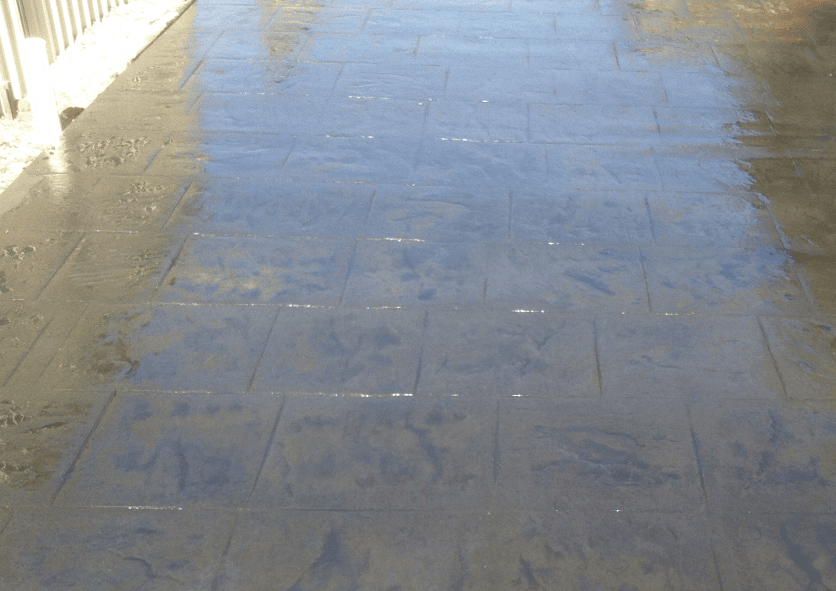
Spalling happens when the surface of the concrete flakes, chips, or peels away. This often comes from water intrusion, poor finishing during the original pour, or deicers used in winter. Once spalling starts, it tends to spread. Concrete resurfacing or a cementitious overlay can restore the surface without tearing everything out, which is usually a much more practical fix.
Settling and Sunken Concrete
Settling happens when the soil underneath a slab shifts or washes away, leaving the concrete without solid support. In areas near Village Creek or Five Mile Creek, poor drainage and soil erosion are common culprits. We often use polyurethane foam for slab lifting in these situations. It is injected beneath the slab to fill voids and bring the surface back to its original position, usually with minimal disruption to your property.
Uneven or Raised Surfaces That Create Trip Hazards
Tree roots, soil movement, and frost heave can all push concrete slabs upward unevenly. This is a safety issue, especially on sidewalks near schools in the Jefferson County School System or walkways around commercial properties. Rising concrete is one of the more straightforward problems we fix, and in many cases, slab lifting solves it without requiring a full replacement.
Damage to Steps, Edges, and Corners
Steps, edges, and corners take a lot of impact and wear down faster than flat surfaces. Broken step edges are both an eyesore and a safety concern. Concrete patching with the right repair material, mixed and applied properly, brings these areas back to a functional and clean condition. We follow standards like ASTM C928 when selecting fast-setting repair materials to make sure the patch holds up long-term.
Water Damage and Erosion Underneath Slabs
Sometimes the visible damage on top of a slab is only part of the problem. Water moving underneath can wash away the base material and leave hollow spots. Without waterproofing concrete measures and proper joint repair, that erosion continues. We use ground-penetrating radar when needed to check what is happening below the surface before deciding on the right repair approach.
These problems show up on all kinds of surfaces around Birmingham, and the right repair method depends on what type of surface is involved and what caused the damage in the first place. That brings us to the specific concrete surfaces we repair.
A few years back, we got a call from a homeowner over in Hoover who had a serious problem with her driveway. What looked like a few small cracks on the surface turned out to be a much bigger issue once we got started. Birmingham's clay-heavy soil is well known for shifting and swelling with the seasons, and this driveway had taken the full force of that movement over many years.
When we removed the damaged sections, we found that the ground underneath had settled unevenly in several spots. The existing concrete had essentially lost its support. If we had simply patched the surface like some contractors might do, the repair would have cracked again within a year or two. That is the kind of shortcut that wastes your money and your time.
We took the extra step of addressing the soil underneath first. We brought in compacted fill material, gave it proper time to settle, and then rebuilt the base layer before pouring the new concrete. It added a day to the project, and we were upfront with the homeowner about why that mattered for the long-term result.
That job taught us something we carry into every concrete repair we do now. What you see on the surface rarely tells the whole story. With over 20 years of combined experience pouring concrete and more than 10 years working right here in the Birmingham area, we have learned to look deeper before we ever mix a single batch. That approach is how we make sure the work we do for you actually holds up over time.
Concrete Surfaces We Repair
Over the years, we have worked on concrete surfaces of all types across Birmingham neighborhoods like Homewood, Vestavia Hills, Mountain Brook, and Hoover. Birmingham's red clay soils and shifting moisture levels put real stress on concrete, and we understand how those local conditions lead to the kind of damage we see every day. Whether you are dealing with surface cracks, settled slabs, or something more serious, we can help you figure out the right repair approach.
Driveway Repair
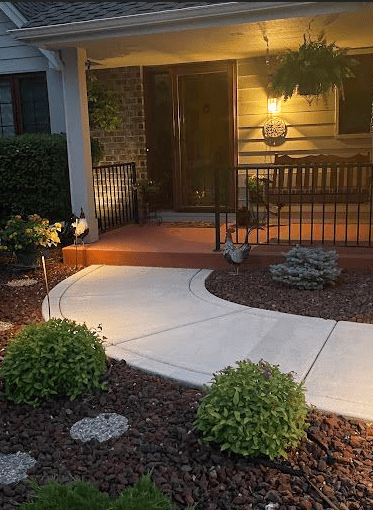
Your driveway takes a lot of punishment from vehicle traffic, weather, and the expansive soil common throughout the Birmingham area. We handle everything from crack sealing and concrete patching to slab lifting on driveways that have started to settle or heave. Catching problems early can save you from a much more expensive replacement down the road.
Sidewalk and Walkway Repair
Uneven or cracked sidewalks are a trip hazard, plain and simple. We repair settled panels, broken edges, and surface damage on walkways around your home or business. In many cases, we can lift and stabilize a sunken panel using polyurethane foam rather than tearing out and replacing the whole section, which keeps your downtime short.
Patio Repair
Patios see a lot of exposure to Birmingham's heat, rain, and humidity, which can lead to spalling, cracking, and joint breakdown over time. We assess the condition of your patio surface and recommend the right fix, whether that means concrete resurfacing with a cementitious overlay, joint repair, or waterproofing concrete to slow future deterioration.
Foundation Repair and Slab Repair
Foundation issues are something we take seriously. The combination of limestone bedrock, red clay, and seasonal moisture changes in the Birmingham region can cause slabs to crack, settle, or shift in ways that affect the structure above them. We follow established guidelines, including those outlined in ACI 546R, to assess and repair foundation and slab damage correctly. In some cases, epoxy injection is the right tool for stabilizing structural cracks before they spread further.
Concrete Steps and Staircase Repair
Chipped, cracked, or settling steps are both a safety concern and an eyesore. We repair broken edges, surface spalling, and structural cracking on exterior and interior steps. Depending on the condition, we may use epoxy mortar or concrete patching materials that meet ASTM C928 standards to restore the step to a safe, solid state.
Garage Floor Repair
Garage floors deal with oil, moisture, freeze-thaw cycles, and heavy loads. We repair cracked and spalled garage floors and can apply surface repairs or a concrete overlay to restore both function and appearance. If your garage floor has low spots or joint damage, we address those as well so the finished surface holds up the way it should.
No matter which surface you need repaired, our process starts the same way: a close look at what is actually happening beneath the surface. That diagnostic step is what separates a repair that lasts from one that fails in a season or two, and it is exactly where our process begins.
Our Concrete Repair Process
When you reach out to us about damaged concrete, we follow a clear and consistent process from start to finish. With over 20 years of combined experience pouring and repairing concrete, and more than 10 years working right here in Birmingham, we know what it takes to get lasting results in this area.
Inspection and Damage Assessment
Before we touch anything, we take a close look at the damaged area. We check for cracks, spalling, settling, and joint separation. Birmingham's red clay and expansive soil conditions can cause concrete to move and shift in ways that are not always obvious on the surface. We look at what is underneath the problem, not just the damage you can see. This step helps us understand whether you are dealing with a surface issue or something deeper, like soil movement or water intrusion beneath the slab.
Choosing the Right Repair Method for Your Situation
Not every crack or damaged surface calls for the same fix. Depending on what we find, we may recommend crack sealing, epoxy injection, slab lifting using polyurethane foam, joint repair, or concrete resurfacing. For more serious structural concerns, foundation repair may be the right path. We match the method to the actual problem so the repair holds up over time rather than failing within a season or two.
Surface Preparation Before Repair Begins
Good concrete repair starts with proper prep work. We clean the surface, remove loose or deteriorated material, and make sure the area is ready to bond correctly with the repair material. Skipping this step is one of the most common reasons DIY repairs fail quickly. We follow preparation standards that help repair materials bond at a tensile bond strength that keeps the patch from separating later.
Applying the Repair Material and Finishing the Surface
Once the surface is ready, we apply the appropriate repair material for your specific situation. This might be a cementitious overlay, epoxy mortar, polyurethane injection resin, or another product suited to the damage type and location. We work carefully to match the finish of the surrounding concrete as closely as possible, whether that surface is a driveway in Homewood, a sidewalk near the UAB Campus, or a patio in Vestavia Hills.
Curing Time and What to Expect After the Repair
After the repair is complete, the material needs time to cure properly. Depending on the product used and the weather conditions, this can range from a few hours to a couple of days. Birmingham summers bring heat and humidity that can affect curing, so we time our work carefully and give you clear guidance on when the surface will be ready to use again. Rushing this step can compromise the repair, so we always let the material cure on its schedule.
A repair done correctly addresses the root cause and leaves the surface in a condition that is safer, more functional, and better looking than before. That leads directly into why repairing your concrete is often the smartest and most practical decision you can make for your property.
Benefits of Repairing Your Concrete
When concrete starts showing cracks, spalling, or uneven surfaces, it can be tempting to put off repairs. But addressing damage early almost always leads to better outcomes and lower costs. We have seen firsthand, after more than 20 years of combined experience pouring and repairing concrete across Birmingham, that a timely repair almost always outperforms waiting until the damage gets worse.
Extending the Life of Your Existing Concrete
Concrete maintenance is one of the simplest ways to get more years out of a surface you already have. Through proper concrete restoration techniques, including crack sealing, joint repair, and surface repairs, we can stabilize a slab and keep it performing well for years. Birmingham's red clay soil and seasonal moisture changes put real stress on concrete over time, and staying ahead of that wear makes a noticeable difference in how long a slab lasts.
Preventing Small Problems from Turning Into Costly Damage
A hairline crack today can become a serious structural issue if water gets in and the freeze-thaw cycle does its work. Waterproofing concrete after a repair helps block that moisture path before it causes deeper damage. Techniques like epoxy injection and polyurethane foam filling address cracks from the inside out, which helps prevent the problem from coming back. Catching these issues early is almost always less expensive than replacing a full slab later.
Improving Safety on Your Property
Uneven concrete is one of the most common trip hazards on residential and commercial properties. Slab lifting and concrete patching can level out settled surfaces and repair broken edges. Whether the issue is a raised sidewalk near Avondale or an uneven driveway in Homewood, fixing it reduces the risk of injury and keeps your property in line with basic safety standards.
Protecting Your Property Value and Curb Appeal
Cracked or deteriorating concrete affects how a property looks and how buyers or visitors perceive it. Concrete resurfacing and concrete overlay applications can restore the appearance of driveways, patios, and walkways without requiring a full tear-out. A well-maintained surface near areas like Vestavia Hills or Mountain Brook Village signals that a property has been cared for, which matters when it comes to resale value.
Saving Money Compared to Full Replacement
In many cases, targeted repairs cost significantly less than removing and replacing an entire slab. Foundation repair, rising concrete correction, and surface-level patching can all be done with the right materials and methods at a fraction of replacement costs. How much you can expect to spend on these services in the Birmingham area is worth looking at more closely.
Get It Done Right the First Time
We are a concrete contractor based right here in Birmingham, AL. Our team has over 20 years of combined experience pouring concrete, and we have spent more than 10 years working specifically in the Birmingham area. That means we know the local soil conditions, the weather patterns that affect how concrete cures, and the building standards that apply to projects in this region.
Concrete work is not something you want to redo. When it is done right the first time, it holds up for decades. When it is not, you end up with cracks, settling, and repairs that cost more than the original job. We take the time to do things correctly from the start, whether we are working on a driveway, a patio, a foundation, or a commercial slab.
Over the years, we have worked on projects across Birmingham and the surrounding communities, including Hoover, Vestavia Hills, Homewood, and Trussville. We understand what works in this area and what does not. The red clay soil common throughout Jefferson County, for example, requires careful ground preparation before any concrete is poured. These are the kinds of details that come from real experience, not just reading a manual.
When you reach out to us, you are talking directly with the people who will show up and do the work. We keep things straightforward, give you honest assessments, and make sure you understand what the job involves before anything gets started.
How Much Does Concrete Repair Cost in Birmingham, AL
Concrete repair costs in Birmingham vary quite a bit depending on what needs to be fixed and how bad the damage is. With over 20 years of combined experience pouring and repairing concrete, and more than 10 years working right here in the Birmingham area, we have a solid understanding of what repairs typically cost and what drives those numbers up or down.
Factors That Affect the Cost of Concrete Repair
Several things influence what you will pay for concrete repair. The size of the damaged area is one of the biggest factors. A small concrete patching job on a cracked sidewalk costs far less than repairing a large settling driveway or a damaged foundation slab.
The type of repair also plays a major role. Crack sealing, epoxy injection, slab lifting using polyurethane foam, and surface repairs all require different materials and labor. Birmingham's red clay and expansive Piedmont soil can cause concrete to shift, settle, or heave over time, which sometimes means the repair is more involved than it looks on the surface. Water intrusion, drainage problems near areas like Village Creek or Five Mile Creek, and soil movement beneath the slab can all add to the scope of work.
Material quality matters too. We use products that meet recognized standards, which helps repairs last longer and hold up through Birmingham's wet winters and hot summers.
Average Price Ranges for Common Repair Jobs in Birmingham
While every job is different, here are some general ranges you can expect for common concrete repair work in the Birmingham area:
- Crack sealing and joint repair: roughly $3 to $8 per linear foot depending on crack width and depth
- Concrete patching for surface damage or spalling: typically $3 to $10 per square foot
- Slab lifting and concrete restoration using polyurethane foam: often $500 to $1,500 depending on the number of voids and the size of the slab
- Concrete resurfacing with a cementitious overlay: generally $3 to $7 per square foot
- Foundation repair: pricing varies widely based on the extent of settling or cracking, but minor repairs can start around $500 and grow from there
- Waterproofing concrete surfaces: typically $2 to $6 per square foot depending on the method used
These are general figures based on our local experience working in neighborhoods like Homewood, Vestavia Hills, Mountain Brook, and Hoover. Your actual cost depends on site conditions, access, and what the repair actually requires.
Why Getting an On-Site Estimate Matters
Photos and descriptions only tell part of the story. When we come out to look at your concrete in person, we can check for things that are not always visible right away, such as soil movement beneath the slab, moisture problems, or damage that goes deeper than the surface. Skipping this step is one of the main reasons DIY repairs and low-bid jobs fail early.
An accurate on-site estimate also means you are not surprised by extra costs later. We take time to understand the full scope of the problem before we recommend a repair method or give you a number. That approach comes from years of working with homeowners and property managers across Jefferson County and the surrounding communities.
Once you have a clear picture of what the repair involves and what it will cost, the next question most people have is who to trust with the work.
Why Work With Us for Concrete Repair in Birmingham
When your driveway starts cracking, your sidewalk settles unevenly, or your patio begins to show signs of wear, you want a contractor who can give you a straight answer and a repair that holds up. We have spent over 20 years working with concrete and more than 10 years serving homeowners and property owners across Birmingham. That combination of hands-on experience and local knowledge makes a real difference in how we approach every job.
Our Experience Pouring and Repairing Concrete
We have worked on nearly every type of concrete surface, from foundations and slabs to driveways, steps, sidewalks, and patios. Over the years, we have handled everything from basic concrete patching and crack sealing to more involved work like slab lifting, joint repair, and surface repairs on heavily worn concrete. We are familiar with repair standards like ACI 546R and materials such as epoxy mortar, polyurethane foam, and cementitious overlays. That background helps us match the right solution to your specific situation rather than applying a one-size-fits-all fix.
What It Means to Work With a Contractor Who Knows Birmingham
Birmingham's soil conditions present real challenges for concrete. The red clay and expansive soil found throughout Jefferson County shift with moisture changes, and that movement is one of the most common reasons concrete cracks or settles. Areas near the Cahaba River and Village Creek can also see drainage issues that affect how long a repair lasts. We have worked in neighborhoods from Homewood and Mountain Brook to Irondale and Trussville, and we understand how local conditions affect concrete performance. That local experience shapes how we prep the surface, choose our materials, and plan for long-term durability.
How We Approach Every Repair Job
We start with a proper assessment. Whether you have rising concrete, a spalling surface that needs concrete resurfacing, or a foundation showing signs of stress, we look at the root cause before recommending a repair method. Covering up damage without fixing the underlying problem leads to callbacks and wasted money. We use that assessment to guide decisions on concrete restoration methods, waterproofing concrete where drainage is a concern, and surface prep that meets the standards the repair material requires. You get a clear explanation of what we found and what we plan to do before any work begins, so there are no surprises along the way.
From the first look at your concrete to the finished repair, our goal is to do the job right the first time. The sections below will bring everything together and help you take the next step toward getting your concrete back in good shape.
Get Your Concrete Repaired the Right Way in Birmingham
Why Acting Now Saves You Money and Headaches Later
Concrete damage rarely stays the same. A small crack in your driveway in Homewood or a slightly uneven sidewalk in Mountain Brook can grow into a much bigger problem if you leave it alone. Birmingham's red clay soil shifts with moisture changes, and our wet summers followed by dry spells put real stress on concrete surfaces year after year. The longer you wait, the more that damage spreads, and what could have been a simple concrete patching job can turn into a full replacement.
Staying on top of concrete maintenance is one of the most practical things you can do to protect your property. Here is a quick look at what you get when you take care of repairs sooner rather than later:
- You stop small cracks from turning into large structural problems
- You eliminate trip hazards on driveways, walkways, patios, and steps
- You protect your property value and keep your home looking its best
- You reduce the risk of water getting under your slab and causing erosion or settling
- You avoid the much higher cost of tearing out and replacing concrete entirely
- You keep your surfaces functional and safe for your family and visitors
How to Reach Us for a Concrete Repair Estimate in Birmingham, AL
We have spent over 20 years pouring and repairing concrete, with more than 10 of those years working right here in Birmingham and the surrounding communities. Whether you are dealing with rising concrete, foundation concerns, surface cracks, or worn-out slabs near areas like Vestavia Hills, Trussville, or anywhere along Highway 280, we know what it takes to do the job right the first time. We understand the local soil conditions, the weather patterns, and the repair methods that hold up in this part of Alabama.
When you work with us, you get:
- An honest assessment of what is causing the damage, not just a surface fix
- Repair methods and materials suited to Birmingham's specific conditions
- Workmanship backed by over two decades of combined hands-on experience
- A team that stands behind the work we do
- Repairs that are built to last, whether that means crack sealing, slab lifting, concrete resurfacing, or waterproofing concrete
If you are ready to find out what it will take to fix your concrete, we are ready to help. Fill out the contact form below or give us a call to get your free repair estimate today.
Birmingham AL Concrete
3301 Lorna Rd
Birmingham, AL 35216
Business Hours
| Mon | 7:00 AM – 10:00 PM |
| Tue | 7:00 AM – 10:00 PM |
| Wed | 7:00 AM – 10:00 PM |
| Thu | 7:00 AM – 10:00 PM |
| Fri | 7:00 AM – 10:00 PM |
| Sat | 7:00 AM – 10:00 PM |
| Sun | 7:00 AM – 10:00 PM |