Concrete Resurfacing in Birmingham
Fix Worn Concrete With Resurfacing in Birmingham
We Serve Birmingham, AL and Surrounding Areas
We provide concrete resurfacing services throughout Birmingham, AL and the surrounding communities. Whether your property is in Homewood, Vestavia Hills, Hoover, Trussville, or out toward Bessemer, we work across Jefferson County and the greater Birmingham metro area. With over 10 years working right here in the Birmingham market and more than 20 years of combined experience in concrete finishing and repair, we are familiar with the neighborhoods, the soil conditions, and the kind of wear that concrete takes in this part of Alabama. If you are ready to move forward or just want to talk through your options, we can typically get out to take a look at your surface within a short time frame.
The Problem With Worn or Damaged Concrete Surfaces
Concrete that looks rough, stained, or cracked does more than hurt the look of your property. It can create tripping hazards, let moisture work its way in deeper, and get worse over time if nothing is done. A lot of homeowners in Birmingham are dealing with driveways that have started to flake, patios that are showing their age, or pool decks that have lost their finish. Replacing the whole slab sounds like the obvious fix, but it is often far more disruptive and expensive than it needs to be. In many cases, concrete repair and resurfacing can restore the surface for a fraction of what a full tear-out would cost, and the results can last for many years when the work is done correctly.
What We Know About Concrete in Birmingham
Birmingham sits on a mix of limestone substrate, shale bedrock, and the kind of expansive clay soils that are common throughout the region. Alabama red clay shrink-swell is a real issue here. When the soil moves with moisture changes, it puts stress on concrete slabs from underneath. That is one reason why we see so much surface cracking and settling in neighborhoods like Avondale, Irondale, and out in subdivisions like Greystone and Riverchase. On top of that, Birmingham summers bring heat, humidity, and afternoon rain that can affect how resurfacing materials cure and bond. We account for all of that before we start any job. Knowing local conditions is not a small thing when it comes to surface preparation and getting a resurfacing system to hold up over time.
Common Questions Birmingham Homeowners Ask About Concrete Resurfacing
One of the first things people ask us is what is concrete resurfacing and whether it will actually hold up on their specific surface. That is a fair question, and we cover it in detail in the next section. People also want to know about concrete resurfacing cost, what kinds of decorative options are available, and whether their particular slab is even a good candidate for a concrete overlay rather than a full replacement. Others are curious about how long the process takes or how soon they can use the surface again after we finish. These are all things we hear regularly from homeowners across Birmingham, and we want to give you straightforward answers. The more you understand about how resurfacing works, the better position you are in to decide if it is the right move for your property.
What Is Concrete Resurfacing
If your driveway, patio, or sidewalk is looking rough but the slab underneath is still solid, concrete resurfacing may be exactly what you need. Instead of tearing everything out and starting over, we apply a new layer of material over your existing concrete. This gives the surface a fresh look and renewed strength without the cost and hassle of full replacement. For homeowners across Birmingham, from Hoover to Trussville to Vestavia Hills, it's a practical way to get more life out of concrete that still has good bones.
How Resurfacing Works
The process starts with surface preparation, which is the most important step. We clean the slab thoroughly, remove any loose or weak material, and open up the surface profile so the new layer bonds properly. Depending on the condition of the concrete, we may use a diamond grinder or shot blaster to reach a CSP 3 to CSP 5 profile, which is what most overlay systems require for a solid bond. A bonding agent or epoxy primer is then applied before the new material goes down.
From there, we apply the resurfacing material. This could be a polymer-modified topping, a cementitious overlay, or a self-leveling underlayment, depending on what the surface needs. Products from trusted manufacturers like Ardex, Mapei, and Sika are commonly used because they hold up well in Alabama's heat and humidity. After the overlay is placed and finished, a polyurethane sealer or acrylic curing compound is applied to protect the surface and help it cure correctly.
What Surfaces Can Be Resurfaced
Concrete resurfacing works on a wide range of surfaces around your property. Driveways are one of the most common projects we handle, but we also resurface patios, pool decks, garage floors, sidewalks, and walkways. Whether you want a basic broom finish or something more decorative like stamped concrete or a stained surface, the same foundational process applies. Interior floors, including basement slabs, can also benefit from floor resurfacing with options like a microtopping or a durable epoxy coating for a smooth, clean result.
How Resurfacing Differs From Concrete Replacement
Replacing concrete means breaking up the old slab, hauling it away, and pouring brand new concrete from scratch. That process takes more time, creates more disruption on your property, and costs significantly more. Resurfacing, by contrast, works with what's already there. A concrete overlay at around 3/16 inch thickness can restore the surface without any of that upheaval. That said, resurfacing is not the right fit for every situation. If the slab has major structural problems, deep settling, or severe moisture issues underneath, replacement may be necessary. We always inspect the concrete first and give you an honest assessment before recommending a path forward.
If you're not sure whether your concrete is a good candidate for resurfacing, the condition of the surface itself is usually a telling sign.
Signs Your Concrete Needs Resurfacing
If you have a driveway, patio, pool deck, or sidewalk that's seen better days, resurfacing might be exactly what it needs. Before we get into how the process works, it helps to know what to look for. Here are the most common signs that your concrete is ready for a fresh start.
Surface Cracks and Spalling
Small cracks and flaking on the surface are usually the first things homeowners notice. In Birmingham, the Alabama red clay shrink-swell soil under many slabs can put stress on concrete over time, leading to surface cracking. Crack filling and a proper concrete overlay can address this kind of damage before it works its way deeper into the slab. If you're seeing spalling, where the top layer is chipping or peeling away, that's a clear sign the surface needs attention. We always inspect for any underlying issues first, since resurfacing works best when the slab beneath is still structurally sound.
Staining and Discoloration
Oil stains, rust, mineral deposits, and years of weather exposure can leave concrete looking worn out. This is common on driveways and garage floors, especially in older neighborhoods like Homewood, Avondale, and Woodlawn where concrete surfaces have been in place for decades. Staining doesn't mean the concrete is failing, but it does affect how your property looks. In many cases, decorative concrete options like staining or stamped concrete overlays can give the surface a completely updated appearance.
Rough or Uneven Texture
Concrete that's become rough, pitted, or uneven can be a safety concern, especially for kids, older adults, or anyone walking barefoot around a pool deck. Uneven texture also makes surfaces harder to clean and maintain. Depending on the severity, floor leveling using a self-leveling underlayment or a polymer-modified topping can smooth things out and restore a safe, consistent surface. Proper surface preparation is key here to make sure any new material bonds correctly.
Worn or Faded Finish
A finish that looks dull, faded, or just plain tired is one of the most common reasons homeowners reach out to us about driveway resurfacing or patio work. UV exposure, freeze-thaw cycles, and regular use all take a toll on concrete finishing over time. The good news is that a worn finish is usually a cosmetic issue, which means resurfacing is a cost-effective fix compared to full replacement. Once you know what's going on with your surface, the next step is understanding how we actually go about fixing it.
A few years back, we got a call from a homeowner over in Hoover who wanted us to resurface their driveway and back patio. It seemed like a straightforward job at first. We showed up, took a look at the concrete, and started our prep work. That is when things got complicated.
Once we got to cleaning the surface, we found that the existing concrete had a lot more damage than it looked like from the street. There were hairline cracks running in several directions, and some areas near the garage had started to separate underneath. In Birmingham, our clay-heavy soil shifts a good bit with the wet and dry seasons we get here, and that movement had done a number on this slab over the years.
We had to stop and have an honest conversation with the homeowner. Resurfacing over unstable or cracked concrete without addressing the base problems is something we never do. It might look fine for a little while, but it will fail, and then you are right back where you started, only out more money. So we explained what we found and walked them through their options.
We ended up doing some targeted crack repair and stabilization work before we could even think about applying the resurfacing material. It added time and some cost to the project, but it also meant the finished surface would actually hold up. We have over 20 years of combined experience pouring and finishing concrete, and more than 10 of those years right here in Birmingham. That experience is what helps us catch problems early and handle them the right way before they become bigger headaches for you down the road.
When the job was done, the driveway and patio looked brand new and had a solid base under them to back it up. That homeowner has not had a single issue since. For us, that is what doing the job right really looks like.
The Concrete Resurfacing Process
Before we touch a single bag of material, we walk through a clear set of steps to make sure the resurfacing holds up long-term. Skipping any part of this process is one of the main reasons resurfacing jobs fail. Here is how we approach it on every project, whether we are working in Homewood, Vestavia Hills, or over in Trussville.
Inspecting the Existing Concrete
We start by looking closely at the full surface. We check for cracks, spalling, settling, and any soft or hollow spots. We also use an infrared moisture meter to check for moisture vapor coming up through the slab. In Birmingham, the underlying soil plays a big role here. Birmingham Red Clay and expansive clay soils common throughout Jefferson County can shift with the seasons, which sometimes leads to uneven slabs or cracks that go deeper than the surface. Catching those problems early saves a lot of trouble later. We follow ACI 546R guidelines when evaluating the condition of the existing concrete before recommending a resurfacing system.
Cleaning and Preparing the Surface
Proper surface preparation is the most important part of the whole job. If the surface is not clean and properly profiled, the new material will not bond. We use a shot blaster or diamond grinder to open up the surface and create a profile that meets CSP 3 to CSP 5 standards. Oil, grease, and old coatings get removed with a degreaser solvent, and we use a pressure washer to clear away any remaining debris. In some cases, we apply muriatic acid or a bonding agent to make sure the overlay has a solid base to grip onto. We also use a vacuum recovery system to keep the work area clean and reduce dust exposure.
Repairing Cracks and Damage Before Resurfacing
We take crack filling seriously because resurfacing over unrepaired damage is a shortcut that leads to early failure. Depending on the size and cause of the crack, we may use epoxy mortar, a polymer-modified topping, or a latex-modified concrete mix to fill and stabilize the area. For structural cracks, we follow ASTM C881 standards when selecting bonding and repair materials. We also address any low spots that could affect drainage or create tripping hazards. Getting this step right is what makes the finished surface look even and hold up over time.
Applying the Resurfacing Material
Once the surface is clean and repaired, we mix and apply the resurfacing material. The type of product depends on the project. A concrete overlay using a Portland cement overlay or fiber-reinforced overlay works well for most driveways and patios. For indoor floors or areas with moisture concerns, we may use a self-leveling underlayment or an epoxy primer system. We typically apply overlays at a 3/16 inch thickness and work quickly to maintain a consistent spread using a squeegee gauge rake. Alabama summers are hot and humid, and that affects working time, so we pay close attention to temperature and humidity during application. We do not apply resurfacing materials below 55 degrees F, which can be a factor during Birmingham winters.
Finishing and Sealing the Surface
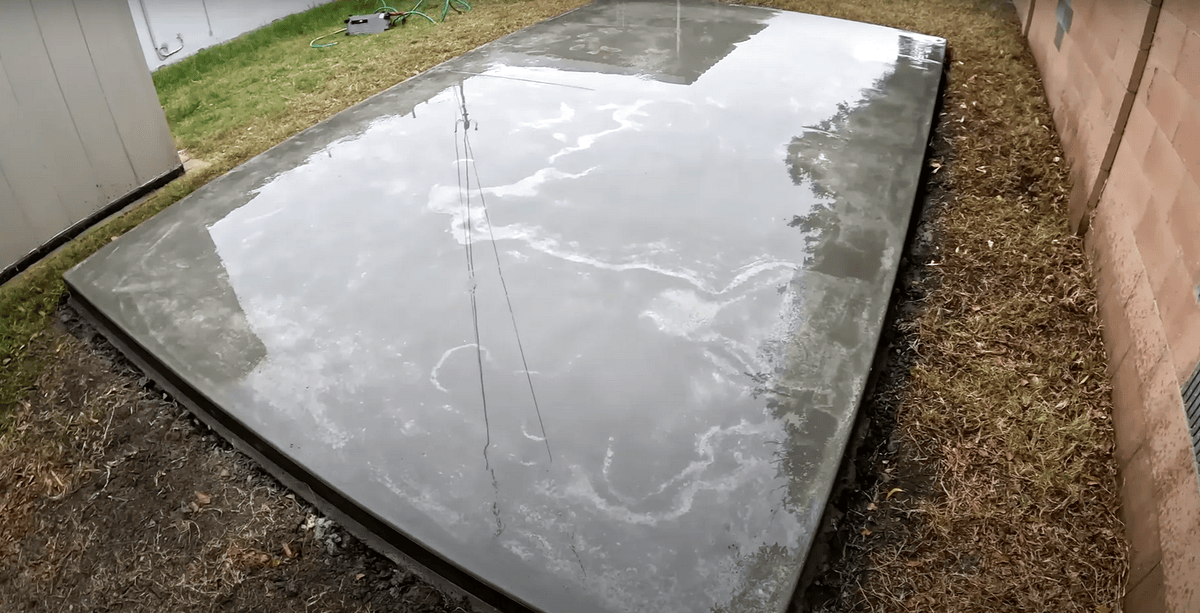
After the material is down, we focus on concrete finishing to achieve the right texture and appearance. Depending on what you want, we can create a smooth finish, a broom texture for added grip, or prepare the surface for a decorative treatment. Once the surface has cured properly, we apply a sealer to protect it from moisture, UV exposure, and wear. Options include a polyurethane sealer, acrylic curing compound, or a polyurea topcoat depending on the surface use and traffic level. A proper seal also makes the surface easier to clean and helps it hold its appearance longer.
With the resurfacing process complete, the next decision is what kind of finish you want on top. There are several options that can change the look and feel of your concrete surface in ways you might not expect.
Types of Concrete Resurfacing Finishes
When we talk about concrete resurfacing, one of the first things to figure out is what kind of finish makes sense for your surface and how you use it. There is no single right answer. The finish you choose affects how the surface looks, how long it lasts, and how safe it is to walk or drive on. Here is a breakdown of the main options we work with across Birmingham, from Hoover to Trussville and everywhere in between.
Smooth and Broom Finishes
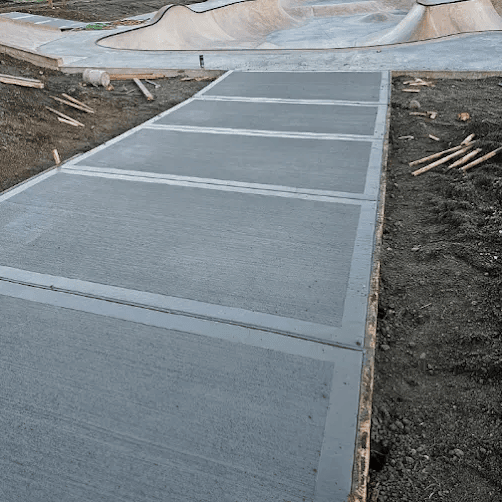
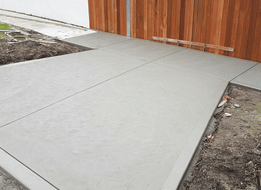
A smooth or broom finish is one of the most common results of basic concrete finishing work. After we apply a polymer-modified topping or cementitious overlay, the surface gets either troweled smooth or dragged with a broom to leave light texture lines. Broom finishes work well on driveways and sidewalks because they give the concrete a little grip without adding a decorative look. This is a straightforward option that holds up well under foot traffic and vehicle weight.
Stamped Overlays
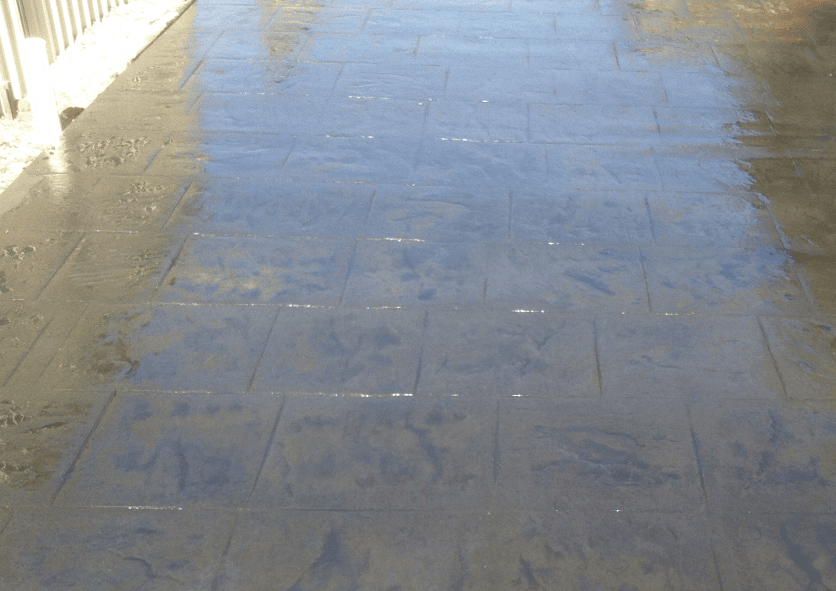
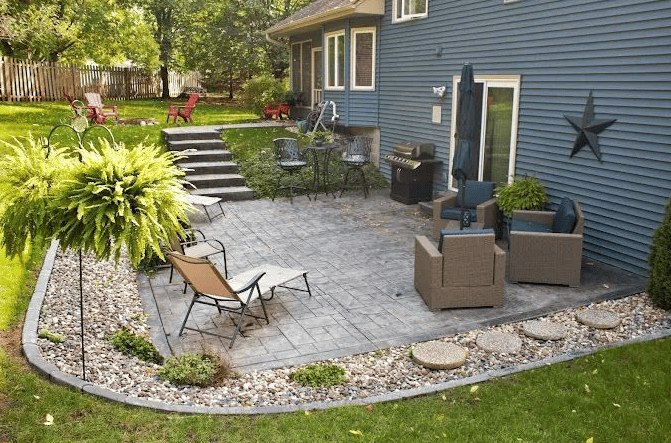
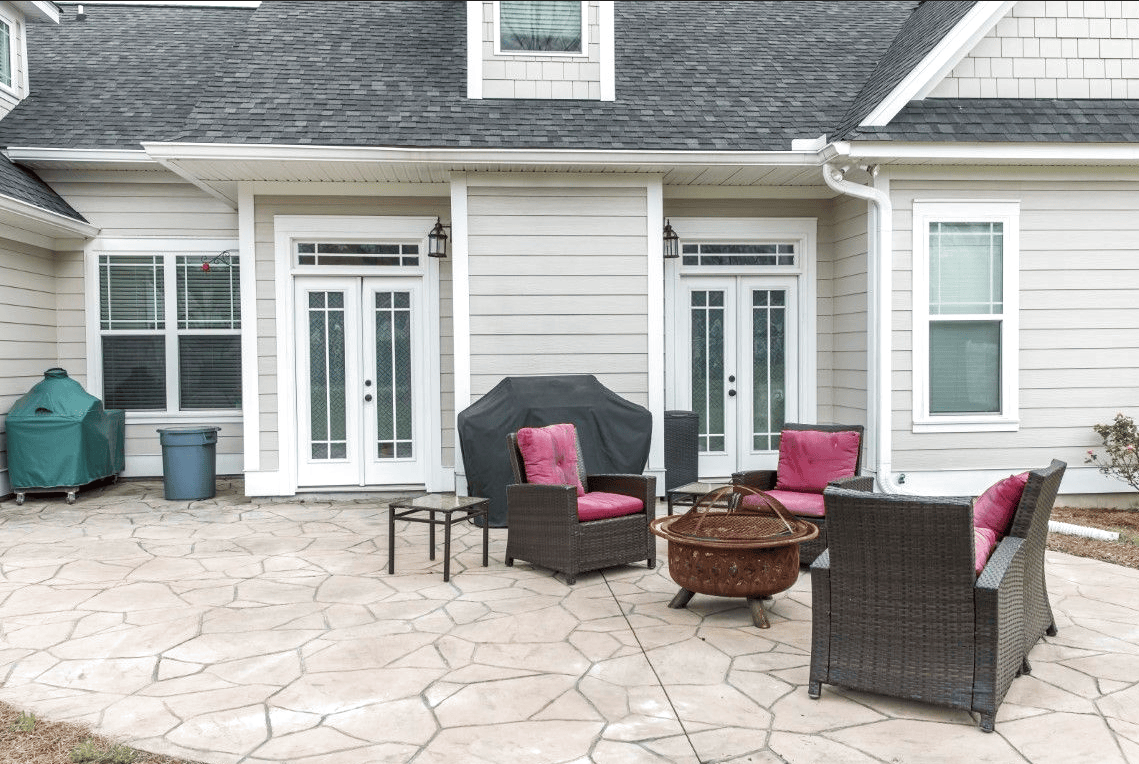
If you want your patio or driveway to look like stone, brick, or tile without paying to tear out and replace the slab, a stamped concrete overlay is worth considering. We press textured mats into a fresh overlay to create patterns in the surface. Stamped concrete works well in neighborhoods like Mountain Brook Village and Vestavia Hills where curb appeal matters. The overlay thickness typically runs around 3/16 inch, and the surface gets sealed to protect the color and pattern over time.
Stained and Colored Concrete
Staining is a popular way to add color to an existing slab without covering it with a thick overlay. We use either acid-based stains or water-based color systems depending on the surface condition and what kind of look you are going for. This falls under decorative concrete work and pairs well with smooth or light-texture finishes. Staining is common on patios and pool decks around areas like Homewood and Cahaba Heights, where people want an upgraded look at a fraction of the concrete resurfacing cost of full replacement.
Textured and Slip-Resistant Coatings
Some surfaces need more grip than a standard finish provides. Pool decks, exterior stairs, and ramps are good examples. We can apply a silica aggregate broadcast into a topcoat or use a polyurea topcoat system to create a surface that reduces slip risk. This is also a smart choice for garage floors and commercial entries where wet conditions are common. Proper surface preparation is critical here, since a textured coating that does not bond correctly will peel and create a hazard rather than solve one.
Exposed Aggregate Overlays
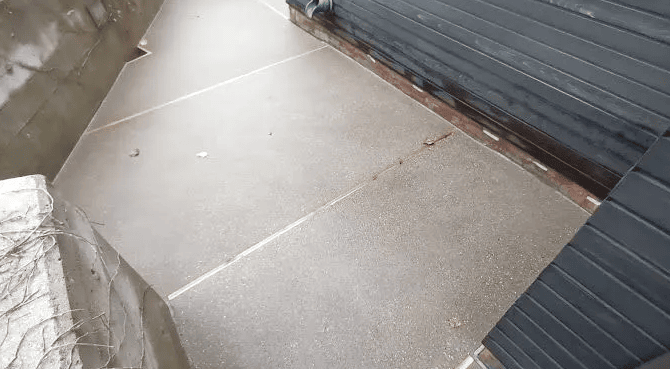
An exposed aggregate overlay gives concrete a natural, pebbly look by embedding small stones into the surface and then washing away the top layer to reveal them. It is a durable finish that handles Birmingham's heat and rain well, and it provides natural texture without adding a coating on top. This finish works on driveways, walkways, and pool surrounds, and it tends to age well compared to some painted or coated surfaces.
Each of these finishes can be applied to different kinds of concrete surfaces, and the right choice often depends on where the slab is located and how much use it gets. In the next section, we break down how resurfacing applies specifically by surface type, whether that is a driveway, patio, pool deck, or garage floor.
Concrete Resurfacing by Surface Type
Not every concrete surface wears down the same way, and the right approach depends on where the concrete is and how it gets used. We work across Birmingham and the surrounding areas, from Hoover and Vestavia Hills to Trussville and Bessemer, and we see a wide range of surface conditions. Here is a closer look at how we handle concrete resurfacing for each common surface type.
Driveway Resurfacing
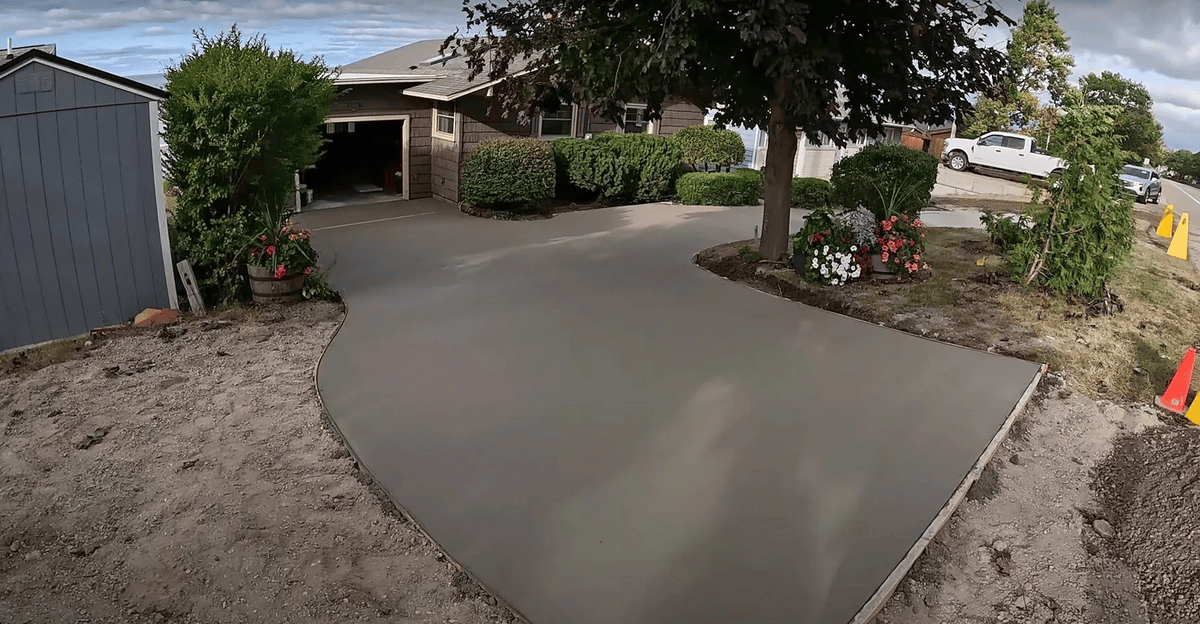
Driveways take a lot of punishment from vehicle traffic, oil, and Birmingham's summer heat cycling into cooler winters. When your driveway starts showing surface cracking, scaling, or worn patches, a concrete overlay is often a practical fix. We start with thorough surface preparation, including cleaning with a degreaser and profiling the slab to reach a CSP 3 to CSP 5 profile, so the new material bonds correctly. Depending on the condition of your driveway, we may apply a polymer-modified topping or a fiber-reinforced overlay at around 3/16 inch thickness. Driveway resurfacing costs far less than a full tear-out and gives you a clean, durable surface without the extended downtime.
Patio Resurfacing
Patios are exposed to moisture, sun, and foot traffic year-round. In areas with Birmingham Red Clay soil underneath, the ground can shift enough over time to cause surface cracking or unevenness. We can address minor cracks through crack filling before applying a new finish. If you want more than just a plain gray surface, decorative concrete options like stamped concrete patterns or color stains can give your patio a completely different look. We use products from trusted manufacturers like Ardex and Sika to make sure the finish holds up through Alabama's humidity and rain.
Sidewalk and Walkway Resurfacing
Sidewalks and walkways develop problems from tree root pressure, freeze-thaw cycles, and just general age. Uneven or rough surfaces become a safety concern, especially in neighborhoods like Homewood or Mountain Brook Village where foot traffic is steady. We assess each section carefully before starting. Where the slab is structurally sound, a cementitious overlay or microtopping can smooth out the surface and improve slip resistance. We pay close attention to feather edges and transitions so there are no trip hazards once the work is done.
Garage Floor Resurfacing
Garage floors deal with oil stains, tire wear, moisture vapor, and heavy loads. Before we apply anything, we use an infrared moisture meter to check the vapor emission rate, since a reading above 3 lbs per 1000 sq ft can cause coatings to fail. Once the slab passes that check, we prepare the surface using a diamond grinder or shot blaster and apply an epoxy primer followed by the appropriate system. An epoxy coating with a silica aggregate broadcast is a popular choice for garage floors because it creates a surface that is both durable and easy to clean. For heavier use situations, a urethane cement or polyurea topcoat adds an extra layer of protection.
Pool Deck Resurfacing
Pool decks around Birmingham see constant exposure to water, pool chemicals, and direct sun. The surface also needs to stay slip-resistant when wet. We typically use a concrete overlay or a textured cementitious system designed specifically for wet environments. We also verify that the application temperature stays above 55 degrees F and that the surface is properly cured before any topcoat goes down. Decorative finishes are a popular choice here, since pool deck resurfacing is a chance to refresh the look of the entire outdoor space while also making it safer.
Each of these surfaces presents its own set of challenges, but they all share one thing in common: resurfacing them the right way requires solid preparation, the right materials, and experienced hands. When those pieces come together, the results go well beyond appearance. Understanding what those benefits look like in practice is worth exploring further.
Concrete That Holds Up for Decades
We are a concrete contractor based right here in Birmingham, AL. Our team has over 20 years of combined experience pouring concrete, and we have spent more than 10 years working specifically in the Birmingham area. That means we know the local soil conditions, the weather patterns that affect how concrete cures, and the building standards that apply to projects in this region.
Concrete work is not something you want to redo. When it is done right the first time, it holds up for decades. When it is not, you end up with cracks, settling, and repairs that cost more than the original job. We take the time to do things correctly from the start, whether we are working on a driveway, a patio, a foundation, or a commercial slab.
Over the years, we have worked on projects across Birmingham and the surrounding communities, including Hoover, Vestavia Hills, Homewood, and Trussville. We understand what works in this area and what does not. The red clay soil common throughout Jefferson County, for example, requires careful ground preparation before any concrete is poured. These are the kinds of details that come from real experience, not just reading a manual.
When you reach out to us, you are talking directly with the people who will show up and do the work. We keep things straightforward, give you honest assessments, and make sure you understand what the job involves before anything gets started.
Benefits of Concrete Resurfacing
If your driveway, patio, or pool deck is looking rough but the slab underneath is still solid, concrete resurfacing is worth a serious look. Instead of tearing everything out and starting over, we apply a new surface layer over what you already have. The result is a surface that looks fresh, holds up well, and does not require the cost or disruption of a full replacement. We have been doing this work in Birmingham for over 10 years, and we understand how local conditions like Alabama red clay soil movement and high humidity affect how resurfacing needs to be done right.
Costs Less Than Full Replacement
Tearing out and replacing a concrete slab means demo work, haul-away, forming, and a full pour. That adds up fast. With a concrete overlay or polymer-modified topping, we work with what is already there. The concrete resurfacing cost is almost always a fraction of replacement, and for most homeowners in areas like Hoover, Vestavia Hills, or Mountain Brook, that difference is significant.
Extends the Life of Your Concrete
A properly applied resurfacing system can add years to a slab that still has good structural integrity. We use materials that meet tensile bond strength minimums of 250 psi, which means the new layer is not just sitting on top. It is bonded to the existing concrete in a way that holds up under regular traffic and seasonal temperature changes.
Improves Safety and Slip Resistance
Worn concrete can become slick, especially around pool decks or after rain. As part of our concrete finishing process, we can apply a silica aggregate broadcast or texture that increases grip underfoot. This is especially useful on surfaces that stay wet, like those near Shades Creek or lakefront properties around Lake Purdy.
Boosts Curb Appeal and Property Value
Beyond function, resurfacing gives you real options. Stamped concrete patterns, integral color, and decorative concrete finishes can completely change how a driveway or patio looks. Whether you want something clean and modern or a textured look that fits an older neighborhood like Forest Park or Avondale, we can work with you on a finish that suits the property.
Protects Against Moisture and Weather Damage
Birmingham gets heat, rain, and humidity that wear on concrete year after year. A quality epoxy coating or polyurethane sealer creates a barrier that slows moisture intrusion and reduces surface wear. We check moisture vapor emission rates before any application because in our climate, skipping that step leads to adhesion failure down the road.
Faster Turnaround with Less Disruption
Most resurfacing projects wrap up in a day or two, depending on the size of the area and the system we use. There is no heavy equipment tearing up your yard, no long wait for a full cure before you can walk on it, and no extended period where your driveway or patio is completely out of commission. That matters whether you are in a busy subdivision like Ross Bridge or a neighborhood with tight lot spacing.
Of course, how long that fresh surface holds up depends on several factors, including the quality of prep work, the products used, and the conditions it faces every day. That brings us to an important question most homeowners ask once they decide resurfacing is the right move.
How Long Does Concrete Resurfacing Last
When done correctly, concrete resurfacing can last anywhere from 8 to 15 years or more. The actual lifespan depends on several things, including the quality of the materials used, how well the surface was prepared, and how much traffic or wear the surface receives. A concrete overlay applied over a properly prepped slab using a polymer-modified topping or fiber-reinforced overlay can hold up for well over a decade with basic care. Cutting corners on surface preparation or using low-grade products is the most common reason resurfacing fails early.
Factors That Affect How Long Resurfacing Holds Up
The biggest factor in how long resurfacing lasts is how well the original concrete was prepared before the new material went down. We follow ICRI CSP guidelines and use equipment like a shot blaster or diamond grinder to create the right surface profile, typically a CSP 3 to CSP 5 range, so the overlay bonds firmly to the existing slab. A tensile bond strength of at least 250 psi is the target, and we use tools like a tensile pull-off tester to verify adhesion when needed.
The type of resurfacing system also matters. A basic cement resurfacing product behaves differently than a microtopping, an epoxy mortar system, or a urethane cement floor. Each has its own durability profile depending on the setting. A driveway resurfacing job in Hoover or Vestavia Hills that sees daily vehicle traffic needs a tougher system than a backyard patio in Crestwood or Forest Park. We take the specific use into account before recommending a product or approach.
Crack filling before resurfacing is also critical. Birmingham sits on expansive clay soils, and the Alabama red clay shrink-swell common throughout Jefferson County can cause minor movement in slabs over time. If existing cracks are not properly addressed before the overlay goes down, they can reflect through the new surface and shorten its life.
How Birmingham Weather Affects Concrete Surfaces
Birmingham's climate creates real challenges for concrete surfaces. Hot summers, occasional freezing temperatures in winter, and frequent rain throughout the year all take a toll. Moisture is one of the biggest concerns. We check the moisture vapor emission rate of a slab before applying any coating or overlay because excess moisture trapped beneath the surface can cause peeling and delamination. We also follow a 55 degrees F minimum application temperature to make sure the materials cure the way they should.
The heat and humidity in Birmingham can also affect working time during application. Products like methyl methacrylate or epoxy primer set faster in warm weather, so timing and technique matter. We have been working in Birmingham for over 10 years and understand how to adjust our process based on the season and daily conditions.
Tips for Maintaining a Resurfaced Concrete Surface
Taking care of a resurfaced surface is straightforward. For most driveways, patios, and pool decks, a regular rinse with a pressure washer and occasional resealing with a polyurethane sealer or acrylic curing compound is enough to keep the surface in good shape. Avoid using harsh chemicals or de-icing salts, especially on stamped concrete or decorative concrete finishes, since they can wear down the topcoat over time.
Fix small cracks or chips as soon as you notice them. Small problems caught early are easy and inexpensive to address. Left alone, they tend to grow and can lead to larger repairs down the road. If your surface starts to show wear around the edges or in high-traffic areas, reaching out to us for an inspection can help you understand whether a simple touch-up or a full recoat makes more sense.
How long your resurfaced concrete lasts and how much care it needs over time also connects directly to the total concrete resurfacing cost you will face over the years, which is worth understanding before starting any project.
Concrete Resurfacing Cost in Birmingham AL
If your driveway, patio, or pool deck is looking rough but the slab underneath is still solid, concrete resurfacing is usually the more practical route. Before committing to a project, most homeowners want to know what it will cost. We've worked across Birmingham for over 10 years, from Hoover and Vestavia Hills to Trussville and Bessemer, and we can tell you that pricing depends on several real factors specific to your surface and location.
What Affects the Cost of Resurfacing
The size of the area is the most obvious factor, but it's far from the only one. The condition of the existing concrete matters a great deal. A surface that needs significant crack filling, grinding, or profiling before an overlay can be applied will take more labor and materials. Proper surface preparation is non-negotiable for a lasting result. We use equipment like a diamond grinder or shot blaster to reach the right profile, typically a CSP 3 to CSP 5, so the new material bonds correctly.
The type of finish you choose also affects the price. A basic cement resurfacing job using a cementitious overlay costs less than a decorative concrete finish like stamped concrete or a multi-coat epoxy coating system. A standard overlay might run around 3/16 inch thick, while more specialized systems involve additional coats and topcoats like a polyurea topcoat that add to the total. Birmingham's clay-heavy soil, including the Alabama red clay shrink-swell common in areas near the Cahaba River corridor, can also cause movement that affects how we prep and what materials we recommend.
Access to the area, drainage conditions, and how much sun or shade a surface gets all play a role too. We keep the minimum application temperature at 55 degrees F, and Alabama's humidity can require adjustments to curing time and product selection.
How Resurfacing Costs Compare to Full Replacement
Tearing out an existing slab and pouring new concrete is a significant expense. It involves demolition, haul-off, forming, and a full pour that needs a 28-day cure before heavy use. Driveway resurfacing or a concrete overlay skips all of that. You're working with what's already there, which means less labor, less material, and less disruption to your property.
For surfaces with sound structural concrete underneath, resurfacing can deliver results that look close to new at a fraction of the replacement cost. That said, if the slab has deep structural cracks, significant settling, or moisture vapor emission rates above 3 lbs per 1000 sq ft, we'll tell you honestly whether resurfacing makes sense or whether replacement is the smarter long-term investment. Our goal is to give you accurate information, not just sell you a job.
Getting an Accurate Estimate for Your Project
The most reliable way to get a real number is to have someone come out and look at the surface in person. We use an infrared moisture meter and do a visual assessment to understand what prep work is needed before we quote anything. Factors like floor leveling requirements, the condition of edges and transitions, and whether decorative options like stamped concrete or integral color are involved all affect the final figure.
When you contact us, we'll walk the surface with you, explain what we're seeing, and give you a straightforward breakdown of the work involved. Whether your project is in Homewood, Mountain Brook, Irondale, or out in the Greystone or Inverness subdivisions, we bring the same process and the same standards to every estimate. That approach is part of how we've built the kind of reputation in Birmingham that makes the next section worth reading.
Why Work With Us
We have spent over 20 years pouring and finishing concrete, and more than 10 of those years have been spent working right here in Birmingham. We know the area, we know the soil, and we understand how Alabama weather affects concrete work. That experience shapes everything we do on a resurfacing job.
Our Experience With Concrete Resurfacing in Birmingham
Birmingham's expansive clay and red clay soils can shift with the seasons, and that movement puts stress on concrete slabs over time. We have worked on driveways, patios, pool decks, and garage floors across neighborhoods like Homewood, Vestavia Hills, Hoover, and Trussville. Whether a slab needs basic concrete repair before an overlay goes down or a full decorative finish like stamped concrete, we have handled jobs like it before. Our team holds certifications including the ACI Flatwork Technician credential, and we follow established standards like ACI 546R and ICRI Technical Guideline 310.2R to make sure resurfacing work bonds properly and holds up over time.
How We Approach Each Resurfacing Project
Good surface preparation is the foundation of any successful resurfacing job. Before we apply anything, we check the existing slab for moisture using an infrared moisture meter, identify cracks that need crack filling, and profile the surface using equipment like a diamond grinder or shot blaster to reach the right CSP profile for adhesion. We apply a bonding agent before the overlay goes down, and we use commercial-grade materials from trusted manufacturers. The products and resurfacing techniques we use depend on what your surface needs, whether that is a polymer-modified topping for a driveway, a microtopping for an interior floor, or an epoxy coating for a garage. We also account for Birmingham's heat and humidity when timing the application and curing process, since temperature and moisture in the air can affect how the material sets.
What You Can Expect When You Contact Us
When you reach out to us, we will ask you a few basic questions about your surface and what you are hoping to accomplish. From there, we schedule a time to come out and take a look in person. We assess the condition of the concrete, talk through your options, and give you a clear picture of what the work involves and what it will cost. There are no confusing estimates or vague timelines. We explain the process in plain terms so you know exactly what you are getting. From driveway resurfacing to floor resurfacing on a covered patio, we treat each project the same way, with honest communication from the first call through the final walkthrough.
If you want to know more about whether resurfacing is the right fit for your property, the next section covers some final thoughts to help you decide.
Ready to Get Started With Concrete Resurfacing in Birmingham
If your driveway, patio, or other concrete surface is looking worn and rough, resurfacing is one of the smartest moves you can make. It costs less than replacement, gets done faster, and can completely change the way your property looks and functions. Whether you are in Hoover, Vestavia Hills, Homewood, or anywhere else around Birmingham, we are ready to help.
Resurfacing is a smart choice for Birmingham homeowners
When you weigh the options, concrete resurfacing keeps coming out ahead. Here is a quick look at what you get when you go this route:
- Costs significantly less than tearing out and replacing your existing concrete
- Fixes surface cracks, staining, and worn spots without a full demo job
- Extends the life of your slab and protects it from moisture and weather
- Creates a smoother, safer surface with better slip resistance
- Opens the door to decorative upgrades like stamped concrete, color staining, or textured finishes
- Finishes faster with far less disruption to your home and daily routine
- Boosts curb appeal and adds value to your property
- Works on driveways, patios, pool decks, sidewalks, and garage floors
Birmingham's heat, humidity, and clay-heavy soil can be rough on concrete over time. Proper surface preparation, the right materials, and experience with local conditions all make a real difference in how long your resurfacing lasts. That is exactly what we bring to every job.
How to get started with your concrete resurfacing project
With over 20 years of combined experience pouring and finishing concrete, and more than 10 years working right here in the Birmingham area, we know what it takes to get the job done correctly. We use commercial-grade products, follow proven standards, and treat every surface like it matters, because it does.
When you work with us, you get a team that is licensed, insured, and serious about doing the work right the first time. We handle the concrete repair, crack filling, and prep work before we ever apply a new surface, so you are not left with a finish that peels or fails in a year.
Getting started is simple. Fill out the form below or give us a call to get your free quote today. We will take a look at your surface, talk through your options, and give you a straight answer on what it will take to get your concrete looking the way you want it.
Birmingham AL Concrete
3301 Lorna Rd
Birmingham, AL 35216
Business Hours
| Mon | 7:00 AM – 10:00 PM |
| Tue | 7:00 AM – 10:00 PM |
| Wed | 7:00 AM – 10:00 PM |
| Thu | 7:00 AM – 10:00 PM |
| Fri | 7:00 AM – 10:00 PM |
| Sat | 7:00 AM – 10:00 PM |
| Sun | 7:00 AM – 10:00 PM |