Foundation Work in Birmingham
Foundation Work Tailored to Birmingham Conditions
Service Area Coverage Across Birmingham, AL and Surrounding Communities
We provide concrete foundation services throughout Birmingham, AL and the surrounding communities, including Homewood, Vestavia Hills, Mountain Brook, Hoover, Trussville, Irondale, Bessemer, and beyond. Whether your property sits near the UAB Campus, off Highway 280, or out in Greystone or Ross Bridge, we can get to you. We have been working in the Birmingham area for over 10 years and have more than 20 years of combined experience pouring and repairing concrete foundations. If you need a foundation inspection, a repair estimate, or a full pour for new construction, we are available to come out and take a look.
Common Foundation Problems Birmingham Homeowners Are Facing
If you are noticing cracks in your walls, doors that stick, floors that feel uneven, or gaps forming around windows, your foundation may be the source of the problem. These are not just cosmetic issues. Foundation settlement and shifting can get worse over time and lead to much bigger structural repairs if they are left alone. Whether you have a slab foundation, a crawl space foundation, or something older, the warning signs are worth taking seriously. This foundation work guide is meant to help you understand what you might be dealing with and what your options are before calling a contractor.
How Birmingham Soil Conditions and Weather Affect Foundations
Birmingham sits within the Alabama Piedmont, and a lot of the ground here is made up of Jefferson County Red Clay and expansive clay soils. These soils absorb water and swell when it rains, then shrink and pull away when things dry out. That repeated movement puts stress on foundations season after season. We also see a fair amount of fill soil and saprolite in areas around Cahaba Heights, Center Point, and parts of Norwood and Ensley, which can affect how well the ground supports a structure. Heavy rains that feed into Village Creek or run off toward the Cahaba River do not help either, especially when foundation drainage is not set up to move water away from the building. These are conditions we work with regularly, and they shape how we approach every job.
Frequently Asked Questions About Foundation Work in Birmingham, AL
Do I need a permit for foundation work in Birmingham?
Most foundation repair and new foundation projects require a permit through the City of Birmingham Building Permit Office or the Jefferson County Building Permits Division, depending on where your property is located. We handle the permitting process as part of our work and make sure everything meets the Alabama Building Code and Birmingham Building Code requirements.
How do I know if my foundation needs repair or full replacement?
That depends on the type and extent of the damage. A proper foundation inspection is the first step. We look at crack patterns, settlement measurements, drainage conditions, and soil behavior around the structure. Some situations call for foundation piers or wall anchors to stabilize what is already there. Others may require underpinning or more significant concrete work. We will give you a straight answer after we see the site.
What types of foundations do you work on?
We work on slab foundations, crawl space foundations, piling foundations, and poured concrete wall foundations. We also handle soil stabilization, foundation waterproofing, and drainage corrections. The next section covers what that work actually involves so you know what to expect.
What Foundation Work Includes
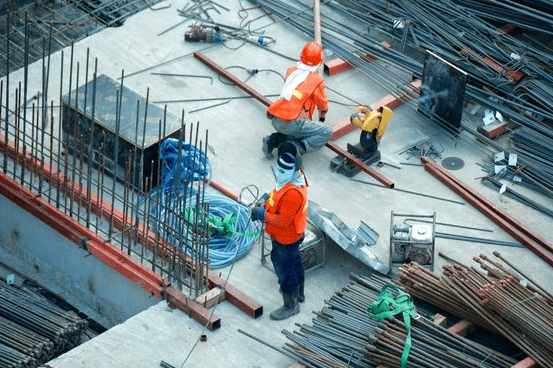
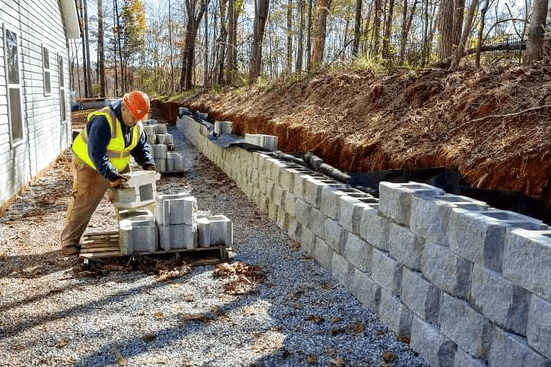
Foundation work covers a wide range of services depending on what your home or building needs. Whether you're starting from the ground up or dealing with an existing problem, we handle each part of the process carefully and to code. Here's a breakdown of what that work actually looks like.
New Foundation Installation for Homes and Additions
When you're building a new home or adding onto an existing structure, the foundation has to be done right from the start. We work from proper foundation design plans, account for local soil conditions like Jefferson County Red Clay and expansive clay, and use structural concrete that meets the load-bearing demands of your project. Depending on your site, that may involve compacted gravel base material, rebar ASTM A615 at the specified spacing, and concrete poured to the right PSI for long-term durability. We also make sure permits are pulled through the correct office, whether that's the City of Birmingham Building Permit Office or your local municipality.
Foundation Inspection and Structural Assessment
Before any repair work begins, we take a close look at what's actually going on. A foundation inspection helps us identify settlement patterns, drainage problems, soil movement, and any signs of structural stress. We use a laser level and total station survey equipment to get accurate readings across the structure. Understanding the underlying cause is what separates a lasting fix from a temporary patch.
Foundation Crack Repair and Patching
Cracks in a concrete foundation can range from cosmetic surface issues to signs of deeper structural movement. For foundation repair, we use materials like epoxy injection, hydraulic cement, and Sikadur Epoxy depending on the type and location of the crack. Carbon fiber straps may be used where wall movement is a concern. Getting this right matters because the wrong approach can allow water intrusion or let a small problem grow into a much larger one.
Foundation Leveling and Settlement Correction
Foundation settlement is common in Birmingham due to the region's expansive clay soils and seasonal moisture swings. When a foundation has shifted or sunk, we correct it using methods like foundation piers, underpinning, or wall anchors depending on the situation. Push pier steel and helical pier steel are two common options, and we select the right approach based on soil depth, load requirements, and access. Our goal is to bring the structure back to a stable, level condition within acceptable tolerance.
Waterproofing and Moisture Barrier Installation
Water is one of the biggest long-term threats to any foundation, especially in Birmingham where heavy rains and clay soils can trap moisture against concrete. Foundation waterproofing may include MasterSeal or Xypex Crystalline Waterproofing applied to exterior or interior surfaces, proper foundation drainage systems to redirect water away from the structure, and vapor barrier poly installed in crawl spaces. A 6 mil vapor barrier is a common standard for crawl space moisture control. Addressing moisture early helps protect the concrete and the structure above it.
Each of these services connects to the other. The type of repair or installation we recommend depends heavily on the kind of foundation your home or building already has, or the kind that makes the most sense for your site. That leads us to the different types of foundations we work with.
Types of Foundations We Work With
Birmingham sits on some challenging ground. Between the Jefferson County Red Clay, shifting Expansive Clay soils, and the moisture swings that come with Alabama weather, the type of foundation under your home or building matters a great deal. We have worked with all major foundation types across the area, from older neighborhoods like Avondale and Norwood to newer subdivisions out in Greystone and Liberty Park. Here is a breakdown of what we work with and what each one involves.
Slab Foundations
A slab foundation is a single, flat layer of concrete poured directly on prepared ground. We typically work with 4000 PSI concrete and place #5 rebar at 12 inch OC to meet load requirements under the Alabama Building Code. Slabs are common in Hoover, Vestavia Hills, and much of the newer construction along Highway 280. They are durable when properly installed, but Birmingham's clay soils can cause them to crack or shift if drainage and soil prep are not done right from the start.
Crawl Space Foundations
A crawl space foundation raises the structure off the ground, leaving a small gap between the floor system and the soil below. This setup is common in older homes in Mountain Brook, Forest Park, and Crestwood. We use a 6 mil vapor barrier to control moisture in the crawl space, which is important given how much rain the Birmingham area gets. Without proper foundation waterproofing and drainage, crawl spaces can hold humidity and cause wood rot or mold over time.
Basement Foundations
Basement foundations are less common in Birmingham than in northern states, but you do find them in parts of Homewood, Southside, and some hillside lots near Red Mountain Park. The depth and soil composition in these areas can vary, which affects how we approach excavation and waterproofing. We follow ACI 318 standards and coordinate with the City of Birmingham Building Permit Office when permits are required for this type of work.
Pier and Beam Foundations
Pier and beam foundations use vertical concrete or steel piers to support horizontal beams, which then carry the weight of the structure above. We work with both helical pier steel and push pier steel depending on soil depth and load requirements. This foundation type is well suited to areas with unstable or uneven ground, and we have used it on properties near Village Creek and in parts of Irondale where fill soil and variable bedrock make standard slab work difficult.
Stem Wall Foundations
A stem wall foundation uses a concrete perimeter wall that sits on top of a footing and supports the structure above grade. We often use a 30 inch spread footing with Grade 60 Rebar and structural concrete to meet bearing capacity requirements. Stem walls are common in sloped lots across Trussville, Cahaba Heights, and areas along Cahaba Valley Road. They offer good stability when the footing reaches competent soil or bedrock.
Knowing what type of foundation is under your property is the first step toward understanding how to protect it. Each foundation type comes with its own set of strengths and vulnerabilities, especially given Birmingham's soil conditions and weather patterns. That awareness becomes especially important when something starts to look or feel off with your structure.
A few years back, we took on a foundation job for a homeowner over in Hoover, just south of Birmingham. It seemed straightforward at first, but things got complicated fast once we started digging.
About two feet down, we hit a layer of red clay that had shifted and settled unevenly over the years. This is something we run into fairly often here in the Birmingham area because the soil in central Alabama tends to move with the seasons, especially after heavy rain. The problem was that the clay had created soft pockets underneath where the foundation was supposed to sit. If we had poured concrete directly over it, the slab would have cracked within a year or two.
We stopped work and brought in a soil engineer to take a look. After the inspection, we had to remove an extra eighteen inches of unstable soil and bring in compacted gravel fill to give the foundation a solid base. That added time and cost to the project, which was a tough conversation to have with the homeowner.
We walked them through exactly what we found, showed them the soil conditions, and explained why skipping that step would have caused serious problems down the road. They appreciated the honesty and gave us the go-ahead to do it right.
The foundation we poured is still holding strong today. That job taught us to always expect the unexpected when working with Birmingham soil, and to make sure you know what is truly underneath your property before any concrete gets poured.
Signs Your Foundation Needs Attention
Foundation problems rarely show up all at once. They tend to develop slowly, and many homeowners in areas like Homewood, Vestavia Hills, and Mountain Brook don't notice anything is wrong until the damage has already progressed. Knowing what to look for early can make a real difference in how much work is needed later.
Visible Cracks in Walls, Floors, or the Foundation Itself
Cracks are one of the first things we look for during a foundation inspection. Small hairline cracks can sometimes be normal settling, but wider cracks, cracks that run diagonally, or cracks that are growing over time are worth taking seriously. Horizontal cracks in a concrete or block wall are especially concerning because they can point to lateral soil pressure pushing against the structure.
Doors and Windows That Stick or No Longer Close Properly
When foundation settlement causes a structure to shift, the door and window frames move with it. If you have doors that suddenly started sticking or windows that no longer latch, that change in alignment often traces back to movement in the foundation below.
Uneven or Sloping Floors Inside the Home
Floors that feel bouncy, sloped, or uneven underfoot are a common sign we see in older homes throughout Avondale, Norwood, and Ensley. In homes with a crawl space foundation, this often means the support piers or beams underneath have shifted or deteriorated. In a slab foundation, it can point to soil movement beneath the slab.
Gaps Between Walls and Ceilings or Floors
When a foundation moves unevenly, the framing above it responds. You may start to see gaps opening up where walls meet the ceiling or where baseboards pull away from the floor. These separations tend to get wider over time if the underlying cause is not addressed.
Water Pooling Near the Foundation or in Crawl Spaces
Poor foundation drainage is a problem we come across frequently across Jefferson County. Water that collects near the base of a home adds weight and pressure to the soil, and over time that moisture works against the concrete itself. Standing water in a crawl space can also lead to wood rot, mold, and further structural weakening.
Any one of these signs on its own is worth a closer look. When you are seeing more than one at the same time, the situation usually calls for a proper evaluation as soon as possible. Part of what makes foundation issues in this region different from other parts of the country comes down to the ground underneath your home, and that is where soil conditions and local climate come into the picture.
Why Birmingham Soil and Climate Create Foundation Challenges
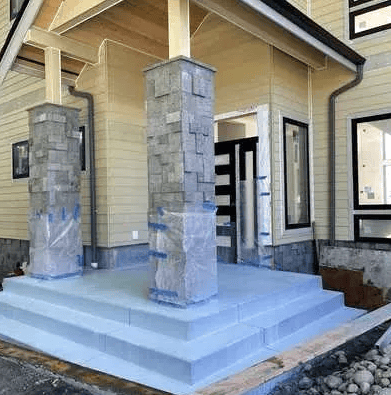
If you own a home or building in the Birmingham area, the ground beneath it is working against your foundation in ways that most people never think about. The combination of local soil conditions, heavy rainfall, and temperature swings creates real challenges for concrete foundations of all types, whether you have a slab foundation, a crawl space foundation, or a deeper system like a piling foundation. We have spent over 10 years working in this area, and understanding local conditions is a big part of how we approach every foundation inspection and repair job.
How Alabama Clay Soil Expands and Contracts with Moisture
Birmingham sits on some of the most reactive soil in the Southeast. The Jefferson County Red Clay and expansive clay soils common throughout the Alabama Piedmont absorb water and swell when wet, then shrink and crack when they dry out. This constant movement puts stress on whatever is sitting on top of it. Over time, that movement leads to foundation settlement, cracking, and uneven floors. Soil stabilization during foundation design and construction helps manage this, but older foundations that were not built with these conditions in mind often need attention as the soil continues to shift beneath them.
How Heavy Rainfall and Drainage Issues Put Pressure on Foundations
Birmingham receives an average of more than 53 inches of rain per year, and a lot of that water ends up pooling around foundations when grading and drainage are not set up correctly. Poor foundation drainage allows water to build up against foundation walls and beneath slabs, which increases hydrostatic pressure and contributes to cracking, moisture intrusion, and long-term movement. Areas near Village Creek and Shades Creek, or in lower-lying neighborhoods like Ensley and Fairfield, tend to see these problems more often. Proper drainage design and foundation waterproofing are not optional extras here. They are basic requirements for a foundation that holds up over time.
How Hot Summers and Temperature Shifts Cause Concrete Stress
Birmingham summers regularly push temperatures above 90 degrees, and winter cold snaps still bring freezing nights. That range of temperatures causes concrete to expand and contract repeatedly throughout the year. On a slab foundation, this can show up as surface cracks or separation at control joints. On residential foundations with walls or piers, the stress can work its way into the structural concrete itself. Using the right concrete mix, reinforcement like Grade 60 Rebar, and proper curing methods during installation reduces how much this movement affects the finished foundation.
Why Older Birmingham Homes Are Especially Vulnerable
Many homes in neighborhoods like Avondale, Norwood, and Forest Park were built decades ago, long before current standards like the Alabama Building Code and ACI 318 guidelines shaped how foundations were designed and poured. Older foundations may be under-reinforced, poorly drained, or simply worn down from years of soil movement and moisture exposure. These homes often show early signs of trouble, including sticking doors, uneven floors, and visible cracks in walls. In many cases, options like foundation piers, wall anchors, or underpinning foundation work can stabilize the structure without requiring a full replacement.
Understanding these local conditions is the first step toward addressing foundation problems correctly. That knowledge shapes how we evaluate every job and how we plan the work, which brings us to what our foundation process actually looks like from start to finish.
Our Foundation Work Process
When you reach out to us about a foundation concern, we follow a clear, step-by-step process to make sure the work gets done right. We have over 20 years of combined experience pouring concrete and more than 10 years working specifically in Birmingham, AL. That local experience matters because the soil conditions, weather patterns, and building codes here are different from anywhere else.
Initial Site Visit and Foundation Assessment
We start with a thorough foundation inspection of your property. During this visit, we look at the overall condition of your foundation, check for signs of foundation settlement, and take note of any cracks, water intrusion, or shifting. Birmingham sits on a mix of Jefferson County Red Clay, expansive clay, and in some areas, Karst Limestone, all of which can affect how a foundation behaves over time. Areas like Homewood, Mountain Brook, and Vestavia Hills often have older homes where soil movement has been quietly doing damage for years. We use a Laser Level and Total Station Survey Equipment to get accurate readings on any elevation changes across your slab or footing. If your home has a crawl space foundation, we go underneath and check for moisture, wood damage, and signs of settling or movement.
Reviewing Findings and Recommending a Repair or Installation Plan
After the inspection, we sit down with you and go over everything we found. We explain what is happening with your foundation in plain terms and walk you through the options that make sense for your specific situation. Depending on what we find, that might mean foundation repair using epoxy injection or carbon fiber straps, installing foundation piers such as helical or push piers, or addressing foundation drainage issues that are causing water to press against your walls. For new construction or additions, we talk through foundation design that meets the Alabama Building Code and Birmingham Building Code requirements. We handle permits through the City of Birmingham Building Permit Office or Jefferson County Building Permits Division depending on your location.
Site Preparation and Excavation When Needed
Some foundation jobs require excavation before any concrete work can begin. We use a Mini Excavator for controlled digging and follow OSHA 1926 Subpart P standards for safe trenching and shoring. If the soil underneath needs to be stabilized, we address that before anything else goes in. Soil stabilization is especially important in neighborhoods near Village Creek or low-lying areas around Cahaba Valley Road, where fill soil and alluvial deposits can create unstable ground. We compact subgrade material to 95% Proctor Compaction using a Plate Compactor or Vibratory Compactor, and we verify results with a Nuclear Density Gauge. For projects that call for a piling foundation or underpinning foundation, we bring in the right equipment for the job, including a Pier Driving Rig or Caisson Drill Rig when the situation requires it.
Pouring or Repairing the Concrete Foundation
When it is time to pour, we use the right concrete mix for the job. Most residential work calls for 4000 PSI Concrete with Grade 60 Rebar placed at #5 Rebar at 12 inch OC and a minimum 3 inch cover over rebar. For a slab foundation, we typically pour a 6 inch concrete slab and make sure it is properly reinforced and cured. We source materials locally through suppliers like Ready Mix USA and Birmingham Concrete Products. If we are doing foundation waterproofing, we use proven products such as Xypex Crystalline Waterproofing or MasterSeal Waterproofing, and we install a 6 mil Vapor Barrier where moisture control is needed. For repair work, we use Sikadur Epoxy or Sika MonoTop to fill cracks and restore structural integrity to damaged sections.
Final Inspection and Cleanup
Once the work is done, we do a final walkthrough with you to make sure everything meets expectations and that the finished foundation aligns with what was planned. We check grades around the foundation to confirm water will drain away properly, which helps protect against future movement. We clean up the site before we leave, and we go over any maintenance steps you should know about going forward.
Taking care of foundation problems early is one of the most straightforward ways to protect your home or building from bigger, costlier damage down the road.
We Have Worked Across Birmingham for Over 10 Years
We are a concrete contractor based right here in Birmingham, AL. Our team has over 20 years of combined experience pouring concrete, and we have spent more than 10 years working specifically in the Birmingham area. That means we know the local soil conditions, the weather patterns that affect how concrete cures, and the building standards that apply to projects in this region.
Concrete work is not something you want to redo. When it is done right the first time, it holds up for decades. When it is not, you end up with cracks, settling, and repairs that cost more than the original job. We take the time to do things correctly from the start, whether we are working on a driveway, a patio, a foundation, or a commercial slab.
Over the years, we have worked on projects across Birmingham and the surrounding communities, including Hoover, Vestavia Hills, Homewood, and Trussville. We understand what works in this area and what does not. The red clay soil common throughout Jefferson County, for example, requires careful ground preparation before any concrete is poured. These are the kinds of details that come from real experience, not just reading a manual.
When you reach out to us, you are talking directly with the people who will show up and do the work. We keep things straightforward, give you honest assessments, and make sure you understand what the job involves before anything gets started.
Benefits of Addressing Foundation Problems Early
When something looks off with your foundation, whether it is a small crack in the wall or a door that suddenly will not close right, the best move is to act sooner rather than later. Birmingham's expansive clay soils, seasonal rainfall, and shifting ground can turn a minor issue into a serious structural problem if it goes unaddressed. We have seen this pattern repeat itself across neighborhoods like Homewood, Vestavia Hills, and Trussville. Getting a foundation inspection early gives you a clear picture of what you are dealing with before it gets worse.
Preventing Minor Cracks From Becoming Major Structural Damage
Small cracks in a concrete foundation can start as surface-level concerns, but Jefferson County red clay and fill soil conditions can cause them to widen over time. Foundation settlement that goes unrepaired often leads to cracked load-bearing walls, failing footings, and problems that reach far beyond the foundation itself. Early repair with materials like epoxy injection or hydraulic cement keeps the damage contained and the repair scope manageable.
Protecting the Safety of Everyone Inside the Building
A shifting or deteriorating foundation puts stress on every part of the structure above it. When the base is not stable, walls can bow, floors can slope, and in serious cases the integrity of the entire building comes into question. Addressing issues like foundation piers or underpinning foundation needs early keeps the structure safe for the people inside it.
Avoiding Costly Repairs Down the Road
Foundation problems rarely stay the same size. What starts as a drainage issue near a slab foundation or a small movement in a crawl space foundation can grow into a project that requires full underpinning, soil stabilization, or pier installation. The cost difference between early repair and full structural correction is significant. Acting early almost always costs less.
Keeping Your Property Value and Buyer Confidence Intact
Foundation concerns show up on inspections and can affect a sale or appraisal. Buyers and their inspectors look closely at residential foundations, and visible settlement or unrepaired cracks raise questions. Addressing problems before they become a record of neglect helps protect what your property is worth.
Supporting Proper Alignment of Walls, Floors, Doors, and Windows
A foundation that has moved or settled unevenly pulls the rest of the structure out of alignment. Sticking doors, gaps around windows, and sloping floors are common signs. Correcting the foundation often restores proper alignment throughout the building without needing separate repairs to walls or framing.
Once you understand why early action matters, the next natural question is what the repair or installation process actually looks like. Here is what you can expect when you work with our team.
What to Expect From Our Team
When you reach out to us about your foundation, you can expect straightforward answers and honest assessments from people who have been doing this work for a long time. Our team brings over 20 years of combined concrete experience and more than 10 years working specifically in Birmingham, AL. That local background matters more than it might seem when it comes to foundation repair and new construction.
Over 20 Years of Combined Concrete Experience
We have worked on all types of residential foundations, from a basic slab foundation to more involved projects like underpinning foundation work and crawl space foundation corrections. We understand how to read a foundation problem and figure out what is actually causing it, whether that is foundation settlement, poor drainage, or something structural that needs attention below grade.
More Than 10 Years Working Specifically in Birmingham, AL
Birmingham's soil is not forgiving. Jefferson County Red Clay and expansive clay soils shift with moisture, and heavy seasonal rains along the Alabama Piedmont put real stress on concrete foundation systems. We have worked on homes and buildings across neighborhoods like Homewood, Vestavia Hills, Trussville, and Mountain Brook, and we understand how building conditions vary from one area to the next. That experience guides how we approach foundation design, foundation drainage planning, and soil stabilization on every job.
Straightforward Communication and Honest Assessments
Before any work starts, we walk through a thorough foundation inspection so you understand exactly what is going on with your structure. If you need foundation piers, wall anchors, or foundation waterproofing, we will tell you why and explain what is involved. We work in line with the Birmingham Building Code and pull permits through the appropriate offices so everything is done the right way.
Locally Sourced Knowledge of Birmingham Neighborhoods and Building Conditions
From Karst Limestone formations in certain parts of Jefferson County to fill soil conditions near Village Creek, we factor in what is actually under your property when we plan your foundation work. That kind of local knowledge shapes the materials we use, the equipment we bring, and how we approach each job from start to finish.
Once you know what to expect from us as a team, the next natural question is what the work is going to cost. Foundation pricing in Birmingham depends on several factors, and understanding those can help you plan and budget with confidence.
Foundation Work Costs in Birmingham, AL
Foundation work is not a one-size-fits-all service, and neither is the cost. Whether you are dealing with foundation settlement in an older Avondale home or planning a new slab foundation for a build in Trussville, the price will depend on a number of factors specific to your property and situation. We have been working on residential foundations across Birmingham for over 10 years, and we understand what drives costs up or down in this area.
Factors That Affect the Cost of Foundation Repair or Installation
Several things influence what you will pay for foundation work. The type of foundation matters a great deal. A crawl space foundation repair will cost differently than replacing a damaged piling foundation or installing foundation piers under a settling structure. Soil conditions play a major role too. Jefferson County Red Clay and expansive soils common throughout Birmingham shift with moisture, which can require additional work like soil stabilization or underpinning to get a stable result. The depth of the problem, how accessible your property is, and whether permits are needed through the City of Birmingham Building Permit Office or the Jefferson County Building Permits Division also factor into the final number. Materials like helical pier steel, epoxy injection, or vapor barrier poly each carry different costs depending on what your foundation actually needs.
Average Price Ranges for Common Foundation Services in the Birmingham Area
While every job is different, here are some general ranges we see in the Birmingham market. Basic foundation repair for minor cracks using epoxy injection or hydraulic cement typically runs a few hundred dollars on the low end. Installing foundation piers or underpinning a settling structure can range from a few thousand dollars to well over ten thousand, depending on the number of piers and depth required. New foundation installation for a home or addition, including a 6 inch concrete slab with 4000 PSI concrete and rebar at proper spacing, generally falls in the range of several thousand to tens of thousands depending on square footage. Foundation waterproofing and drainage work add to that depending on site conditions near areas like Shades Creek or Village Creek where moisture pressure can be higher.
Why Getting a Proper Assessment Matters Before Pricing
Giving you a number without seeing your property would not be honest or useful. A thorough foundation inspection tells us what is actually happening beneath the surface. Birmingham's geology includes karst limestone, weathered shale, and fill soil that can behave unpredictably. What looks like a surface crack could point to deeper settlement issues that need a different approach entirely. Using tools like a laser level and nuclear density gauge, we look at bearing capacity, drainage patterns, and structural load before recommending anything. Skipping this step is how small problems become expensive ones. Proper assessment also helps us make sure any work meets the Alabama Building Code and local permit requirements before we start.
How to Request an Estimate From Our Team
Getting in touch with us is straightforward. You can reach out by phone or through our contact form to schedule a site visit. We will come out to your property, take a look at what you are working with, and walk you through what we are seeing in plain terms. We work across Birmingham and the surrounding areas including Homewood, Vestavia Hills, Hoover, and Mountain Brook. After the assessment, we will put together a written estimate that breaks down the work and materials clearly. From there, the decision is yours with no pressure involved.
Understanding your costs upfront is part of making a good decision for your property. In the next section, we will bring together everything covered here so you have a clear picture of what foundation work means for your home or building and what your next steps can look like.
Why Birmingham Homeowners Trust Us With Their Foundations
After weighing the costs of foundation work, the next step is choosing the right team to do it. Cutting corners on a concrete foundation can lead to far bigger expenses down the road, especially here in Birmingham where Jefferson County red clay and seasonal moisture shifts put constant pressure on structures throughout the year.
Why Foundation Work Matters for Birmingham Homeowners
Birmingham's soil conditions are unlike most areas in the country. Expansive clay, fill soil, and the effects of the Birmingham Anticlinorium mean that foundations across neighborhoods like Homewood, Vestavia Hills, Trussville, and Hoover face unique stress year after year. Whether you have a slab foundation, a crawl space foundation, or are dealing with foundation settlement that is causing uneven floors or sticking doors, the underlying problem rarely fixes itself. Addressing it early protects your home's structure, your safety, and your investment.
Why Reaching Out Sooner Rather Than Later Makes Sense
Small cracks and minor shifts can grow into serious structural problems when left alone. A proper foundation inspection helps identify whether you need something straightforward like foundation drainage improvements or more involved work like underpinning, foundation piers, or wall anchors. The sooner we take a look, the more options you have and the lower the cost is likely to be.
Here is what you get when you work with our team:
- Over 20 years of combined experience pouring and repairing concrete foundations
- More than 10 years working specifically in Birmingham and the surrounding communities
- Knowledge of local soil conditions including red clay, saprolite, and karst limestone
- Work that meets the Alabama Building Code and Birmingham Building Code requirements
- Permit coordination with offices like the City of Birmingham Building Permit Office and Jefferson County Building Permits Division
- Honest assessments with no pressure to take on more work than you actually need
- Proper materials including Grade 60 Rebar, fiber reinforced concrete, and proven waterproofing solutions
- Equipment suited for residential and commercial foundation work of all sizes
- Accountability and follow-through from start to finish
- Peace of mind knowing your foundation was done right the first time
Get in Touch With Our Birmingham Foundation Team
We are ready to take a look at what you are dealing with and give you a straight answer about what needs to be done. Whether you need a foundation inspection, repair work, or a new pour for a construction project, we are here to help. Fill out the form below or give us a call to get your free quote today.
Birmingham AL Concrete
3301 Lorna Rd
Birmingham, AL 35216
Business Hours
| Mon | 8:00 AM – 7:00 PM |
| Tue | 8:00 AM – 7:00 PM |
| Wed | 8:00 AM – 7:00 PM |
| Thu | 8:00 AM – 7:00 PM |
| Fri | 8:00 AM – 7:00 PM |
| Sat | 9:00 AM – 6:00 PM |