Concrete Slab Installation in Birmingham
Birmingham Concrete Slab Installation You Can Count On
Service Area and Availability in Birmingham, AL
We provide concrete slab installation throughout Birmingham, AL and the surrounding communities, including Hoover, Vestavia Hills, Trussville, Homewood, Bessemer, Mountain Brook, Cahaba Heights, Irondale, and Pelham. Whether your project is near US Highway 280, along Cahaba Valley Road, or tucked into a neighborhood like Greystone or Ross Bridge, we can get to you. We typically respond to quote requests within one business day and can schedule an on-site estimate at a time that works for you. Our crew has over 20 years of combined experience pouring concrete and has spent more than 10 years working specifically in the Birmingham area.
Common Problems That Lead Homeowners to Need a New Concrete Slab
Most people reach out to us because something has gone wrong with an existing slab, or because they are ready to build something new and need a solid foundation to start on. Cracked garage floors, sunken patio surfaces, uneven driveways, and unstable shed bases are some of the most common issues we hear about. In many cases, the root cause is poor construction site preparation from the original pour. When the subgrade is not properly compacted or when drainage is ignored, even a well-mixed slab can fail over time. Other homeowners simply need a new slab for a garage addition, a backyard structure, or a light commercial project and want to make sure it is done right the first time. Understanding the concrete slab installation basics early in your planning process can save you from making decisions that cost more to fix later.
Local Knowledge: Birmingham Soil, Weather, and Neighborhood Context
Birmingham sits across a mix of soil types that can behave very differently under a concrete slab. Much of the metro area is underlain by Alabama Red Clay and expansive clay soils, particularly in neighborhoods like Avondale, Woodlawn, and areas along Village Creek. These soils shift with moisture changes, which puts stress on slabs that were not designed with that movement in mind. To the south along US Highway 280 and into Shelby County, you start to see more varied conditions including weathered rock and chert subgrades. Birmingham also gets significant rainfall throughout the year, and that moisture has a real effect on how concrete cures and how long a slab holds up without drainage considerations built into the design. We know these conditions well because we have been working in them for years, across neighborhoods from Norwood to Riverchase. That local experience shapes how we approach every job, from the base material we use to the way we detail the edges and joints.
Frequently Asked Questions from Birmingham Homeowners About Concrete Slab Installation
How thick does my slab need to be? That depends on what it will support. A standard residential patio or shed base typically uses a 4-inch slab thickness, while a garage or driveway usually calls for a 6-inch slab thickness to handle vehicle loads. We assess your specific project and load-bearing capacity needs before making a recommendation.
Do I need a permit? In most cases, yes. The City of Birmingham Building Permits Office and Jefferson County Building Permits both require permits for slab work tied to structures. We can walk you through what is needed based on your project type and location.
How long before I can use it? Curing concrete slabs properly takes time. We generally recommend a 7-day minimum before foot traffic and a full 28-day cure period before placing heavy loads or vehicles on the surface.
What mix will you use? For most residential slabs, we work with 3000 PSI concrete as a minimum, and we step up to 4000 PSI for heavier-use applications. We source ready mix locally and follow concrete mix ratios that meet ACI 301 guidelines for your project type.
If you have more questions, the best next step is to have us come out and look at your site. A quick walk-through tells us a lot, and it gives you a clearer picture of what your project actually involves. From there, we can talk through what a concrete slab is, how it is built, and what the right approach looks like for your specific situation.
What Is a Concrete Slab
Basic Definition and How a Concrete Slab Foundation Works
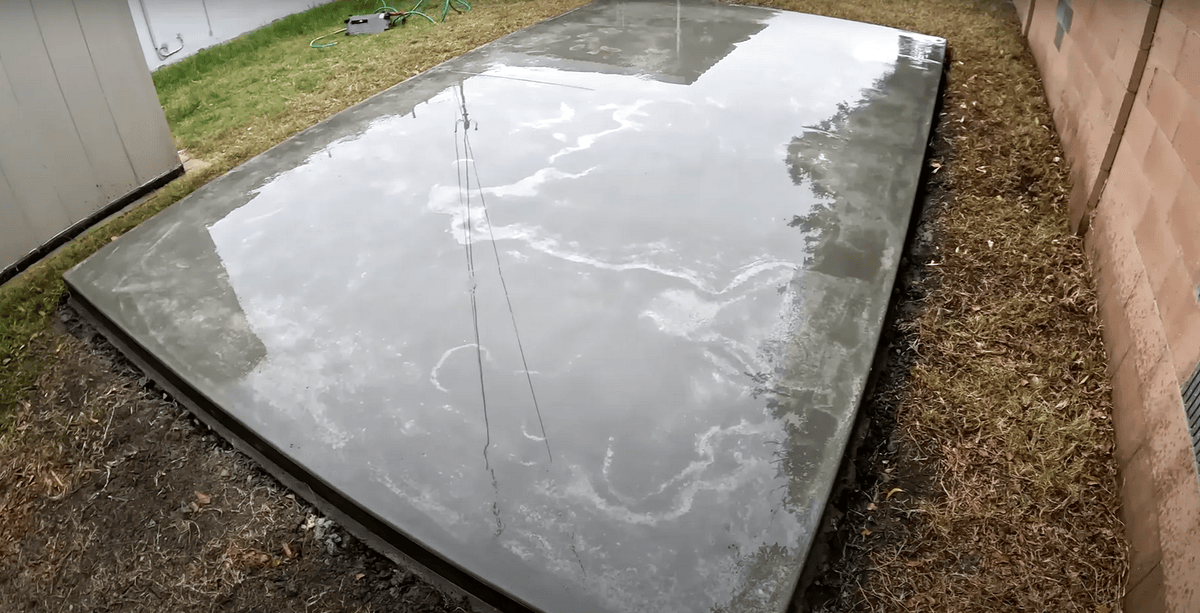
A concrete slab foundation is a flat, horizontal layer of concrete poured directly onto prepared ground. Once it hardens, it creates a solid, stable surface that can support structures, vehicles, equipment, and foot traffic. The slab works by spreading weight evenly across a large area, which reduces the stress on any one point. That even distribution is what helps prevent cracking and settling over time, especially when the slab is built correctly from the ground up.
We start every slab project with proper construction site preparation. That means grading the soil, compacting the subgrade, and laying a stable base layer, often crushed limestone or #57 stone, before any concrete is placed. In Birmingham, we deal with Alabama red clay and expansive clay soils in many areas, including neighborhoods like Vestavia Hills, Hoover, and Cahaba Heights. These soil types shift and swell with moisture, so getting the base right is not optional. From there, we set slab-edge forms, place reinforcement bars, and manage concrete mix ratios and pouring techniques to match the load demands of your project.
Common Uses for Concrete Slabs in Residential and Light Commercial Projects
Slabs are one of the most practical building materials we work with. Homeowners across the Birmingham area use them for garages, patios, driveways, shed pads, and pool surrounds. We also pour slabs for light commercial buildings along corridors like US Highway 280 and Interstate 65, where businesses need durable floors for warehouses, shops, and storage facilities.
The slab thickness recommendations we use depend on what the surface needs to carry. A standard residential patio or shed pad typically calls for a 4-inch slab thickness with 3000 PSI minimum compressive strength. A garage or light commercial floor often needs a 6-inch slab thickness and 4000 PSI commercial grade concrete, along with #4 rebar at 18-inch OC for added load-bearing capacity. We also factor in drainage considerations for every project since Birmingham gets significant rainfall throughout the year, and water that collects under or around a slab can cause real problems over time.
How Slabs Differ from Other Foundation Types
Not all foundations are the same. Crawl space foundations raise a structure off the ground, leaving an open space beneath the floor. Basement foundations go deeper and require excavation and walls. A concrete slab sits directly on the ground, making it a simpler, faster, and often more affordable option for many projects. There are no floor joists to rot, no crawl space for pests to enter, and no basement walls to waterproof.
Slabs do have specific needs. Curing concrete slabs correctly is one of the most important steps we take after the pour. A proper cure, typically a 28-day cure period with a curing compound applied shortly after finishing, helps the concrete reach its full strength. Skipping or rushing this step is one of the most common reasons slabs develop surface problems early on.
Because Birmingham's climate brings heat, humidity, and heavy rain, how and when we pour matters. We follow ACI 305R guidelines for hot weather concreting and use products from trusted local suppliers to keep quality consistent across every job. Understanding what a slab is and how it behaves under your specific conditions is the foundation for choosing the right type for your project, which is exactly what we will cover next.
Types of Concrete Slabs We Install
We have been working with concrete in the Birmingham area for over a decade, and in that time we have poured slabs for just about every situation a homeowner or business owner can run into. Whether you are in Hoover, Trussville, Vestavia Hills, or anywhere else across Jefferson and Shelby counties, the type of slab you need depends on what you are building and what the ground beneath it looks like. Birmingham's soil can be tricky. Alabama red clay and expansive clay soils shift with moisture changes, and that affects how we approach every job. Below is a breakdown of the slab types we install and what goes into each one.
Slab-on-Grade Foundations
A concrete slab foundation sits directly on the ground and serves as the base for a home or structure. This is one of the most demanding slab types we pour because the load-bearing capacity has to be engineered for the weight of the building above it. We typically work with a minimum of 4000 PSI concrete for these applications, reinforced with #4 or #5 rebar and sometimes Fibermesh throughout the mix. Proper construction site preparation is non-negotiable here. We compact the subgrade, bring in a crushed limestone base, and lay 6-mil polyethylene sheeting as a vapor barrier before any concrete is placed. Birmingham's clay-heavy soils can hold moisture underneath a slab, and skipping that barrier causes long-term problems.
Garage Slabs
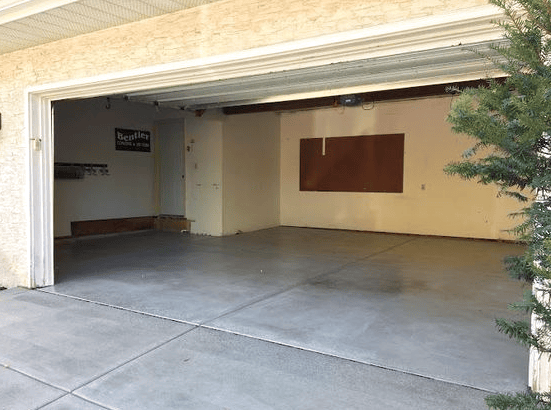
Garage slabs need to handle the weight of vehicles, tools, and sometimes heavy equipment. We recommend a 6-inch slab thickness for most residential garages, especially if you plan to park trucks or SUVs. We use 4000 PSI concrete and reinforce with #4 rebar at 18-inch on-center spacing or welded wire fabric depending on the load requirements. Slab-edge forms are set carefully to keep the perimeter true and square. Expansion joint installation along the perimeter and at thresholds helps control where the slab moves as temperatures change through Birmingham's seasons. A smooth, troweled finish makes the floor easy to clean and resistant to wear over time.
Patio Slabs
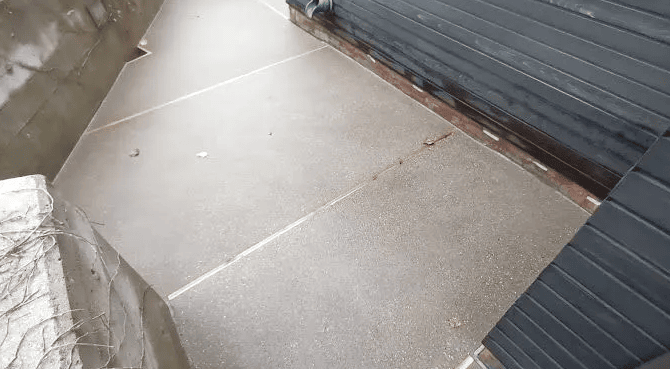
Patio slabs are often a little more forgiving on thickness, but they still need to be done right. We generally pour these at a 4-inch slab thickness for standard residential use. Drainage considerations matter a great deal here. A patio that pools water after a heavy rain is a problem, and Birmingham gets its share of those. We slope the slab slightly away from the structure to direct water off the surface. Finishing concrete surfaces on a patio can include a broom finish for texture or a smoother look depending on your preference. We also saw-cut control joints to guide any future cracking so it stays tight and manageable.
Shed and Outbuilding Slabs
A shed or outbuilding slab does not need to be elaborate, but it does need a solid base. We use 3000 PSI minimum compressive strength concrete for most of these pours, with a 4-inch thickness and a compacted granular base underneath. Even a simple shed slab benefits from a vapor barrier and proper site grading. If the ground around your property near areas like Cahaba Heights or Irondale tends to drain slowly, we account for that in how we prep the site. Getting the base right before the pour is what keeps the slab from cracking or shifting down the road.
Driveway Slabs
Driveways take a beating from vehicle traffic, UV exposure, and freeze-thaw cycles. We use 4000 PSI concrete as a standard for residential driveways and reinforce with rebar or synthetic macro fibers to improve tensile strength. Curing concrete slabs properly is especially important for driveways. We apply a curing compound immediately after finishing to lock in moisture and allow the slab to develop its full strength over the 28-day cure period. We also follow a 10 to 12-foot joint spacing to manage cracking. If you are on a street near a busy corridor like US Highway 280 or Cahaba Valley Road, we factor in the grade changes and drainage patterns specific to your site.
Light Commercial Floor Slabs
For light commercial work, slabs have to meet tighter specs. We work in compliance with ACI 302.1R and follow Birmingham Building Code requirements throughout the process. These pours typically call for 4000 to 5000 PSI concrete, laser screed equipment for accurate concrete leveling, and sometimes a Lithium Silicate Densifier applied after finishing to harden the surface. Load-bearing capacity is calculated based on the intended use of the space. We pull the appropriate permits through the City of Birmingham Building Permits Office or Jefferson County Building Permits depending on the location, and we make sure the job is inspection-ready from start to finish.
No matter which type of slab fits your project, the installation process follows a clear set of steps that determine how well your slab performs for years to come. Understanding what goes into that process helps you know what to expect from start to finish.
A few years back, we took on a concrete slab job in the Hoover area just south of Birmingham. The homeowner wanted a large slab poured for a new detached garage, and everything seemed straightforward when we first walked the site. We had done dozens of jobs like this across Jefferson County, so we felt confident going in.
What we did not expect was what we found once we started digging out the base. About eight inches down, we hit a layer of red clay that was holding water like a bowl. If you know anything about Alabama soil, you know that red clay is common here, but this particular patch was sitting on a slight natural slope that was channeling water from a neighbor's yard straight under the planned slab area. A slab poured over saturated clay like that would have cracked within a year, maybe sooner.
We stopped work, sat down with the homeowner, and explained exactly what we found. We did not sugarcoat it. The original plan needed to change, and that meant extra time and some additional cost. We brought in a load of compacted gravel fill, installed a simple French drain along the uphill edge of the slab, and gave everything time to settle and drain properly before we poured a single yard of concrete.
The whole process added about three days to the project. But when we finished, that slab had a solid, stable base under it. Two years later, the homeowner called us back to pour a patio on the other side of the house. That kind of call means more to us than anything. With over 20 years of combined experience pouring concrete, we have learned that doing the job right always matters more than doing it fast.
The Concrete Slab Installation Process
Whether you are planning a new garage floor in Hoover, a backyard patio in Vestavia Hills, or a shed foundation in Trussville, the process of installing a concrete slab follows the same core steps. We take each one seriously because skipping or rushing any part of the process is usually where problems start. Here is how we approach every slab job from start to finish.
Site Evaluation and Preparation
Before any concrete is ordered or equipment is brought on site, we take time to look closely at the ground conditions. Birmingham sits in an area with some challenging soil types, including Alabama Red Clay and expansive clay soils that shift with moisture changes. We also see residual soils and, in some parts of the region, limestone bedrock close to the surface. These conditions affect how we plan the job. Good construction site preparation means identifying drainage patterns, checking for underground obstacles, and making sure the ground underneath is stable enough to support a permanent slab. We pull the appropriate permits through the City of Birmingham Building Permits Office or Jefferson County Building Permits depending on your location, so everything is done by the book from day one.
Grading and Compacting the Subbase
Once the site is cleared and evaluated, we grade the area to direct water away from the slab. Drainage considerations matter a lot in Birmingham because of the heavy seasonal rainfall and humidity the area sees throughout the year. Water sitting beneath or around a slab is one of the main causes of cracking and settling over time. After grading, we bring in a compacted subbase, typically a 6-inch granular base using crushed limestone or #57 stone, then compact it thoroughly using a plate compactor or jumping jack compactor. A 12-inch compacted subgrade beneath that base is often part of the plan depending on soil conditions. This step directly affects the long-term load-bearing capacity of the finished slab.
Setting Forms and Layout
With the subbase ready, we set the slab-edge forms to define the shape and elevation of the pour. Accurate form placement is what keeps the slab level and ensures the finished surface drains the way it should. We use a laser level and check measurements carefully before any concrete is placed. Expansion joint material and isolation joint filler are also planned and positioned at this stage, which helps the slab handle natural movement without cracking unpredictably. Expansion joint installation is something that gets overlooked on budget jobs, and it shows up later as long cracks running through the middle of a slab.
Adding Reinforcement Such as Rebar or Wire Mesh
Depending on what the slab will carry, we use reinforcement bars such as #4 rebar or #5 rebar, wire mesh like WWF 6x6-W1.4xW1.4, or a combination of both. For lighter residential slabs, #4 rebar at 18-inch on center is a common approach. We also use Fibermesh or synthetic macro fibers mixed directly into the concrete for added tensile strength. Reinforcement is placed at the right height within the slab using chairs or supports so it sits within the concrete rather than resting on the subbase. This is what gives the slab the ability to handle stress, soil movement, and the weight placed on it over time.
Pouring and Spreading the Concrete
We source ready-mix concrete from suppliers including Vulcan Materials Company and Birmingham Ready Mix, and we select the right mix for your project. Most residential slabs use 3000 PSI concrete, while heavier-use or commercial-grade work often calls for 4000 PSI concrete. The concrete mix ratios and water-cement ratio, typically around 0.45, are chosen based on your specific job conditions. During the pour, we use a concrete vibrator to work out air pockets and ensure the material flows around the reinforcement properly. A bull float or laser screed is used to spread and level the surface as we go. Concrete pouring techniques, including how fast the material is placed and how crews work across the slab, make a real difference in the final result. We pay close attention to temperature on pour day because Birmingham summers can push concrete toward setting too quickly, and we follow ACI 305R guidelines for hot weather placements.
Finishing the Surface
After the slab is screeded and floated, we finish the surface based on what the slab will be used for. A broom finish works well for driveways and walkways because it adds traction. Garages and interior slabs may get a smoother trowel finish using a walk-behind or ride-on power trowel. Finishing concrete surfaces at the right time in the curing process matters because working the surface too early or too late can affect durability. We follow ACI 302.1R guidelines for slab finishing, which help ensure the surface holds up over the long term. Concrete leveling methods, including hand floating and power floating at the right stage, are part of how we deliver a flat, consistent result across the whole slab.
Curing the Slab Correctly
Curing is one of the most important steps in the whole process, and it is also one of the most overlooked on lower-quality jobs. Curing concrete slabs properly means keeping the concrete moist and at a stable temperature long enough for it to develop its full strength. We typically apply a curing compound shortly after finishing, and we allow a full 28-day cure period before the slab is subjected to heavy loads. Foot traffic is generally safe after 7 days under normal conditions. In Birmingham's humid climate, we follow ACI 306R cold weather guidelines when temperatures drop and ACI 305R hot weather guidance during summer pours. Proper curing reduces surface cracking and helps the slab reach the compressive strength it was designed for.
Each of these steps works together to build a slab that holds up over time. One thing that affects the entire process from start to finish is how thick the slab is designed to be, and that depends on what you are building and what it will need to support.
How Thick Should a Concrete Slab Be
One of the first questions we get from homeowners across Birmingham is how thick their slab needs to be. It is a fair question, and the honest answer is that it depends on what the slab is for, what will sit on top of it, and what the ground underneath looks like. Getting the thickness right from the start helps the slab hold up over time without cracking, settling, or failing under load.
Standard Thickness for Different Slab Types
For most residential projects, a 4-inch slab thickness is standard. This works well for patios, walkways, shed floors, and light-use areas where foot traffic is the main concern. If you are pouring a garage floor or driveway where passenger vehicles will park and drive regularly, we typically recommend moving up to a 6-inch slab thickness. That extra two inches makes a real difference in how the slab handles repeated weight and stress over the years.
Concrete slab foundation work for homes or additions usually calls for a minimum of 6 inches as well, especially when the slab is also serving as the structural base. We follow slab thickness recommendations outlined in ACI 302.1R and the Birmingham Building Code to make sure every pour meets the right standard for its intended use.
When You May Need a Thicker Slab
Some projects call for more than what standard specs require. In Birmingham, the soil conditions play a big role in that. We frequently run into Alabama Red Clay and expansive clay soils, particularly in areas like Vestavia Hills, Hoover, and along Cahaba Valley Road. These soil types shift with moisture changes, which puts extra stress on a slab from below. When the subgrade is unstable, going thicker and adding reinforcement helps offset that movement.
If your site has shale subgrade, weathered rock, or areas with fill material, we will assess whether a deeper pour or additional base preparation is needed before we ever set slab-edge forms. A 6-inch granular base of crushed limestone is common in these situations, and in tougher cases, we may call for a 10-inch granular base with a 12-inch compacted subgrade beneath it. Pair that with #4 rebar or #5 rebar and a vapor barrier, and you have a slab built to handle real-world conditions here in central Alabama.
How Load and Use Affect Thickness Decisions
The load-bearing capacity of a slab is directly tied to how thick it is and how it is reinforced. A slab meant to hold a riding mower or outdoor furniture is a very different project from one that needs to support a loaded pickup truck, heavy storage shelving, or commercial equipment. When load demands go up, thickness needs to go up with it.
For heavier residential or light commercial applications, we often spec 4000 PSI concrete instead of the standard 3000 PSI minimum compressive strength mix. We also look at reinforcement options like #4 rebar at 18-inch OC, WWF 6x6-W1.4xW1.4, or Fibermesh depending on the project. These choices work together with thickness to give the slab the structural integrity it needs for the long term.
With over 20 years of combined concrete experience and more than 10 years working right here in Birmingham, we know how to size a slab for what you actually need rather than guessing. Once you have a clear picture of the right thickness for your project, the next thing most people want to understand is what it is all going to cost.
Concrete Slab Costs in Birmingham, AL
When you start looking into a new concrete slab, one of the first questions you probably have is what it's going to cost. That's a fair question, and we want to give you a straight answer. The truth is that pricing varies quite a bit depending on several factors. We'll walk you through what drives costs up or down, what typical projects run in the Birmingham area, and what you should expect a quote to actually cover.
Factors That Affect the Cost of a Concrete Slab
Several things go into the final price of a concrete slab installation, and most of them come down to the specific conditions of your property and what the slab needs to do.
Slab size and thickness are two of the biggest cost drivers. A standard 4-inch slab thickness works well for patios and light residential use, while a 6-inch slab is more appropriate for garage floors, driveways, or any area that needs to support heavier loads. More concrete means more material cost and more labor.
Concrete strength also plays a role. A 3000 PSI minimum compressive strength is typical for most residential slabs, but certain projects call for 4000 PSI commercial-grade concrete. The mix design affects the price, as does whether we need to add reinforcement like #4 rebar at 18-inch on center, WWF 6x6-W1.4xW1.4, or synthetic fibers like Fibermesh for added strength and crack resistance.
Site conditions in Birmingham can add cost depending on your location. If your property sits on Alabama Red Clay or expansive clay soils, which are common across the Jefferson County area, we may need to do more extensive subgrade work before we can even set forms. Areas near the Valley and Ridge Province or around limestone bedrock can present their own challenges. Poor drainage, sloped lots, or existing structures nearby all factor into how much prep work is needed.
Access to the pour site matters too. If a concrete pump truck is needed to reach a backyard or tight space, that adds to the overall cost. The same goes for grading, hauling off excess soil, or bringing in a crushed limestone base or #57 stone to build up a proper subbase.
Finishing and joint work affect price as well. A broom finish costs less than a hand-troweled or exposed aggregate surface. Expansion joint installation, isolation joint filler placement, and whether a vapor barrier or 6-mil polyethylene sheeting is required under the slab all factor into the final number.
Permit requirements vary by city. If you're in Hoover, Vestavia Hills, Trussville, or within the City of Birmingham itself, permits may be required depending on the size and use of the slab. We handle the coordination with the relevant office, but the permit fee itself is typically a separate line item.
Average Price Ranges for Common Slab Projects in the Birmingham Area
We want to be upfront: these are general ranges based on what we see on typical jobs in and around Birmingham. Your specific project may fall outside these numbers depending on the factors above.
Patio slabs in neighborhoods like Homewood, Crestwood, or Cahaba Heights typically run between $6 and $10 per square foot for a standard pour with basic finishing. A 12x20 patio would generally fall in the range of $1,440 to $2,400.
Garage slabs are commonly priced between $7 and $12 per square foot. A two-car garage slab around 400 to 500 square feet would typically land somewhere between $2,800 and $6,000 depending on thickness, reinforcement, and site prep needs.
Shed or storage building slabs on the smaller side tend to run $6 to $10 per square foot, though smaller pours sometimes cost a bit more per square foot because mobilization costs are spread across less material.
Driveways vary widely based on length, width, slope, and whether any existing concrete needs to be removed first. Most residential driveways in communities like Irondale, Roebuck, or Pelham run between $8 and $15 per square foot when grading and base prep are included.
Concrete slab foundations for light residential or small commercial structures involve more engineering, thicker sections, and often more reinforcement. These are priced on a case-by-case basis, but you can expect costs to be higher than a simple flatwork pour.
What Is and Is Not Included in a Typical Quote
When we put together a quote for you, we want it to be clear and complete. Here is what we generally include:
Layout and construction site preparation, including grading and compacting the subgrade to a 12-inch compacted depth where needed. Setting and removing slab-edge forms. Installing the granular base material, typically a 6-inch granular base of crushed limestone or #57 stone. Placing any required vapor barrier. Reinforcement installation, whether that's rebar, wire mesh, or fiber. The concrete pour itself using material sourced from local suppliers like Vulcan Materials Company or Birmingham Ready Mix, placed to the specified mix and slump. Screeding, floating, and finishing the surface. Cutting control joints to the appropriate spacing, commonly 10-foot or 12-foot joint spacing depending on slab dimensions. And basic cleanup when the job is done.
What is typically not included in a standard quote: demolition or hauling of existing concrete or structures, tree removal or stump grinding, permit fees (billed at cost), any underground utility work, decorative treatments beyond what was specified, or additional drainage improvements beyond the slab footprint. If any of these apply to your project, we'll identify them during the on-site estimate so there are no surprises.
We also want to be clear about the curing period. Once the slab is poured, curing concrete slabs properly takes time. We recommend keeping foot traffic off the slab for at least 7 days and giving it the full 28-day cure period before placing heavy loads on it. That timeline is part of doing the job right, and we'll go over it with you before we finish up.
Before any of those costs and timelines make full sense, though, it helps to understand what happens before the concrete ever gets poured. The condition of the ground underneath your slab has just as much to do with how the project turns out as the concrete itself, and that's something Birmingham's soil and weather patterns make especially important.
We Know the Soil, the Weather, and the Work
We are a concrete contractor based right here in Birmingham, AL. Our team has over 20 years of combined experience pouring concrete, and we have spent more than 10 years working specifically in the Birmingham area. That means we know the local soil conditions, the weather patterns that affect how concrete cures, and the building standards that apply to projects in this region.
Concrete work is not something you want to redo. When it is done right the first time, it holds up for decades. When it is not, you end up with cracks, settling, and repairs that cost more than the original job. We take the time to do things correctly from the start, whether we are working on a driveway, a patio, a foundation, or a commercial slab.
Over the years, we have worked on projects across Birmingham and the surrounding communities, including Hoover, Vestavia Hills, Homewood, and Trussville. We understand what works in this area and what does not. The red clay soil common throughout Jefferson County, for example, requires careful ground preparation before any concrete is poured. These are the kinds of details that come from real experience, not just reading a manual.
When you reach out to us, you are talking directly with the people who will show up and do the work. We keep things straightforward, give you honest assessments, and make sure you understand what the job involves before anything gets started.
Why Proper Site Prep Matters in Birmingham
Before we ever pour a single yard of concrete, the ground beneath your slab has to be ready. This step is not optional, and in Birmingham, it matters more than most people realize. The soil conditions here can be unpredictable, and skipping or rushing through site preparation is one of the most common reasons slabs crack, settle, or fail early. We have spent over 10 years working in the Birmingham area, and proper construction site preparation is something we take seriously on every job.
How Birmingham's Clay-Heavy Soil Affects Slab Performance
Much of the Birmingham metro sits on or near expansive clay soils, including the Alabama Red Clay that is common throughout Jefferson and Shelby counties. This type of soil swells when it gets wet and shrinks when it dries out. That constant movement puts pressure on anything sitting on top of it, including your concrete slab.
In areas like Trussville, Hoover, and along US Highway 280, we frequently run into high plasticity clay and silty clay loam that needs to be addressed before forming a slab. Depending on the soil conditions we find, we may need to over-excavate, bring in compactible fill, or build up a crushed limestone base or a layer of #57 stone to create a stable, non-reactive surface. We typically compact the subgrade to at least a 12-inch depth and install a 6-inch granular base as a starting point, though heavier loads or poor soil may call for more. A plate compactor or jumping jack compactor is used to reach adequate density before we ever set slab-edge forms.
Drainage Considerations in the Birmingham Area
Birmingham gets significant rainfall throughout the year, and that water has to go somewhere. When a slab is installed without accounting for proper drainage considerations, water can pool under or around the concrete, soften the base, and cause the slab to shift over time. This is especially common in low-lying areas near Shades Creek, Village Creek, or neighborhoods that back up to hillside terrain like Red Mountain Park or Ruffner Mountain Nature Preserve.
We think through drainage before we start grading. That means making sure the site slopes away from structures, installing a vapor barrier such as 6-mil polyethylene sheeting beneath the slab where moisture intrusion is a concern, and confirming that surface water will not be directed toward your foundation or adjacent structures. If needed, we also look at whether subsurface drainage solutions are appropriate based on what we see on your specific site.
What Happens When Site Prep Is Skipped or Done Poorly
A slab is only as solid as what is underneath it. When the base is not properly graded, compacted, or drained, the concrete above it will eventually reflect those problems. You may see cracking within the first year, uneven surfaces, or sections that begin to sink. Repairing or replacing a failed slab costs significantly more than doing the prep work right the first time. We have seen plenty of situations in neighborhoods like Homewood, Vestavia Hills, and Irondale where a previous slab had to be torn out because the ground beneath it was never properly prepared.
Beyond the visible damage, a poorly prepped site can also affect load-bearing capacity, which matters whether the slab is supporting a garage, a storage shed, or a structure with heavier demands. Once we have the ground stable and ready, we can move on to selecting the right reinforcement to give your slab the internal strength it needs.
Concrete Slab Reinforcement Options
Getting the reinforcement right is one of the most important steps in any concrete slab installation. Birmingham's soil conditions — including expansive clay soils and residual soils common across the region — can put real stress on a slab over time. Choosing the right reinforcement helps your slab hold up under that pressure and maintain its load-bearing capacity for years to come.
Rebar versus Wire Mesh
We use both reinforcement bars and wire mesh depending on the project. For most residential slabs — garages, driveways, and light foundations — we typically place #4 rebar at 18-inch on center, which meets the strength requirements for those applications. In areas with heavier loads or unstable subgrade, #5 rebar may be the better choice. Wire mesh, such as WWF 6x6-W1.4xW1.4, is a cost-effective option for thinner flatwork like patios and walkways where the load demands are lower. Both materials need to be positioned correctly within the slab — usually with about 1.5-inch concrete cover — so the steel actually does its job rather than sitting too close to the bottom or top surface.
Fiber Reinforcement Additives
Beyond steel, we also work with fiber reinforcement options like Fibermesh and synthetic macro fibers. These additives are mixed directly into the concrete and help control early shrinkage cracking as the slab cures. They do not replace structural steel in most cases, but they do add a useful secondary layer of protection. On projects where cracking control matters as much as load strength — like a polished patio in Homewood or a shop floor in Irondale — fiber reinforcement can make a meaningful difference in how the finished surface holds up over time.
When Each Reinforcement Type Makes Sense
The right choice depends on what the slab needs to support, what the soil looks like underneath it, and how thick the slab will be. A 4-inch slab for a backyard patio in Vestavia Hills has different needs than a 6-inch slab for a garage foundation in Trussville. We look at your specific site conditions, intended use, and any local requirements from the Jefferson County Building Permits office or the City of Birmingham Building Permits Office before recommending a reinforcement plan. Using the right combination from the start helps avoid cracking, settling, and costly repairs down the road. Once the reinforcement is in place and the concrete is poured and cured, the next step is finishing — which has just as much impact on how the slab looks and performs over time.
Finishing and Customization Options
Once the concrete is placed and leveled, finishing concrete surfaces is where the work really comes together. The finish you choose affects how the slab looks, how it performs, and how long it holds up. We work with you to match the right finish to your project, whether that is a driveway in Hoover, a garage slab in Trussville, or a backyard patio near the Cahaba River.
Broom Finish for Traction
A broom finish is one of the most common choices for outdoor slabs. After the concrete is screeded and floated, we drag a stiff-bristled broom across the surface to create a textured pattern. This gives the slab grip underfoot, which matters a lot on driveways, walkways, and pool decks where rain and moisture are regular concerns. Birmingham sees plenty of wet weather, so traction is not something we take lightly. The texture also helps with drainage by allowing water to sheet off rather than pool on the surface.
Smooth Trowel Finish for Interior Slabs
For interior work, a smooth trowel finish is often the right call. We use a ride-on power trowel or walk-behind power trowel to bring the surface to a tight, flat finish. This works well for warehouse floors, shop slabs, and areas where flooring will be installed on top. A smooth finish also makes the surface easier to clean and seal. We follow ACI 302.1R guidelines for floor flatness and levelness, which helps ensure the surface meets expectations for both residential and light commercial projects.
Exposed Aggregate and Decorative Finishes
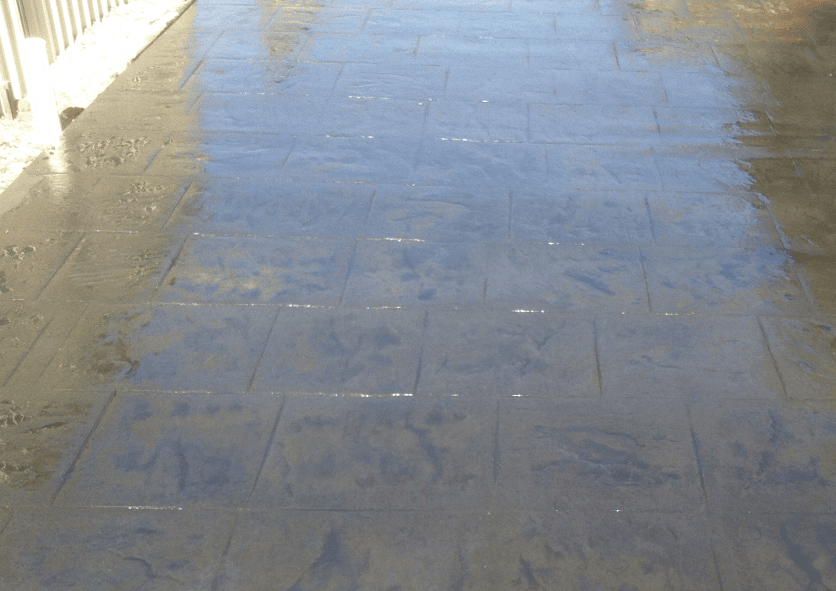
If appearance matters as much as function, exposed aggregate is a solid option. We seed or reveal the natural stone in the mix to create a textured, visually interesting surface. Neighborhoods like Mountain Brook and Vestavia Hills see a fair amount of this work on patios and entry drives where curb appeal is a priority. The finish holds up well outdoors and pairs nicely with the natural stone and landscaping common in those areas. We can also work with stamped patterns or other decorative options depending on your project goals.
Sealing the Slab After Installation
Sealing is one of the more practical steps we take after a slab is finished and cured. A quality concrete sealer helps protect against moisture intrusion, staining, and surface wear. In Birmingham, where humidity and freeze-thaw cycles can stress a slab over time, sealing adds a real layer of protection. We typically recommend waiting through the full 28-day cure period before applying a permanent sealer, though a curing compound can be applied early on to slow moisture loss and support proper strength gain. Products like a lithium silicate densifier work well for interior slabs where you want both hardness and a low-sheen finish.
With the right finish and sealer in place, your slab is set up to handle daily use without much upkeep. How long that slab actually lasts depends on a few key factors worth understanding before your project wraps up.
How Long Does a Concrete Slab Last
A properly installed concrete slab can last 25 to 50 years or more. In some cases, well-built slabs last even longer with minimal issues. That kind of durability is one of the reasons we recommend concrete for so many projects, from garage floors in Hoover to patio slabs in Mountain Brook and shed foundations throughout Trussville and Vestavia Hills.
Expected Lifespan with Proper Installation
When we follow sound practices from the start, a slab has a strong chance of reaching its full lifespan. That means starting with proper construction site preparation, including grading, removing weak soil, and compacting a solid base, usually a 6-inch granular base of crushed limestone or #57 stone. From there, we select the right concrete mix for your project. Most residential slabs use 3000 PSI concrete at a minimum, while heavier-use surfaces may call for 4000 PSI or higher.
Reinforcement also matters. We commonly use #4 rebar or wire mesh to help the slab hold together under load. After the pour, curing concrete slabs correctly is one of the most important steps people overlook. A proper 28-day cure period gives the concrete time to reach its intended strength. Rushing this step is one of the most common reasons slabs develop problems early.
Factors That Can Shorten or Extend Slab Life
Birmingham's soil conditions can be hard on concrete. We work regularly with Alabama red clay and expansive clay soils across the Jefferson County and Shelby County areas. These soils shift with moisture changes, which puts stress on slabs over time. Poor drainage considerations during installation make this worse. Water that pools under or around a slab accelerates cracking and settling.
Other factors that shorten slab life include skipping expansion joint installation, using the wrong concrete mix ratios, placing concrete in extreme heat without following guidelines similar to ACI 305R, or failing to protect the slab during cold snaps. On the flip side, slabs last longer when they are properly sealed, have good drainage built in, and were installed with the right slab thickness recommendations for the intended use. A 4-inch slab thickness works for many residential applications, but a 6-inch slab is often a better choice for driveways or areas supporting heavier loads.
Basic Maintenance Tips to Protect Your Investment
Once your slab is in place, a little attention goes a long way. Here are a few things you can do to help it last:
- Keep water from pooling along the slab edges. Make sure the grading around your slab directs water away from the surface.
- Seal the surface every few years. A good concrete sealer helps reduce moisture absorption and surface wear.
- Fill cracks early. Small cracks that go unaddressed tend to grow, especially during Birmingham's wet seasons when water gets in and expands.
- Avoid using harsh deicers if you use the slab in winter. These chemicals can break down the surface over time.
- Keep heavy equipment loads within the load-bearing capacity the slab was designed for. If your needs have changed, talk to us about whether the slab needs reinforcement or replacement.
We have seen slabs fail in as little as 10 years when installation or maintenance corners were cut. We have also seen slabs well into their fourth decade holding up fine because the groundwork was done right from the start. The difference almost always comes down to how the slab was built and how it was cared for afterward.
Before any of that can happen, though, your project needs to go through the right channels. Understanding what permits and inspections are required in Birmingham, AL is an important part of starting your concrete slab project the right way.
Permits and Inspections in Birmingham, AL
If you are planning a concrete slab project in the Birmingham area, permits and inspections are part of the process. We know that paperwork can feel like a hassle, but getting it done right protects you and your property. With over 10 years working in Birmingham, we are familiar with what local offices expect and how to keep your project moving without unnecessary delays.
When a Permit Is Required for a Concrete Slab in Birmingham
Not every slab requires a permit, but many do. In general, if you are pouring a concrete slab foundation for a home, garage, or commercial structure, you will likely need to pull a permit through the City of Birmingham Building Permits Office or Jefferson County Building Permits, depending on where your property sits. Slabs tied to additions, accessory structures, or anything that affects drainage or grading often fall under permit requirements as well.
If your project is in a surrounding area like Hoover, Vestavia Hills, Homewood, or Trussville, the permit process runs through those cities' own building departments. Requirements can vary from one jurisdiction to the next, so we always check before we break ground. Working under a valid Birmingham Building License and carrying our Alabama Contractor License means we already have the standing to pull permits on your behalf in most cases.
How We Handle the Permitting Process
We take the lead on permits so you do not have to figure it out on your own. After we assess your site and confirm the scope of work, we submit the necessary documentation to the appropriate office, whether that is the City of Birmingham Department of Planning Engineering and Permits, the Jefferson County Commission, or another local authority. We include the details that inspectors want to see, such as slab thickness recommendations, drainage considerations, reinforcement plans using materials like #4 rebar, and concrete specifications meeting at least a 3000 PSI minimum compressive strength in line with ACI 301 and Birmingham Building Code standards.
We also account for site-specific conditions. Birmingham sits on some challenging ground. Alabama red clay and expansive clay soils common across the Piedmont Plateau and Valley and Ridge Province can shift with moisture changes, so our permit submissions reflect proper subgrade preparation and base design to support that reality. Getting this right on paper before we pour protects you from compliance issues later.
What to Expect During an Inspection
Inspections typically happen at key stages of the project, often before the pour and sometimes after the slab has cured. An inspector from the relevant permit office will look at things like subgrade compaction, slab-edge forms, reinforcement bar placement, and whether expansion joint installation is planned correctly. They may also check that drainage considerations have been addressed so water moves away from the structure.
We schedule inspections around the project timeline so there are no long waits between stages. If an inspector has questions, we are on site to answer them. Our familiarity with local code means we rarely run into surprises during this step. Once the inspection is cleared and the slab meets the 28-day cure period requirements, your project is ready to move forward with confidence.
Understanding the permit and inspection side of a slab project is one part of what makes a qualified contractor worth hiring. The next step is finding the right team for the job itself, and that is where our work and experience speak for themselves.
Why Work With Us for Your Concrete Slab Project
Our Experience Pouring Concrete Slabs in Birmingham and Surrounding Areas
We have over 20 years of combined experience pouring concrete, including more than 10 years working right here in Birmingham and the surrounding communities. We have worked on projects across Hoover, Vestavia Hills, Trussville, Homewood, Mountain Brook, and many other neighborhoods throughout Jefferson and Shelby Counties. That means we understand the local soil conditions, drainage challenges, and building requirements that come with working in this area. Birmingham's Alabama Red Clay and expansive clay soils are known to shift and settle, especially after heavy rains. We factor that into every slab we pour, from construction site preparation all the way through curing concrete slabs properly so they hold up over time.
How We Approach Each Project From Start to Finish
We start by assessing your site before anything gets poured. That includes checking soil stability, grading, and drainage considerations that could affect how your slab performs down the road. We set slab-edge forms carefully and use the right base material, typically a compacted crushed limestone base, to give the slab a solid footing. For most residential projects, we work with 4-inch or 6-inch slab thickness depending on the load it needs to carry, and we use at least 3000 PSI concrete that meets or exceeds local standards. We place reinforcement bars or wire mesh to help control cracking, and we handle expansion joint installation to allow for natural movement. Once the concrete is down, finishing concrete surfaces correctly and following a proper cure period are just as important as anything that came before. We pull Jefferson County Building Permits and follow Birmingham Building Code requirements on every job.
What Sets Us Apart From Other Local Concrete Contractors
We do not cut corners on materials, prep work, or labor. Cheap bids often skip steps that matter, like proper base compaction, correct concrete mix ratios, or adequate reinforcement. Those shortcuts tend to show up later as cracks, settling, or water problems that cost more to fix than the original job. We use quality materials sourced from reliable local suppliers and follow ACI 302.1R guidelines for flatwork. We carry proper licensing and insurance, and we are familiar with permit offices across the area, including the City of Birmingham Building Permits Office and Shelby County Building Permits. When you hire us, you get a crew that treats your project with the same care we would give our own property. The next section will bring everything together so you know exactly what to expect when you reach out to us.
Ready to Move Forward With Your Concrete Slab Project?
What You Get When You Hire the Right Concrete Contractor
Getting a concrete slab installed the right way takes more than just pouring and finishing. It takes real experience, the right materials, and a crew that understands how to handle everything from construction site preparation to curing concrete slabs in Birmingham's unpredictable weather. That is exactly what we bring to every job we take on across the area, whether you are in Hoover, Vestavia Hills, Trussville, or anywhere else nearby.
Here is a quick look at what you can count on when you work with us:
- Over 20 years of combined experience pouring concrete and more than 10 years working specifically in the Birmingham area
- Proper site prep that accounts for Alabama Red Clay, Expansive Clay Soils, and other local ground conditions that can cause settling or cracking if ignored
- Correct slab thickness recommendations based on your project, whether that means a 4-inch slab for a patio or a 6-inch slab for a garage or light commercial space
- The right concrete mix for your needs, including 3000 PSI or 4000 PSI mixes with reinforcement like #4 Rebar or Fibermesh for added strength and load-bearing capacity
- Reliable drainage considerations built into every job to help your slab perform well through Birmingham's heavy rain and humidity
- Proper expansion joint installation and finishing to help reduce cracking over time
- Work that meets Birmingham Building Code requirements and is done with the proper permits through the City of Birmingham Building Permits Office or Jefferson County Building Permits, depending on your location
- Protection for you through licensing and insurance, so you are not left holding the bag if something goes wrong
- A workmanship standard built around doing the job right the first time, because fixing a bad slab almost always costs more than pouring a good one
Get Your Free Quote or Schedule an On-Site Estimate in Birmingham, AL
Whether you need a concrete slab foundation for a new build, a garage floor, a backyard patio, or a driveway, we are ready to take a look at your project and give you a straightforward quote at no cost to you. We serve homeowners and property owners throughout Birmingham and the surrounding communities, and we make it easy to get started. Use the form below or give us a call to schedule your free on-site estimate today.
Birmingham AL Concrete
3301 Lorna Rd
Birmingham, AL 35216
Business Hours
| Mon | 8:00 AM – 7:00 PM |
| Tue | 8:00 AM – 7:00 PM |
| Wed | 8:00 AM – 7:00 PM |
| Thu | 8:00 AM – 7:00 PM |
| Fri | 8:00 AM – 7:00 PM |
| Sat | 9:00 AM – 6:00 PM |