Industrial Concrete Services in Birmingham
Birmingham Industrial Concrete Services Done Right
Service Area Coverage Across Birmingham, AL and Surrounding Industrial Corridors
We provide industrial concrete solutions throughout Birmingham, AL and the surrounding areas, including Bessemer, Tarrant, Fairfield, Irondale, and the Jefferson County Industrial Park corridor. Whether your facility sits near Messer Airport Highway, along Interstate 20, or out toward the Birmingham Aeroplex at Bessemer, we can get to your site and get to work. We work with warehouse operators, plant managers, and facility directors across the region on projects of all sizes. If you need reliable concrete services Birmingham AL industrial facilities can count on, we are ready to talk through your project.
Common Pain Points for Industrial Facility Managers Dealing with Failing Concrete
If you manage a warehouse, distribution center, or manufacturing plant, you already know what failing concrete looks like. Forklift traffic creates surface wear. Heavy equipment loads cause cracking and settlement. Joints deteriorate and become trip hazards. Spalled floors slow operations, increase maintenance costs, and create safety risks for your crew. Concrete repair services and full slab replacements are both options, but choosing the wrong approach, or the wrong contractor, often means doing the work twice. We have seen facilities where a low-bid job left them with uneven surfaces, poor drainage, and fresh cracks within the first year. Getting the concrete right the first time is always less expensive than fixing it later.
Local Knowledge: Birmingham Soil Conditions, Climate Effects, and Industrial Districts We Know Well
Birmingham's geology creates real challenges for industrial concrete work. Birmingham Red Clay and expansive clay soils shift with moisture changes, especially after heavy rain. In areas near the Cahaba River or Village Creek, alluvial soils can be compressible and unpredictable under load. Karst topography and Jefferson County Limestone beneath some industrial sites mean subgrade conditions can vary even within a single slab pour. We check CBR subgrade bearing values and carry out proper industrial site preparation before any concrete goes down. We also account for Alabama's heat and humidity when planning pours, following ACI 305 guidelines for hot weather concreting to protect mix quality and finish. With over 20 years of combined concrete experience and more than 10 years working specifically in the Birmingham area, we know these conditions well. That local knowledge shapes every decision we make on a job site.
Frequently Asked Questions From Birmingham Industrial Clients
What thickness do industrial slabs typically need? Most heavy-duty industrial floors call for at least a 6 inch slab thickness, with mix designs reaching 4000 PSI or 5000 PSI compressive strength depending on load requirements. We size the slab to your actual equipment and traffic patterns, not a generic spec.
What reinforcement do you use for industrial floors? We use concrete reinforcement appropriate to the job, including Rebar Grade 60, welded wire reinforcement, and steel fibers where impact resistance is a priority. A Hilti PS 300 Ferroscan helps us evaluate existing reinforcement on repair and remediation work.
Do you handle permits and code compliance? Yes. We work within the requirements of the City of Birmingham Building Permits Office and Jefferson County Building Permits Department. Our work follows ACI 301, ACI 302, and ACI 318 standards, and our team holds certifications including ACI Flatwork Technician and OSHA 30 Construction.
Can you work around our operating schedule to reduce downtime? We plan pours and concrete flooring installation sequences around your facility's schedule as much as possible. Minimizing disruption to your day-to-day operations is part of how we manage every industrial project. Understanding what services are included in an industrial concrete scope helps us plan that schedule from the start.

What Industrial Concrete Services Include
How Industrial Concrete Differs From Residential or Light Commercial Work
Industrial concrete work is a different animal compared to pouring a driveway or a small retail floor. The loads are heavier, the stakes are higher, and the margin for error is much smaller. A residential slab might need to support a car or a lawnmower. An industrial slab needs to hold up forklifts, heavy machinery, and constant traffic day after day without cracking or settling. That requires a more deliberate approach to everything from industrial site preparation to mix design to finishing.
We use mixes built for strength, often in the range of 4000 to 5000 PSI compressive strength, along with proper reinforcement like Rebar Grade 60 or steel fibers depending on the application. We also account for Birmingham's soil conditions, including expansive clay and weathered limestone, which can shift or settle under industrial loads if the subgrade is not properly prepared and compacted. Skipping steps here leads to cracking, uneven surfaces, and expensive repairs down the road.
Types of Industrial Facilities We Work With in Birmingham
We work with a wide range of industrial operations across the Birmingham area. That includes warehouses and distribution centers along corridors like Interstate 20 and Interstate 65, manufacturing plants, food processing facilities, auto repair and fleet service operations, and heavy industrial sites similar to those near the Jefferson County Industrial Park and Birmingham Industrial Center. We have also worked on projects near the Birmingham Aeroplex at Bessemer and in communities like Tarrant, Fairfield, and Irondale where industrial development is active.
Each facility type has its own demands. A food processing plant may need surfaces that resist moisture and chemicals and are easy to clean. A warehouse needs a flat, joint-controlled floor that keeps forklifts running smoothly. A loading dock needs heavy-duty concrete pavement that can take repeated impact from trucks and equipment without deteriorating. We understand these differences and plan accordingly.
Overview of the Scope and Scale of Industrial Concrete Projects
Industrial concrete projects are larger in scale and more involved than most residential or light commercial work. A single pour might cover thousands of square feet and require coordinated crews, a Somero S-940 Laser Screed for precision flatness, and concrete pumping solutions to move material efficiently across a large site. Depending on the project, we may handle concrete formwork services, reinforcement layout, vapor barrier installation, joint design, and surface finishing all as part of the same scope.
We also handle concrete repair services and concrete remediation for facilities that are dealing with existing damage, surface deterioration, or structural concerns. Whether the project is a new installation or work on an existing facility, we follow applicable standards including ACI 302 and ACI 117 to make sure the work holds up under real industrial conditions. With over 20 years of combined concrete experience and more than 10 years working right here in Birmingham, we know what these projects require from start to finish.
Once the groundwork, planning, and site preparation are in place, the most critical element of any industrial project comes down to the slab itself.
Industrial Concrete Slabs
What Makes an Industrial Slab Different from a Standard Concrete Pour
Not all concrete work is the same. A residential driveway and an industrial slab might both be made from concrete, but they are built for very different demands. When we pour slabs for warehouses, manufacturing plants, or distribution centers around Birmingham, the process involves a lot more planning and precision than a typical residential job. Industrial concrete solutions have to hold up under forklifts, heavy equipment, constant traffic, and point loads that would destroy a standard pour in short order. We take into account soil conditions specific to this area, including Birmingham Red Clay and Expansive Clay, which can shift and settle in ways that stress a slab over time. Before we ever pour, we look at subgrade bearing capacity, drainage patterns, and how the facility will actually be used day to day.
Thickness, Reinforcement, and Load Requirements for Heavy Equipment
Industrial slabs generally start at 6 inch slab thickness and often go deeper depending on the equipment they need to support. We typically design mixes to reach 4000 PSI or 5000 PSI compressive strength, using materials like Type I/II Portland Cement and Fly Ash Class F to improve durability and workability. Concrete reinforcement is not optional on jobs like these. We use Rebar Grade 60, often placed at #5 Rebar at 12 inch OC, along with Welded Wire Reinforcement and Steel Fibers where additional crack resistance is needed. A 6 mil Vapor Barrier goes down before the pour to protect against moisture migration from below, which is a real concern near areas with Cahaba River Alluvial Soil or low-lying sites along Five Mile Creek. Control joints are placed at consistent spacing to guide any shrinkage cracking away from high-stress zones. Tools like the Somero S-940 Laser Screed help us hold tight tolerances on flatness and levelness, which matters when forklifts are moving loads across the surface all day.
Common Slab Failures in Older Birmingham Industrial Facilities
Birmingham has a lot of older industrial buildings, especially around areas like Fairfield, Ensley, and near the Jefferson County Industrial Park. Many of those slabs were poured decades ago under different standards, with thinner designs, minimal reinforcement, and little attention to subgrade prep. Over time, we see the results: cracking, corner curling, surface scaling, and uneven settlement. Concrete repair services can address some of these problems, but in many cases the underlying issues, like Shale Subgrade erosion or voids caused by Karst Topography, require more involved concrete remediation before any surface repair will hold. We have seen facilities along Interstate 20 and Interstate 59 where repeated forklift traffic has caused joint spalling so severe that it creates safety hazards for employees. Catching these issues early, or building the slab right the first time, saves a lot of money and downtime down the road.
Once you have a solid slab underneath you, the next layer of performance comes from the floor system built on top of it. That is where industrial concrete floors come in.
A few years back, we took on a job at a large warehouse facility off Messer Airport Highway in Birmingham. The client needed us to pour a heavy-duty industrial concrete floor that could hold up to constant forklift traffic and heavy equipment loads. It seemed straightforward at first, but things got complicated fast.
About two days before the pour, we got word that a section of the existing subbase had soft spots we had not accounted for in our initial walkthrough. In Birmingham, the clay-heavy soil can shift and settle in ways that catch you off guard, especially in older industrial areas. If we had poured over those soft spots, the slab would have cracked under load within months. That was not an option for us or for our client.
We stopped everything, brought in extra equipment, and spent a full day regrading and compacting the subbase properly. We also adjusted our concrete mix to add more strength where the floor would take the heaviest loads. It cost us extra time and pushed the schedule back by two days, but we knew it was the right call.
When the pour finally happened, it went smoothly. The floor cured evenly and has held up well over the years. That job reminded us why experience matters so much on industrial projects. With over 20 years of combined concrete experience and more than a decade working right here in Birmingham, we have learned to slow down when something does not look right rather than push through and create a bigger problem later. Your project deserves that same level of care.
Industrial Concrete Floors
When your warehouse, plant, or distribution facility runs on concrete floors, the quality of that slab affects everything from forklift performance to employee safety. We have spent over 20 years pouring concrete and more than 10 years working on industrial concrete solutions across Birmingham, AL and the surrounding area. We know what it takes to build a floor that holds up under real industrial demands.
Floor Flatness and Levelness Standards for Warehouses and Plants
Not all concrete floors are built the same. In industrial settings, floor flatness and levelness are measured using F-numbers, a system defined under ACI 302. The Ff number measures flatness, and the Fl number measures levelness. Higher numbers mean a more precise floor. For standard warehouse use, most facilities need at least an Ff 35 and Fl 25. Defined traffic aisles used by narrow-aisle forklifts often require much higher tolerances, sometimes Ff 50 or greater.
Getting these numbers right starts long before the concrete is poured. Industrial site preparation matters more than most people realize. Here in Birmingham, we deal with challenging soil conditions including expansive clay, saprolite, and areas with weathered limestone close to the surface. We evaluate subgrade bearing capacity using CBR subgrade bearing tests and compact subgrade to 18-inch depths when needed. A vapor barrier, typically a 6 mil polyethylene sheet, goes down before the pour to protect the slab from ground moisture.
We typically pour industrial floors to a 6-inch slab thickness using a 4000 PSI or 5000 PSI mix design. We use a Somero S-940 Laser Screed to achieve consistent elevation across large floor areas. Reinforcement with #5 rebar at 12-inch on-center or welded wire reinforcement is selected based on your specific load requirements. Control joints are cut at appropriate spacing to manage shrinkage cracking, and our crews follow ACI 308 curing procedures to protect the slab through the 28-day cure period.
Surface Treatments, Sealing, and Finishing Options for Industrial Use
Once the slab is placed and cured, the surface finish you choose will affect how the floor performs for years. We offer several options depending on your operation's needs.
A burnished finish using an Allen Engineering ride-on trowel creates a dense, hard surface well suited for general manufacturing and warehousing. For facilities that want added durability and easier cleaning, a lithium silicate densifier or the Ashford Formula can be applied to harden the surface and reduce dusting. These penetrating treatments work by reacting with the concrete itself rather than sitting on top of it.
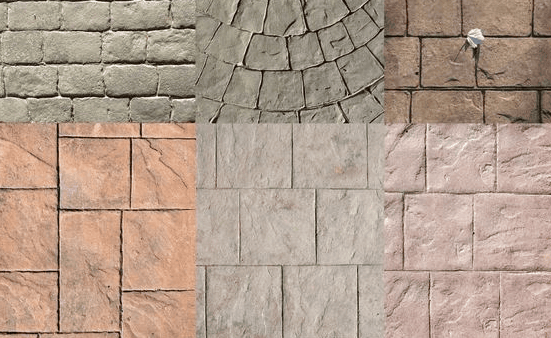
Some facilities benefit from decorative concrete finishes that also serve a functional purpose, such as color-coded floor zones for safety or polished surfaces in food-handling areas that make sanitation easier. We can also apply epoxy or polyurethane coatings where chemical exposure is a concern. Each option has trade-offs in cost, maintenance, and performance, and we walk you through what makes sense for your specific use case before any work begins.
Moisture, Chemical, and Abrasion Resistance in Industrial Floor Design
Industrial floors face constant stress from heavy loads, forklift traffic, chemical spills, and moisture. Building resistance to these forces into the slab from the start is far more effective than trying to address them after the fact.
Moisture control begins at the design stage. A properly installed vapor barrier beneath the slab, combined with a low water-cement ratio of 0.45 or less, reduces the amount of water that moves through the concrete over time. For facilities near areas with high water table conditions, such as those near the Cahaba River corridor or low-lying industrial zones along Valley Creek, we take extra steps to address hydrostatic pressure using products like Xypex Crystalline Waterproofing where appropriate.
Chemical resistance depends on the type of exposure your floor will see. For facilities that handle oils, fuel, or mild acids, we recommend a sealed surface with a chemical-resistant topcoat. For more aggressive environments, a properly specified mix using silica fume or fly ash Class F can reduce permeability and improve resistance at the concrete level itself.
Abrasion resistance is closely tied to mix design and finishing. A harder, denser surface resists wear from forklift tires, pallet jacks, and foot traffic. Adding steel fibers or polypropylene fibers to the mix also helps reduce surface cracking under repeated impact loads. Our team holds ACI Flatwork Technician certification and we follow ACI 302 and ACI 301 standards on every industrial floor pour to make sure the finished product performs the way you need it to.
A well-built industrial floor is the foundation for everything else happening in your facility. That same attention to structural performance and load management carries directly into the next area we work on for industrial clients: loading docks and approach aprons.
Loading Docks and Approach Aprons
Loading docks and approach aprons take more punishment than almost any other concrete surface at an industrial facility. Trucks pull in and out constantly, trailer tandems grind across the edge of the apron, and forklift traffic crosses the transition zone dozens of times a day. If you operate a warehouse, distribution center, or manufacturing plant near areas like the Jefferson County Industrial Park or along Interstate 20 and Interstate 59, you already know how fast a poorly built dock can deteriorate.
Why Loading Dock Concrete Takes a Beating and What We Do About It
The damage at loading docks is not random. It follows predictable patterns. The apron edge where trailer tires repeatedly contact the surface experiences what engineers call impact loading, and over time that repeated stress causes spalling, cracking, and settlement. We have seen this at facilities across Birmingham, from Bessemer to Irondale, and the cause is almost always the same: the original concrete was not designed for the actual loads it would face.
We approach loading dock concrete as a structural problem, not just a paving job. That means we look at subgrade conditions first. Birmingham-area soils often include expansive clay and Birmingham Red Clay, both of which shift with moisture changes. If the subgrade beneath your dock apron is not properly compacted and stable, the slab above it will eventually move. We address this with thorough industrial site preparation, including subgrade compaction verified against CBR subgrade bearing requirements before we ever pour a yard of concrete.
For the concrete itself, we typically specify a 5000 PSI compressive strength mix design for dock aprons, reinforced with rebar Grade 60 at appropriate spacing for the load class. We also use fiber reinforcement, including steel fibers or polypropylene fibers depending on the application, to improve impact resistance and reduce surface cracking. Concrete pumping solutions using equipment like a Putzmeister or Schwing concrete pump let us place material efficiently in tight dock areas without compromising mix quality.
Proper Design for Heavy Truck Traffic and Repeated Impact Loading
Designing a dock apron for heavy truck traffic means accounting for more than just the weight of a loaded trailer. You have dynamic loads from braking and acceleration, thermal expansion and contraction through Birmingham's seasonal temperature swings, and the repeated edge stress where trailer tires land on the same spot day after day.
We place control joints at 10-foot spacing in most dock slab configurations, and we use joint filler backer rod with appropriate sealant to keep those joints functional. A 6-inch slab thickness is common for standard dock aprons, though heavier use cases may call for more. We follow ACI 302 guidelines for industrial floor design and reference ACI 318 where structural requirements apply.
Finishing matters here too. The surface needs to be level enough for safe forklift transition but textured enough to maintain traction for pedestrians and equipment operators. We use ride-on trowel equipment from Allen Engineering along with laser screed technology to hit the flatness tolerances that industrial operations require. Where moisture is a concern, we install a 6 mil vapor barrier beneath the slab to protect against ground moisture migration that can weaken the subgrade over time.
Repair Versus Replacement Decisions for Damaged Dock Areas
One of the most practical questions we help facility managers work through is whether a damaged dock area needs to be repaired or fully replaced. There is no single answer, and we do not push one direction over the other. We look at the actual condition of the slab using tools like the Hilti PS 300 Ferroscan to assess rebar condition and the Proceq Profometer to evaluate concrete cover and structural integrity.
If the damage is surface-level, spalling, or limited to joint edges, concrete repair services using products like SikaTop 122 Plus or MasterEmaco can restore function without a full tear-out. For deeper structural cracks, settlement, or widespread delamination, concrete remediation that involves removing and replacing the affected sections is usually the more cost-effective path over the long run. Patching structurally compromised concrete rarely holds up under dock conditions and often costs more over time than doing the job right the first time.
We work to minimize disruption to your operations during any dock repair or replacement project. That means planning pour sequences around your shipping schedule and staging work in phases when a full dock shutdown is not possible. With over 20 years of combined concrete experience and more than 10 years working across the Birmingham area, we understand that downtime at a loading dock is not just an inconvenience. It has real operational and financial consequences for your facility.
Once your dock aprons and approach slabs are solid and performing correctly, the next area that deserves the same level of attention is what sits beneath your entire facility. Industrial foundations carry every load your operation places on the structure above them, and getting that work right from the start is what we will cover next.
Industrial Foundations
When it comes to industrial concrete solutions in Birmingham, the foundation is where everything starts. Whether we are working near the Jefferson County Industrial Park, out along Interstate 20, or at a facility closer to Bessemer or Tarrant, we approach every foundation project with the same care. With over 20 years of combined experience pouring concrete and more than 10 years working specifically in the Birmingham area, we understand what it takes to build foundations that hold up under real industrial demands.
Foundation Types Used in Birmingham Industrial Construction
Industrial facilities in Birmingham rely on several types of foundations depending on the structure, load requirements, and site conditions. Spread footings are common for column and wall support where soil bearing capacity is adequate. Mat foundations distribute heavy loads across a wider area and are often used in warehouses and manufacturing plants where point loads are significant. Drilled piers go deeper into stable material when surface soils cannot support the required loads. Each of these approaches ties into the broader scope of industrial concrete solutions we provide, and the right choice depends on a careful site evaluation before any concrete is placed.
For most industrial projects, we design to meet ACI 318 and ACI 301 standards. Mix designs typically call for 5000 PSI compressive strength concrete using Type I/II Portland Cement, with Rebar Grade 60 placed at appropriate spacing based on structural engineering requirements. Where moisture is a concern, we use a 6 mil vapor barrier and may incorporate Xypex Crystalline Waterproofing for added protection against groundwater intrusion.
Soil Conditions in the Birmingham Area That Affect Foundation Design
Birmingham's geology creates real challenges for foundation work. The area sits on a mix of Birmingham Red Clay, Weathered Limestone, and Karst Topography in some zones, particularly in parts of Jefferson County. Karst conditions mean there can be voids or unstable pockets beneath the surface, which is something we always account for during industrial site preparation. In lower-lying areas near the Cahaba River or Village Creek, Cahaba River Alluvial Soil and Compressible Fill can create settlement risks if not properly addressed.
Expansive Clay is another common issue in this region. As the soil absorbs and releases moisture through the seasons, it can shift and stress foundations that were not designed to handle that movement. Piedmont Residual Soil and Saprolite, found in parts of eastern Jefferson County and areas toward Trussville and Irondale, also require careful evaluation of CBR Subgrade Bearing values before we finalize any foundation design. We conduct thorough site assessments and work with geotechnical data to make sure the subgrade is prepared and compacted correctly, typically to an 18 inch subgrade compaction depth, before any concrete is placed.
Equipment Pads and Machinery Foundations for Heavy Industrial Use
Heavy machinery, compressors, presses, generators, and other industrial equipment require foundations that go beyond a standard slab. These pads must handle static loads, dynamic vibration, and in some cases, significant impact forces. We design equipment pads using concrete reinforcement that matches the specific load profile of the machinery, often using #5 Rebar at 12 inch OC combined with Steel Fibers or Polypropylene Fibers in the mix for added toughness.
For facilities where large pours are involved, we rely on concrete pumping solutions using equipment like the Putzmeister or Schwing concrete pump to place material accurately and efficiently, even in tight or confined areas of a plant floor. The Somero S-940 Laser Screed helps us achieve the flat, level tolerances that industrial equipment pads require. We follow ACI 302 for floor and slab construction and use admixtures like Sika ViscoCrete or Master Glenium to control the water-cement ratio and workability without compromising strength.
Proper curing is critical for equipment pads. We follow ACI 308 curing guidelines and typically observe a 28-day cure period before allowing full equipment loading. Control joints are placed at planned intervals to manage shrinkage cracking, and joint filler backer rod is used to keep joints functional over the long term.
Getting the foundation right from the start is what makes everything above it perform the way it should. When foundations begin to show signs of stress, settlement, or surface failure, the next step is addressing those issues through targeted concrete repair and replacement strategies built specifically for industrial facilities.
We Take the Time to Do Things Correctly
We are a concrete contractor based right here in Birmingham, AL. Our team has over 20 years of combined experience pouring concrete, and we have spent more than 10 years working specifically in the Birmingham area. That means we know the local soil conditions, the weather patterns that affect how concrete cures, and the building standards that apply to projects in this region.
Concrete work is not something you want to redo. When it is done right the first time, it holds up for decades. When it is not, you end up with cracks, settling, and repairs that cost more than the original job. We take the time to do things correctly from the start, whether we are working on a driveway, a patio, a foundation, or a commercial slab.
Over the years, we have worked on projects across Birmingham and the surrounding communities, including Hoover, Vestavia Hills, Homewood, and Trussville. We understand what works in this area and what does not. The red clay soil common throughout Jefferson County, for example, requires careful ground preparation before any concrete is poured. These are the kinds of details that come from real experience, not just reading a manual.
When you reach out to us, you are talking directly with the people who will show up and do the work. We keep things straightforward, give you honest assessments, and make sure you understand what the job involves before anything gets started.
Concrete Repair and Replacement for Industrial Facilities
Industrial concrete takes a beating. Between forklifts, heavy loads, chemical exposure, and years of constant use, even well-built slabs eventually show wear. We have worked on concrete repair and replacement projects across Birmingham for over a decade, and we know how to assess what a slab actually needs before any work begins. Whether your facility is near the Jefferson County Industrial Park or out along Interstate 20, we approach every repair job with the same level of care we give to new pours.
Signs That Your Industrial Concrete Needs Repair or Full Replacement
Some problems are easy to spot. Others take a trained eye. Here are the most common signs we see in industrial settings that tell us concrete needs attention.
Cracking is the most obvious sign, but not all cracks are equal. Hairline surface cracks from normal shrinkage are usually manageable. Wide cracks, cracks that run through the full depth of the slab, or cracks that are growing over time point to something more serious, whether that is a problem with the original mix design, poor subgrade preparation, or settlement beneath the slab. Birmingham Red Clay and Expansive Clay subgrades are common across Jefferson County, and both can shift with moisture changes, putting pressure on concrete from below.
Spalling, which is when the surface of the concrete breaks away in chunks or flakes, often happens when the top layer was finished poorly, when deicers or chemicals have worked into the surface, or when the concrete was not cured long enough. In manufacturing or food-handling facilities, spalling creates sanitation problems and trip hazards for workers.
Uneven surfaces and settled areas are serious in industrial facilities. A floor that is out of level even slightly can affect forklift stability, cause product damage, and create safety risks. If you notice water pooling in areas that used to drain properly, that is often a sign of settlement or slab movement that needs to be addressed.
Joint deterioration is another problem we see often. When control joints or expansion joints break down, they allow water and debris to get beneath the slab, which speeds up damage. In active warehouses and distribution facilities, damaged joints also cause rough transitions that wear out equipment and slow operations.
If your facility shows any of these signs, the right answer is not always full replacement. We can evaluate what is actually happening and give you an honest assessment of whether concrete repair services will do the job or whether a section needs to come out and be replaced entirely.
Repair Methods We Use to Restore Structural Integrity and Surface Performance
We use a range of methods depending on what the concrete actually needs. There is no one-size-fits-all approach to industrial concrete repair, and we do not treat it like there is.
For surface deterioration that has not affected the full depth of the slab, we use proven patching and overlay systems. Products like SikaTop 122 Plus and MasterEmaco are designed for heavy-duty repair situations and bond well to existing concrete when the surface is properly prepared. Surface preparation is not a step we skip. We grind and profile the existing concrete to ensure the repair material bonds correctly and holds up under load.
For full-depth cracks or areas where the slab has lost structural integrity, we use partial or full-depth repair methods. This can involve saw cutting the damaged area using concrete cutting equipment, removing the compromised material, and pouring new concrete to match the strength and thickness of the surrounding slab. We typically work with mixes at 4000 PSI Compressive Strength or higher for industrial settings, using Rebar Grade 60 and fiber reinforcement where load demands require it.
Concrete remediation for joint failure usually means cleaning out the deteriorated joint material, installing new Joint Filler Backer Rod, and applying a fresh sealant that can handle the movement and traffic the joint will see. When joints are placed correctly and maintained, they do a lot of work protecting the rest of the slab.
In cases where subgrade issues are driving the damage, we address the root cause before doing any surface repair. Pouring new concrete over a failing subgrade just delays the same problem. We compact subgrade to proper depth and verify bearing capacity before any new material goes down.
For moisture-related damage, we can apply Xypex Crystalline Waterproofing to protect repaired areas from future water intrusion, which is especially useful in Birmingham facilities where seasonal moisture and groundwater are ongoing concerns.
How We Minimize Downtime During Repairs at Active Facilities
We understand that shutting down a warehouse, plant, or distribution center, even partially, costs money. Our approach to scheduling and sequencing repairs is built around keeping your operations moving as much as possible.
We work in sections. Rather than taking down an entire floor at once, we identify the areas that need the most attention and work through them in a planned sequence. This lets other parts of your facility stay in use while we work.
Timing matters too. We coordinate pour schedules and cure windows to align with your slowest periods. Many industrial concrete repair jobs in Birmingham are done on nights or weekends to avoid conflict with regular operations. We plan this with you in advance so there are no surprises.
Using a Putzmeister Concrete Pump or Schwing Concrete Pump when access is tight allows us to place concrete efficiently without hauling material through active work areas. Equipment like the Somero S-940 Laser Screed helps us finish surfaces quickly and accurately, cutting down the time a section is out of service.
We also pay attention to fast-setting repair materials where appropriate. Type III Portland Cement mixes and certain rapid-set products can reach working strength in a matter of hours rather than days, which matters when you need a dock or aisle back in service quickly.
Good communication throughout the job is part of how we keep things on track. You will always know which areas are off-limits, when they will be back in service, and what comes next. That kind of planning is part of what separates a contractor with real industrial experience from someone who just pours slabs.
Once the repair work is complete and surfaces are restored, attention naturally turns to the structural concrete that holds your facility together, including walls, columns, foundations, and elevated systems that carry the weight of everything above them.
Structural Concrete for Industrial Buildings
When your facility needs structural concrete, the stakes are higher than a typical floor pour. Tilt-up panels, retaining walls, load-bearing foundations, and large structural slabs all require careful planning, the right materials, and crews that understand what they are doing. We have been handling industrial concrete solutions across the Birmingham area for over a decade, and we know the difference between a pour that performs for years and one that causes problems before the year is out.
Tilt-up Panels, Retaining Walls, and Structural Pours Explained
Tilt-up construction is common in warehouses, distribution centers, and manufacturing facilities around areas like Bessemer, Tarrant, and the Jefferson County Industrial Park. We cast large concrete panels flat on the slab, then tilt them into place as the walls of the building. This method is efficient and produces durable, solid walls suited for industrial use. Retaining walls serve a different purpose, holding back soil and managing grade changes on sites where Birmingham's terrain, including areas with expansive clay or shale subgrade, creates pressure challenges. Structural pours for columns, grade beams, and elevated decks require attention to concrete reinforcement details, including Rebar Grade 60 placement and proper cover to protect the steel over time. We typically work with mixes reaching 5000 PSI compressive strength for structural applications, using Type I/II Portland Cement and, where conditions call for it, Silica Fume to tighten the paste and improve durability.
Code Compliance and Engineering Coordination for Structural Work
Structural concrete in Birmingham must meet requirements set by the City of Birmingham Building Permits Office and Jefferson County Building Permits Department, along with standards like ACI 318 and ACI 301. We work alongside structural engineers to make sure our pour schedules, mix designs, and reinforcement layouts match the project drawings and local requirements. Our team holds an Alabama Contractor License and has trained to ACI Field Testing Technician standards, so we know how to document field tests properly using ASTM C94 and ASTM C31 procedures. When coordination between trades matters most, having a concrete crew that understands the permit process and the engineering documents saves time and prevents costly mistakes.
How We Approach Large-Scale Structural Pours in Birmingham
Large structural pours require more than just a big truck showing up. We plan pour sequences in advance, accounting for access on busy corridors like Interstate 20 and Interstate 65, concrete delivery timing from suppliers like CEMEX Birmingham or Vulcan Materials, and equipment staging on site. For high-volume pours, we use concrete pumping solutions with equipment such as a Schwing or Putzmeister concrete pump to place material accurately without overextending crews. We also address Birmingham's soil conditions early. Whether we are working over weathered limestone near the Oxmoor Valley area or dealing with Piedmont Residual Soil in a site closer to Trussville, the subgrade preparation shapes everything above it. A 28-day cure period following ACI 308 curing guidelines is part of every structural pour we manage, not an afterthought.
Once the structural concrete is in place and performing as designed, the next step is putting a clear process around how we manage the full project from start to finish.
Our Process for Industrial Concrete Projects
When you bring us in for an industrial concrete job in Birmingham, we follow a clear process from start to finish. Whether you are running a warehouse near the Jefferson County Industrial Park, a manufacturing plant out toward Fairfield, or a distribution facility along Interstate 20, the steps we take are the same. We plan carefully, use the right materials and equipment, and hold ourselves to the same standards on every job.
Initial Site Assessment and Project Planning
Before we ever mix a bag of cement or schedule a crew, we come out and take a hard look at your site. Birmingham's soil conditions can vary a lot from one location to the next. We deal with everything from Birmingham Red Clay and Expansive Clay to Weathered Limestone and Shale Subgrade on a regular basis. Each of these affects how we prepare the ground, how thick your slab needs to be, and what kind of concrete reinforcement we recommend.
We assess your load requirements, drainage needs, traffic patterns, and access points. From there, we put together a project plan that covers your mix design, subgrade compaction depth, vapor barrier specs, joint layout, and pour sequence. For most heavy industrial floors, we are working with mixes in the 4000 PSI to 5000 PSI range, using materials sourced from suppliers like CEMEX Birmingham or Vulcan Materials Company. We also confirm what permits are needed through the City of Birmingham Building Permits Office or Jefferson County Building Permits Department before work begins.
Crew Size, Equipment, and Project Management for Large-Scale Work
Industrial concrete work is not something you can do with a small crew and a basic setup. Depending on the size of your project, we bring in the right number of people and the right equipment. We use laser screeds like the Somero S-940 to hit tight flatness tolerances across large floor areas, and we rely on concrete pumping solutions through equipment like a Putzmeister or Schwing pump when placement needs to reach areas that a chute cannot handle.
We also coordinate our pour timing carefully. Large pours require a steady supply of ready-mix trucks, precise scheduling, and enough hands on deck to finish the concrete before it gets away from us, especially during Alabama summers when heat can accelerate set times. Our crews are experienced with industrial site preparation, formwork, reinforcement placement, and finishing, so you are not relying on a mix of subcontractors who may not communicate well with each other.
Quality Control Measures During and After the Pour
We take quality control seriously throughout the entire job. During the pour, we test fresh concrete for slump, air content, temperature, and unit weight in line with ASTM standards. We make cylinder breaks at 7 days and 28 days to confirm compressive strength is meeting the design spec. Our team follows ACI 302 guidelines for floor construction and ACI 301 specs for structural concrete to make sure everything is done to a recognized standard.
After the pour, proper curing is one of the most important things we do. We use curing compounds and follow ACI 308 guidelines to protect the surface during the 28-day cure period. Control joints are cut at the right spacing to manage shrinkage cracking before it becomes a problem. If the project calls for concrete cutting services to add control joints or openings after the fact, we handle that too. We also offer concrete repair services and concrete remediation if an existing slab needs attention before new work goes down on top of it.
Timeline Expectations for Industrial Concrete Projects
Industrial concrete projects take time to do correctly. Site preparation, including subgrade compaction and formwork, often takes several days before a single yard of concrete is poured. The pour itself may happen in sections depending on the total square footage. After the pour, the slab needs time to cure before heavy equipment can operate on it.
We give you a realistic timeline upfront and work hard to stick to it. We understand that downtime costs money in a warehouse or plant environment, so we plan pour sequences and crew schedules to keep your operations moving as much as possible. If your facility is active during construction, we work with you on access and phasing to reduce disruptions.
All of this comes down to one thing: the outcome of your industrial concrete project depends heavily on how it is planned and managed. That brings us to why the level of experience behind the crew doing your work matters more than most people realize.
Why Experience Matters in Industrial Concrete Work
Industrial concrete work is not the same as pouring a driveway or sidewalk. When a warehouse floor needs to hold forklifts, heavy pallets, and constant foot traffic, the margin for error gets very small. A slab that fails in a facility near the Jefferson County Industrial Park or along Interstate 20 does not just cost money to fix. It can slow operations, create safety hazards, and lead to expensive downtime. That is why experience matters more in industrial work than almost anywhere else in the trade.
What Over 20 Years of Concrete Experience Brings to Your Project
Over two decades of pouring concrete teaches you things that no training class fully covers. You learn how a mix design behaves differently in summer heat versus a cool Alabama morning. You learn when a 5000 PSI compressive strength mix is worth the added cost and when a well-placed concrete reinforcement layout with #5 rebar at 12-inch spacing makes more difference than the mix itself. You learn how control joints at the right spacing prevent the kind of random cracking that shows up months after a pour and costs facility owners far more to address than it would have cost to get it right the first time. That depth of hands-on knowledge is what we bring to every industrial concrete solutions project we take on.
What Over 10 Years Working in Birmingham Specifically Has Taught Us
Working in Birmingham for over a decade means we have dealt with the local ground conditions that trip up contractors who come in from outside the area. Birmingham Red Clay and expansive clay soils shift with moisture changes in ways that put serious stress on slabs and foundations. Weathered limestone and karst topography beneath parts of Jefferson County create subgrade conditions that require careful evaluation before any pour begins. We have worked near sites like ACIPCO Plant and U.S. Steel Fairfield Works, and we understand what industrial site preparation looks like when the stakes are high. We source materials from local suppliers including CEMEX Birmingham and Vulcan Materials Company, and we work within the permitting process handled by the City of Birmingham Building Permits Office and the Jefferson County Building Permits Department. Knowing this region means fewer surprises on your job.
How Proper Installation Reduces Long-Term Costs for Facility Owners
A properly installed industrial slab, loading dock, or heavy-duty concrete pavement area is not just about strength on day one. It is about performance over years of use. When we follow ACI 302 guidelines for floor construction and ACI 308 protocols for curing, we are making sure the concrete reaches its full potential. When we place a 6 mil vapor barrier under an interior slab and use fiber reinforcement in areas prone to impact, we are addressing problems before they start. Concrete repair services are sometimes necessary, but facilities that are built right from the beginning need far less of them. Proper installation means lower maintenance costs, a longer service life, and a floor that keeps working as hard as your operation does.
Taken together, that experience with the craft, that knowledge of Birmingham, and that commitment to doing the work correctly from the start are what you can expect when you bring us onto your project. In the next section, we will pull these ideas together so you have a clear picture of what working with us looks like from start to finish.
Ready to Move Forward With Your Industrial Concrete Project in Birmingham
After more than 20 years of combined concrete experience and over a decade working right here in Birmingham, we understand what it takes to get industrial concrete right the first time. Cutting corners on a warehouse floor, loading dock, or industrial slab can lead to cracking, settling, and costly repairs down the road. That is why we take every project seriously, from the first site visit to the final cure.
Industrial Concrete Services We Offer in Birmingham, AL
We handle a full range of industrial concrete solutions for facilities across the Birmingham area, including locations near the Jefferson County Industrial Park, the Birmingham Aeroplex at Bessemer, and industrial corridors along Interstate 20 and Interstate 65. Here is a quick look at what we bring to the table:
- Industrial site preparation including subgrade compaction and soil evaluation for Birmingham Red Clay, Expansive Clay, and other local soil conditions
- Concrete flooring installation for warehouses, plants, and distribution facilities using mixes up to 5000 PSI with proper reinforcement
- Heavy-duty concrete pavement and loading dock construction built to handle forklifts and constant traffic
- Concrete formwork services for foundations, walls, and structural pours
- Concrete pumping solutions using equipment like the Putzmeister and Schwing concrete pumps for hard-to-reach pours
- Concrete reinforcement with Rebar Grade 60, welded wire reinforcement, steel fibers, and polypropylene fibers matched to your load requirements
- Concrete repair services and concrete remediation for damaged slabs, spalled surfaces, and deteriorating floors
- Concrete cutting services for control joints, openings, and retrofits using precision equipment
- Shotcrete applications for walls, slopes, and structural repair
- Decorative concrete finishes where appearance matters alongside performance
Why Hiring Us Is the Right Call for Your Project
When you choose us, you get a team that works within ACI 301 and ACI 302 standards, holds an Alabama Contractor License, and follows OSHA 30 Construction safety practices on every job. Here is what that means for you:
- Proper mix design using materials like Type I/II Portland Cement, Fly Ash Class F, and Silica Fume to hit the strength your project needs
- Accurate finishing with equipment like the Somero S-940 Laser Screed for flat, level surfaces that support safe operations
- Correct curing practices under ACI 308 to reduce shrinkage cracks and extend slab life
- Guidance through the permitting process with the City of Birmingham Building Permits Office or Jefferson County Building Permits Department
- Honest project timelines that reduce downtime for your facility
- A crew with local knowledge of Birmingham soil conditions, weather patterns, and code requirements
- Long-term durability that lowers your maintenance costs and protects your investment
- Work you can count on, backed by our experience and accountability
How to Get a Consultation or Quote for Your Industrial Concrete Project
Getting started is simple. Whether you manage a facility near Fairfield, operate a plant in Bessemer, or are planning a new build in Trussville, we are ready to come out, evaluate your site, and put together a quote that fits your project. We work with facility managers, general contractors, and property owners across Jefferson County and the greater Birmingham area. Give us a call or fill out the contact form below to get your free quote today.
Birmingham AL Concrete
3301 Lorna Rd
Birmingham, AL 35216
Business Hours
| Mon | 7:00 AM – 10:00 PM |
| Tue | 7:00 AM – 10:00 PM |
| Wed | 7:00 AM – 10:00 PM |
| Thu | 7:00 AM – 10:00 PM |
| Fri | 7:00 AM – 10:00 PM |
| Sat | 7:00 AM – 10:00 PM |
| Sun | 7:00 AM – 10:00 PM |