Concrete Parking Lots in Birmingham
Concrete Parking Lots Built Right in Birmingham
We serve Birmingham, AL and surrounding areas for concrete parking lot work
We provide concrete parking lot services throughout Birmingham, AL and the surrounding communities, including Hoover, Homewood, Vestavia Hills, Mountain Brook, Irondale, and beyond. Whether your property sits near US Highway 280, Interstate 65, or out toward Lakeshore Parkway, we can get to you. We typically respond to estimate requests within one to two business days and work with commercial property owners, apartment complexes, retail centers, and industrial sites of all sizes.
If your parking lot has cracks spreading across the surface, potholes forming near drive lanes, low spots where water pools after rain, or an old asphalt surface that just keeps needing attention, you are not alone. These are some of the most common problems we hear about from property owners across the Birmingham area. Patching things over and over gets expensive, and the results rarely last. At some point, the smarter move is a surface built to hold up for the long run. That is where concrete pavement comes in, and understanding the full range of commercial concrete pavement benefits can help you make a better decision for your property.
Birmingham's soil conditions add a layer of complexity that not every contractor understands. Much of the area sits on red clay soils and expansive clay common to Piedmont geology. These soils shrink and swell with moisture changes, which puts stress on pavement from below. We have spent over 10 years working in Birmingham and know firsthand how the ground behaves in neighborhoods like Ensley, Roebuck, Woodlawn, and Eastlake. We also account for the city's hot summers and the heavy rainfall that drains into systems near Village Creek and Shades Creek. That local knowledge shapes how we approach every parking lot project we take on here.
Common problems with aging or damaged parking lots
Most parking lot problems do not appear overnight. They build up over time, and the early warning signs are easy to ignore until the damage becomes serious. Here are some of the most common issues we see on commercial and industrial properties across Birmingham.
- Cracking and joint failure: Random cracks or failed control joints allow water to get under the slab, weakening the base and making the problem worse with every rain.
- Potholes and surface deterioration: Once the surface breaks down, loose material, rough edges, and uneven spots become a safety risk for vehicles and pedestrians.
- Poor surface drainage: Flat or improperly graded lots hold water, which accelerates wear and can create slip hazards and long-term erosion under the slab.
- Rutting and soft spots: Common in asphalt lots, especially during Birmingham's hot summers, where the surface softens under heavy vehicle loads.
- Worn striping and unclear layout: Faded lines, missing ADA markings, and confusing traffic flow patterns create both safety concerns and compliance risks.
Concrete repairs and concrete resurfacing can address some of these issues when the underlying structure is still sound. But when the base is compromised or the damage is widespread, a full replacement with properly placed heavy-duty concrete is usually the more cost-effective path over time.
What we know about Birmingham soil, weather, and local conditions
Working in Birmingham for over a decade has taught us things you simply cannot learn from a textbook. The shrink-swell soil behavior common to much of Jefferson County means subgrade preparation is not something to rush. We run Proctor compaction tests, evaluate the CBR value of the soil, and determine whether subgrade stabilization is needed before we ever pour. Skipping those steps is one of the main reasons parking lots fail prematurely in this region.
Birmingham's weather also plays a real role in how we design and build. Summer heat means we pay close attention to concrete mix timing, water-cement ratios, and curing to prevent surface damage. We use materials sourced locally, including aggregate from Vulcan Materials Company, and we specify mixes that are suited to Alabama's climate. For lots that need to handle heavy truck traffic or delivery vehicles, we typically design for a 6-inch slab thickness or greater, with 4000 psi compressive strength as a baseline, and adjust from there based on load requirements.
We also stay current with permitting requirements through the City of Birmingham Building Permit Office and Jefferson County Permits and Inspections. Whether your property is in a busy commercial corridor near Riverchase Galleria or a smaller industrial site off Messer Airport Highway, we know what the process looks like and how to keep your project moving without unnecessary delays.
Frequently asked questions about concrete parking lots in Birmingham, AL
How long does a concrete parking lot last compared to asphalt?
When built correctly, a concrete parking lot can last 30 years or more with minimal maintenance. Asphalt typically requires more frequent repairs and resurfacing, especially in hot climates like Birmingham where summer temperatures can soften the surface under heavy loads. The asphalt vs concrete comparison often comes down to upfront cost versus long-term performance, and concrete tends to win on durability and total cost over time.
Can you repair or resurface my existing parking lot instead of replacing it?
It depends on the condition of the base. If the subgrade is intact and the damage is limited to the surface, concrete resurfacing or targeted concrete repairs may be a reasonable option. We will assess the lot before recommending anything.
Do you handle drainage and ADA layout as part of the project?
Yes. Proper surface drainage and ADA-compliant design are part of how we approach every parking lot project. We design for slope, water movement, and accessible routes from the start, not as an afterthought.
What permits are needed for a commercial parking lot in Birmingham?
Most commercial parking lot projects in Birmingham and Jefferson County require permits through the City of Birmingham Building Permit Office or Jefferson County Permits and Inspections, depending on the property location. We handle the permit coordination as part of our process.
Now that you have a sense of who we are and what we deal with in this area, it helps to understand exactly what a concrete parking lot is, how it is built, and what sets a quality installation apart from one that will need attention in just a few years.
What Is a Concrete Parking Lot
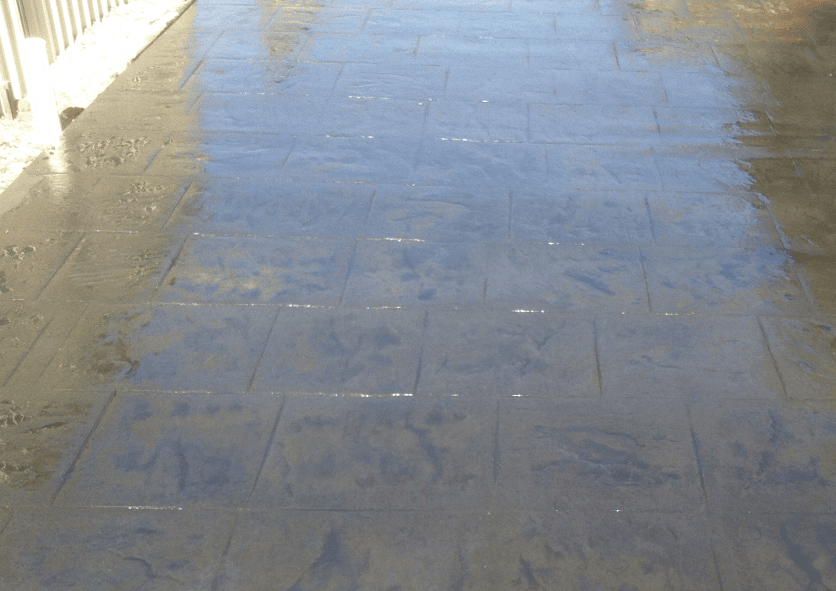
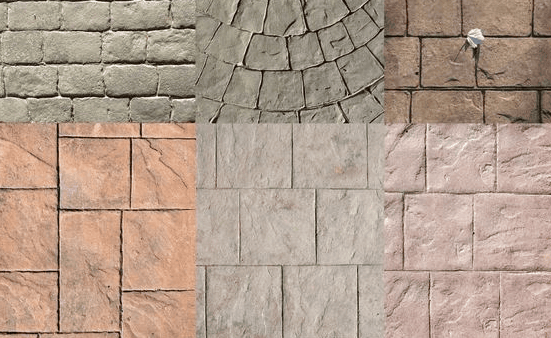
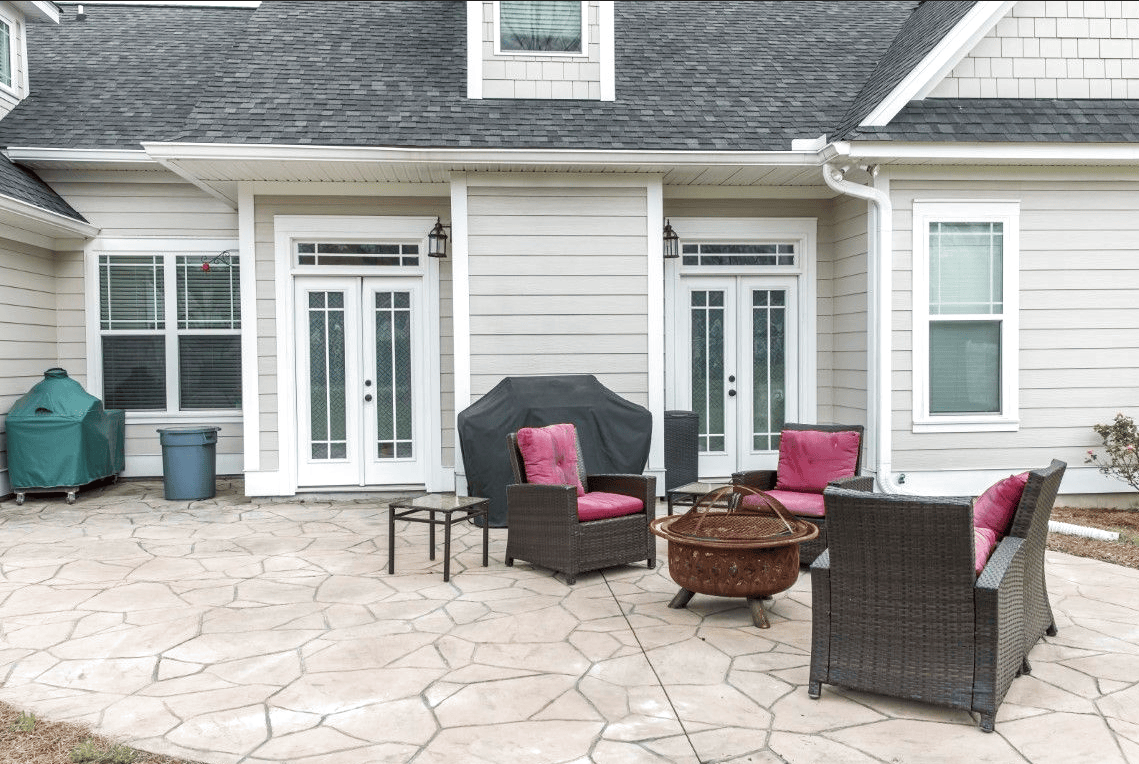
A concrete parking lot is a paved surface made from a mixture of cement, water, and aggregate that hardens into a solid, load-bearing slab. Unlike flexible pavements, concrete is a rigid material. That means it distributes vehicle weight across the slab rather than letting it press down into the ground below. For commercial and industrial properties in Birmingham, that distinction matters a lot. We use mixes designed to meet 4000 psi compressive strength or higher, with slab thicknesses ranging from a 6-inch slab thickness for standard commercial lots up to an 8-inch slab for heavy truck traffic areas. The base preparation, reinforcement, and curing all play a role in how well the finished lot performs over time.
How Concrete Parking Lots Differ from Asphalt and Gravel
When weighing asphalt vs concrete, the core difference comes down to how each material handles stress and heat. Asphalt is a flexible surface that softens in high temperatures, which is a real concern during Birmingham summers. That softening can lead to rutting in drive lanes and parking stalls, especially where delivery trucks sit for extended periods. Gravel offers almost no structural support by comparison and requires ongoing regrading to stay usable. Concrete pavement stays rigid in the heat, holds its shape under load, and does not require the same frequency of resurfacing or patching that asphalt typically does over a 20 to 30 year period.
Types of Properties That Use Concrete Parking Lots
We work on parking lot construction for a wide range of property types across Birmingham and the surrounding area. Retail centers near US Highway 280, apartment complexes in Hoover and Vestavia Hills, warehouses along Interstate 20 and Interstate 59, and light industrial facilities in Irondale and Eastlake all benefit from heavy-duty concrete surfaces. Medical offices near the UAB Campus, churches, and distribution centers with regular semi-truck traffic are strong candidates as well. Anywhere you have consistent vehicle traffic, load-bearing demands, or a need for a clean and organized surface, concrete is worth considering.
How Concrete Holds Up Under Heavy Vehicle Traffic
Concrete's load-bearing capacity is one of its biggest practical advantages. A properly built slab with the right subgrade compaction, a solid crushed stone sub-base, and reinforcement such as Rebar Grade 60 or Welded Wire Reinforcement can handle repeated passes from heavy vehicles without deforming. Birmingham's red clay soils can shift and expand with moisture, so subgrade stabilization and a well-prepared base are not optional steps for us. We follow ACI 330R guidelines for parking lot design, which helps ensure joints, drainage, and slab thickness all work together. Surface drainage is also built into the design from the start, because standing water is one of the fastest ways to shorten the life of any pavement.
Even a well-built concrete lot will show wear over time. Knowing what to look for early can save you from a much larger repair or replacement job down the road.
Signs You Need a New or Repaired Concrete Parking Lot
Over time, even a well-built parking lot will show wear. Knowing what to look for can help you decide whether you need concrete repairs or a full replacement before small problems turn into bigger ones. We have worked on parking lots across Birmingham for over a decade, and the warning signs tend to follow a familiar pattern.
Cracks, Potholes, and Uneven Surfaces
Surface cracks are often the first thing property owners notice. Some hairline cracks are normal, but when cracks widen, multiply, or start to heave, the slab is usually telling you something about what is happening underneath. Birmingham sits on red clay soils and shrink-swell soil that shift with moisture changes, which puts stress on concrete slabs over time. Potholes and uneven surfaces go beyond appearance. They create trip hazards, cause vehicle damage, and can expose you to liability on your property.
Drainage Problems and Water Pooling
If you see standing water after a rain, the lot likely has a slope or surface drainage issue. Poor drainage is one of the leading causes of slab failure. Water that sits on or under a slab works its way into joints and cracks, weakens the base, and speeds up deterioration. In Birmingham, where summer storms can be heavy and frequent near areas like Village Creek and Shades Creek watersheds, a parking lot that does not drain correctly will break down faster than one that does.
Worn or Faded Striping and Lot Markings
Striping that is hard to see affects how safely and efficiently people move through your lot. Faded lines also make it harder to maintain ADA-compliant layouts, which is a real concern for commercial properties in Birmingham that are subject to the ADA Standards for Accessible Design. If your markings are gone or close to it, that is worth addressing whether you are repairing or replacing the surface.
When Repair Makes Sense Versus Full Replacement
Not every damaged lot needs to be torn out. Concrete resurfacing or targeted repairs can extend the life of a slab that still has a sound base and structure. But if the subgrade has failed, if cracking is widespread, or if the slab has settled significantly, repair work is usually a short-term fix. We assess each lot honestly based on what we see, including base conditions, slab thickness, and the extent of the damage, before recommending a path forward. When replacement does make sense, it gives you the opportunity to address drainage, load-bearing capacity, and layout from the ground up. That leads us into how we actually approach a new parking lot installation.
A few years back, we took on a concrete parking lot job for a retail shopping center over in Hoover, just outside Birmingham. It seemed straightforward at first, but it turned into one of the toughest projects we had tackled in our 10-plus years working in this area.
We had just finished the grading and base prep work when a series of heavy summer storms rolled through Jefferson County. If you have lived in Birmingham long, you know how fast the weather can turn in July. We got several inches of rain over just a few days, and the subgrade we had carefully prepared turned into a soggy mess. The clay soil that is so common in this part of Alabama held onto that water like a sponge.
We had to make a tough call. We could have pushed forward and poured the concrete anyway to keep the project on schedule, but we knew that pouring over unstable, saturated ground would lead to cracking and settling down the road. That would have left you, the property owner, with a parking lot that would need costly repairs within just a couple of years.
Instead, we waited, re-evaluated the subgrade, brought in additional base material, and made sure everything was properly compacted and stable before we poured a single yard of concrete. We also adjusted our drainage plan to better handle Birmingham's heavy rainfall patterns going forward.
The project finished about two weeks behind the original schedule, but that parking lot has held up without any major issues for years since. Sometimes doing the job right means slowing down, and that is something our team of experienced contractors will always choose to do for you.
Our Concrete Parking Lot Installation Process
We follow a clear, step-by-step process on every parking lot project we take on in Birmingham. With over 20 years of combined experience pouring concrete and more than a decade working right here in Jefferson County, we know what it takes to build a lot that holds up through Alabama summers, heavy rain, and years of vehicle traffic. Here is what you can expect when you work with us.
Site Evaluation and Planning
Before we pour a single yard of concrete, we spend time studying your site. Birmingham sits on a mix of red clay soils, Piedmont geology, and in some areas, karst limestone formations. These conditions can cause serious problems if they are not accounted for early. We evaluate soil bearing capacity, run a Proctor compaction test when needed, and look at how water moves across your property. We also review local requirements through the City of Birmingham Department of Planning Engineering and Permits or the appropriate office for your area, whether that is in Hoover, Vestavia Hills, or elsewhere in Jefferson County. Proper planning here is what keeps your lot from developing problems down the road.
Grading and Subbase Preparation
A concrete parking lot is only as good as what sits beneath it. We grade the site to direct surface drainage away from the slab and any nearby structures. Then we compact a crushed stone sub-base to at least 95% Proctor compaction. For most commercial lots, we use a 6-inch to 12-inch aggregate base depending on the load-bearing requirements of your property. This step is where a lot of cheap installs cut corners, and it is exactly where problems like settling, cracking, and soft spots start. We do not skip it.
Forming and Pouring the Concrete
Once the sub-base is ready, we set forms and install reinforcement. For standard commercial parking lots, we typically use #4 rebar at 18 inches on center or welded wire reinforcement, with a slab thickness of 6 inches for most passenger vehicle areas and 8 inches where heavier trucks or delivery vehicles will be loading. We specify a mix that meets 4000 to 4500 psi compressive strength, using materials sourced from suppliers like Vulcan Materials Company or CEMEX Birmingham. We place concrete with a laser screed for consistent elevation control and use concrete vibrators to eliminate air pockets. Dowel bars are used at construction joints to keep slabs aligned over time.
Finishing and Surface Texture Options
Surface texture matters more than most people realize. A broom finish is standard for parking lots because it gives vehicles enough traction while keeping the surface easy to clean. We can also work with exposed aggregate or other finishes depending on your property and goals. The surface texture we apply also affects how well your lot meets ADA Standards for Accessible Design, which is something we pay close attention to on every commercial project. Our crews use bull floats, fresnos, and ride-on power trowels to get a consistent, professional result across the full surface.
Curing and Sealing the Slab
Curing is one of the most important steps in parking lot construction, and it is one that gets rushed or skipped on lower-quality jobs. We apply a curing compound that meets ASTM C309 Type 1 standards right after finishing to lock in moisture and allow the concrete to reach its full design strength. We observe a 28-day cure period before recommending the lot be opened to full traffic loads. Once cured, we can apply a penetrating silane concrete sealer to protect the surface from water intrusion, oil, and the kind of wear that adds up fast in a busy commercial lot. This helps extend the life of your pavement and reduces how often you will need concrete repairs down the line.
Even a well-built lot will eventually need some attention as years pass and conditions change. That brings us to what we can do when your existing parking lot needs concrete repairs or resurfacing.
Concrete Parking Lot Repair and Resurfacing
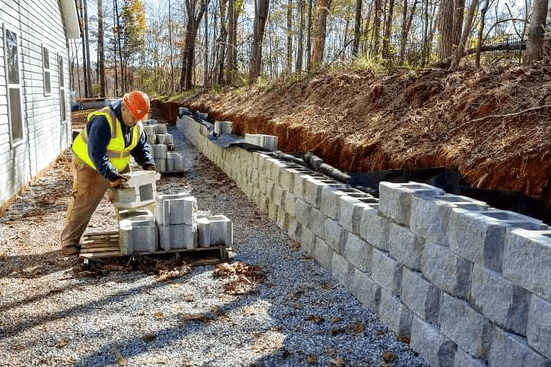
Not every parking lot needs to be torn out and replaced. If your lot has seen better days but the underlying base is still sound, we can often save you time and money with targeted concrete repairs or resurfacing. We have worked on commercial lots throughout Birmingham, from Hoover and Vestavia Hills to Irondale and Eastlake, and we know how Birmingham's heat, humidity, and clay-heavy soils can wear on a slab over time.
Crack Filling and Joint Repair
Small cracks and deteriorating joints are some of the most common issues we see on older parking lots. Left alone, they allow water to work its way into the base, which speeds up damage. We clean out the affected areas and fill them with polyurethane joint sealant, using a joint filler backer rod where needed to keep the sealant properly seated. We also re-cut and reseal control joints that have lost their integrity. Proper surface drainage starts with keeping water out of the slab, and good joint repair is a big part of that.
Pothole Patching and Slab Leveling
Potholes and uneven slabs are more than an eyesore. They create trip hazards, cause vehicle damage, and can expose your property to liability. We remove the damaged concrete down to a solid section, prepare the base, and pour a new patch using a mix that meets the strength of the surrounding slab. For slabs that have shifted or settled, we assess whether lifting and re-leveling is the right call based on soil conditions and the extent of the movement. Birmingham's expansive clay soils are a common culprit behind slab settlement, and we factor that into how we approach every repair.
Concrete Resurfacing Over Existing Slabs
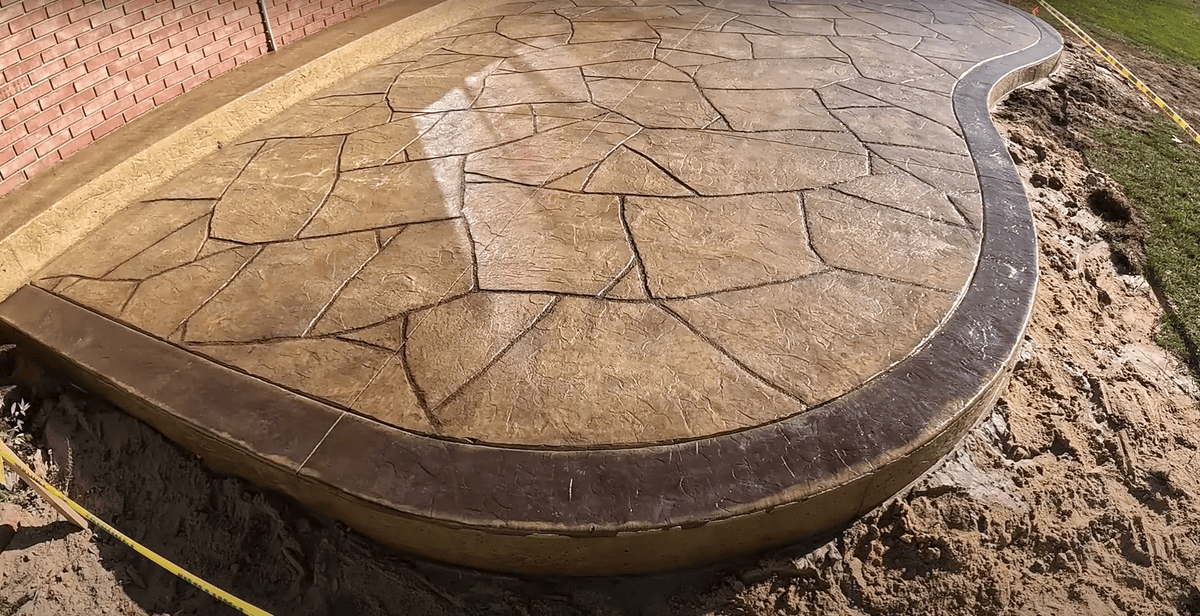
Concrete resurfacing works well when a slab is structurally intact but the surface has worn down, scaled, or become uneven. We apply a bonded overlay using an epoxy bonding agent to tie the new layer to the old slab. The surface texture can be finished to match your needs, whether that means a broom finish for traction or a smoother look. We apply a penetrating silane concrete sealer after the work cures to help protect the surface going forward.
Replacing Asphalt with Concrete
When weighing asphalt vs concrete, many property owners find that concrete holds up better over time, especially in Birmingham's summers where asphalt can soften and rut under heavy vehicle loads. If your asphalt lot has reached the end of its life, replacing it with heavy-duty concrete is often a sound long-term decision. We remove the existing asphalt, evaluate the sub-base, and build the new slab to handle your traffic load. For most commercial lots, we pour a 6-inch slab with 4000 psi compressive strength at minimum, reinforced with rebar or welded wire reinforcement depending on the load-bearing requirements. The finished lot will outlast asphalt by a significant margin and require far less ongoing maintenance.
Once your lot is repaired, resurfaced, or newly poured, there are several features we can add to make it more functional and complete.
Add-On Features for Your Parking Lot
A concrete parking lot is more than just a slab. The features built around and into it are what make it work well day after day. We handle all of these elements as part of our parking lot construction work here in Birmingham, and each one plays a real role in how the finished lot performs.
Curbs and Curb Cuts
Curbs protect the edges of your slab, guide traffic, and help define the layout of the lot. We pour concrete curbs that tie into the main slab and hold up under regular contact from vehicles. Curb cuts are placed where pedestrians need to move between the lot and walkways, and we size and slope them to work with the surrounding grade.
Drainage Solutions and Stormwater Management
Birmingham gets a good amount of rain, and surface drainage is one of the most important things to get right. Poor drainage leads to standing water, erosion under the slab, and long-term damage. We design the slope of your lot to move water toward drains or away from structures, following sound parking lot design practices. Where the soil conditions call for it, we may also discuss permeable concrete options that allow water to pass through the slab and reduce runoff at the source.
ADA-Compliant Layouts and Accessible Parking Spaces
Any commercial lot in Birmingham needs to meet the ADA Standards for Accessible Design. That means the right number of accessible spaces, proper dimensions, correct slope, and marked access aisles. We lay out these spaces during the design phase so they are built in from the start, not added as an afterthought.
Striping and Lot Organization
Once the concrete has cured, striping turns an open slab into a functional, organized lot. Concrete gives you a clean, high-contrast surface that holds striping well over time. Clear lane markings, directional arrows, and space numbering all help reduce confusion and improve safety for drivers and pedestrians alike.
Lighting and Signage Considerations
We work with property owners early in the process to account for light pole bases, signage footings, and conduit runs that need to be set before the concrete is poured. Planning for these ahead of time avoids cutting into finished concrete later and keeps the lot looking clean and professional.
When all of these features are designed and built together, your parking lot functions as a complete system. That kind of quality and durability is where concrete pavement really starts to stand apart from other surface options.
We Have Been Pouring Concrete for Over 20 Years
We are a concrete contractor based right here in Birmingham, AL. Our team has over 20 years of combined experience pouring concrete, and we have spent more than 10 years working specifically in the Birmingham area. That means we know the local soil conditions, the weather patterns that affect how concrete cures, and the building standards that apply to projects in this region.
Concrete work is not something you want to redo. When it is done right the first time, it holds up for decades. When it is not, you end up with cracks, settling, and repairs that cost more than the original job. We take the time to do things correctly from the start, whether we are working on a driveway, a patio, a foundation, or a commercial slab.
Over the years, we have worked on projects across Birmingham and the surrounding communities, including Hoover, Vestavia Hills, Homewood, and Trussville. We understand what works in this area and what does not. The red clay soil common throughout Jefferson County, for example, requires careful ground preparation before any concrete is poured. These are the kinds of details that come from real experience, not just reading a manual.
When you reach out to us, you are talking directly with the people who will show up and do the work. We keep things straightforward, give you honest assessments, and make sure you understand what the job involves before anything gets started.
Benefits of Choosing Concrete Over Other Parking Lot Materials
When property owners in Birmingham start thinking about parking lot construction, the first question we usually hear is whether to go with asphalt or concrete. Both materials can work, but after more than 20 years of pouring concrete and over a decade working across the Birmingham area, we can tell you that concrete pavement consistently holds up better over time, especially for commercial and industrial sites that see regular vehicle traffic.
Durability and Long Service Life
A well-built concrete parking lot can last 30 to 40 years or more when it is designed and installed correctly. Asphalt typically needs major attention within 15 to 20 years and requires more frequent patching in between. With the right concrete mix, proper reinforcement like Rebar Grade 60 or welded wire reinforcement, and correct joint placement, you get a durable surface that resists cracking, rutting, and surface breakdown far better than softer paving materials.
Performance in Birmingham's Hot Climate
Birmingham summers are brutal, and that heat takes a toll on parking lot surfaces. Asphalt softens in high temperatures, which leads to rutting and soft spots under heavy loads. Concrete holds its shape and structural integrity even when temperatures climb into the upper 90s. We pay close attention to mix design, including water-cement ratios and admixtures that suit Alabama's heat and humidity, so you get a surface that performs well through every season.
Lower Long-Term Maintenance Costs
Concrete repairs and concrete resurfacing are far less frequent needs with a properly built lot. Asphalt requires seal coating every few years, and it tends to develop potholes and cracks that need regular attention. A concrete lot is easier to keep clean, needs less routine maintenance, and when issues do come up, they are usually isolated and manageable rather than widespread surface failures.
Load-Bearing Strength for Trucks and Delivery Vehicles
If your property handles delivery trucks, garbage collection, or any kind of heavy equipment traffic, load-bearing capacity matters a great deal. We typically design commercial lots with a 6-inch slab thickness at minimum, and heavier-use areas may call for an 8-inch slab with a 4500 psi compressive strength mix. That kind of heavy-duty concrete handles the stress of repeated truck traffic without the soft spots or structural failures you might see with asphalt or gravel.
Curb Appeal and Property Value
A clean, well-finished concrete parking lot makes a real difference in how your property looks and how customers or tenants feel when they arrive. The lighter color of concrete also improves visibility for striping and lot organization, which contributes to a safer and more professional appearance. Properties along busy corridors like US Highway 280 or near commercial hubs in Hoover and Homewood benefit from the clean, polished look that a quality concrete lot provides.
All of these advantages come with an upfront cost that tends to be higher than asphalt, which is a fair point to consider. In the next section, we break down what concrete parking lot projects typically cost in Birmingham so you can plan your budget with realistic numbers in hand.
Concrete Parking Lot Costs in Birmingham, AL
If you are planning a parking lot project in Birmingham, one of the first questions you probably have is how much it will cost. That is a fair question, and the honest answer is that it depends on several things specific to your property and what you need done. We have worked on parking lots throughout the area, from Hoover and Vestavia Hills to Irondale and Southside, and no two jobs are exactly the same.
Factors That Affect the Price of a Concrete Parking Lot
Several variables come into play when we put together a number for a parking lot project. The size of the lot is the most obvious one, but it is far from the only one.
The condition of your existing site matters a great deal. Birmingham sits on red clay soils and Piedmont geology, which can include expansive clay and areas of karst limestone. If your subgrade needs stabilization or significant cut and fill grading before we pour, that adds to the cost. We typically run a Proctor compaction test to understand what we are working with, and we require at least 95% Proctor compaction before any concrete goes down.
Slab thickness also drives the price. A standard commercial lot with passenger vehicle traffic might call for a 6-inch slab thickness, while a loading zone or area with heavy truck traffic could need an 8-inch slab at 4500 psi compressive strength. The reinforcement plan, whether that is Rebar Grade 60, welded wire reinforcement, or both, affects the material and labor costs as well.
Other factors include drainage design, curb and gutter work, joint layout, ADA-compliant access areas, and whether you need striping or a concrete sealer applied after the pour. If your site requires a concrete pump truck to reach certain areas, that is an added cost too.
Average Cost Ranges for Commercial Parking Lot Work
For a new concrete parking lot installation in the Birmingham area, most commercial projects fall somewhere between $6 and $12 per square foot for the concrete work itself, depending on the specs. Larger lots tend to come in at a lower cost per square foot because of economies of scale. Smaller or more complex jobs, especially those with tight access, heavy reinforcement, or difficult soil conditions, tend to run higher.
If you are looking at concrete resurfacing or concrete repairs on an existing lot rather than a full replacement, costs can be lower, though that depends on how much of the surface is damaged and what caused the problem in the first place. Addressing surface drainage issues or fixing a failed subgrade is not the same as simple crack repair.
Compared to asphalt, concrete typically costs more upfront. However, the longer service life, lower parking lot maintenance needs, and better performance in Alabama's heat often make concrete the more cost-effective choice over time.
How to Get an Accurate Estimate or Bid
The best way to get a number you can actually rely on is to have us walk the site with you. We look at the square footage, the existing grade, soil conditions, drainage patterns, and what the lot will be used for. From there, we can put together a detailed bid that covers everything from the aggregate base to the final finish and curing compound.
Be cautious of bids that seem unusually low. A parking lot built on a poorly prepared subgrade or with the wrong concrete mix is going to show problems within a few years, and fixing that costs far more than doing it right the first time. We follow ACI 330R guidelines for parking lot design and use materials that meet ASTM standards so you know exactly what you are getting.
If you are comparing bids from multiple contractors, make sure each one is covering the same scope, including site prep, reinforcement, joint work, curing, and any drainage or curb requirements. That is the only way to make a fair comparison. When you are ready to move forward or just want to understand what your project might involve, we are straightforward about what goes into our pricing, and we want you to feel informed before any decisions are made.
Why Work With Us
We have over 20 years of combined experience pouring concrete, and more than 10 of those years have been spent working on commercial and industrial properties right here in Birmingham. We know the soil conditions, the weather patterns, and the permit process that comes with doing this kind of work in Jefferson County. That matters when you are planning parking lot construction for a property that needs to hold up under real daily use.
Our Experience Pouring Concrete in Birmingham
Birmingham's red clay soils and humid summers create challenges that out-of-town crews often underestimate. We account for shrink-swell soil behavior during subgrade preparation, and we match our concrete mix to local conditions. For most commercial lots, we work with mixes reaching 4000 to 4500 psi compressive strength and follow a full 28-day cure period to make sure the slab reaches the strength it needs. Our team holds ACI certifications and follows standards like ACI 330R for parking lot design, so the work is done to a recognized professional level, not guesswork.
How We Handle Commercial and Industrial Projects
We manage the full scope of parking lot work, from grading and base preparation to forming, pouring, finishing, and joint cutting. On heavy-duty concrete jobs with high load-bearing capacity requirements, we use Rebar Grade 60 and proper joint spacing to reduce cracking over time. We also handle surface drainage design, curb work, and layouts that meet ADA Standards for Accessible Design. Whether you are near US Highway 280, off Interstate 65, or anywhere else in the Birmingham metro area, we are familiar with local permit offices and what they require for commercial paving projects.
What to Expect When You Contact Us
When you reach out, we will ask about your property, the scope of work, and your timeline. From there, we can come out, look at the site, and give you a straightforward written estimate. We do not pressure you, and we take time to answer your questions about materials, concrete pavement options, and what the process actually looks like from start to finish. If you are weighing asphalt vs concrete or considering concrete resurfacing on an existing lot, we can walk you through what makes sense for your situation based on real project experience, not a sales pitch.
Before we wrap up, here is a quick summary of everything covered in this guide and what it means for your project moving forward.
Ready to Move Forward With Your Concrete Parking Lot in Birmingham
We have walked you through everything that goes into a well-built concrete parking lot, from subgrade prep and mix design to drainage, finishing, and curing. Now it comes down to choosing the right team for the job.
What You Get When You Work With Us
With over 20 years of combined experience pouring concrete and more than 10 years serving the Birmingham area, we bring real knowledge to every project we take on. Whether your property is near UAB Campus, off US Highway 280, or somewhere in Hoover or Vestavia Hills, we understand the local soil conditions, permit requirements, and weather patterns that affect how a parking lot performs over time.
Here is a quick look at what working with us means for your project:
- Proper subgrade evaluation and compaction so your slab does not settle or crack prematurely
- The right concrete mix for Birmingham's heat and humidity, typically targeting 4000 to 4500 psi compressive strength
- Correct reinforcement placement using rebar or welded wire reinforcement where your load-bearing needs call for it
- Precise joint layout and saw-cutting to control cracking over the life of the slab
- Surface drainage designed to move water away from your lot and avoid ponding
- A finished surface with the right texture for safety, traction, and curb appeal
- Proper curing using ASTM C309 Type 1 compliant compounds so your concrete reaches full strength
- Full compliance with ADA Standards for Accessible Design and local permit requirements through offices like the City of Birmingham Building Permit Office
- Transparent estimates with no surprises and a team that stands behind its work
How to Get Started
Getting a quote is simple. Tell us about your property, the size of the lot you need, and any specifics like drive lanes, loading zones, or drainage concerns. We will take it from there and give you a clear, honest estimate based on your actual project needs.
Call us directly or complete the quote form below. We look forward to hearing from you and helping you build a parking lot that holds up for the long haul.
Birmingham AL Concrete
3301 Lorna Rd
Birmingham, AL 35216
Business Hours
| Mon | 7:00 AM – 10:00 PM |
| Tue | 7:00 AM – 10:00 PM |
| Wed | 7:00 AM – 10:00 PM |
| Thu | 7:00 AM – 10:00 PM |
| Fri | 7:00 AM – 10:00 PM |
| Sat | 7:00 AM – 10:00 PM |
| Sun | 7:00 AM – 10:00 PM |