Concrete Staining & Sealing in Birmingham
Concrete Staining & Sealing Done Right in Birmingham
We serve Birmingham, AL and the surrounding areas for concrete staining and sealing
We provide concrete staining and sealing services throughout Birmingham, AL and the surrounding communities, including Homewood, Vestavia Hills, Mountain Brook, Hoover, Trussville, Irondale, and many others. Whether you are near US Highway 280, out in Cahaba Heights, or closer to the Southside neighborhoods, we are familiar with the area and can get to you without trouble. With over 10 years of working right here in Birmingham and more than 20 years of combined experience in concrete work, we know what it takes to get this kind of job done correctly from start to finish.
The problem with plain, worn, or unprotected concrete surfaces
If your concrete patio, driveway, or floor is looking faded, stained, or just worn down, you are not alone. A lot of homeowners and business owners in the Birmingham area find themselves dealing with concrete that has lost its color, started to dust or pit on the surface, or is absorbing stains from oil, water, and everyday use. The good news is that in many cases, you do not need to tear out and replace the slab. Staining concrete floors and applying the right sealer can bring a surface back to life at a fraction of the replacement cost. The key is knowing what products to use, how to prepare the surface properly, and which approach fits your specific situation.
Why local knowledge of Birmingham matters for staining and sealing work
Birmingham's climate plays a real role in how concrete staining and sealing work holds up over time. The humidity along the Cahaba River corridor, the heavy rain that rolls through during spring, and the intense summer sun can all affect how a stain absorbs and how long a sealer lasts. We also know that the red clay soil common throughout Jefferson County and areas like the Birmingham Red soil series can shift and settle under slabs in ways that affect surface conditions. When we are working on outdoor concrete staining around neighborhoods like Avondale, Bluff Park, or out near Oak Mountain State Park, we factor in these local conditions when selecting products and timing the application. That kind of local awareness matters more than most people realize.
Common questions Birmingham homeowners ask about concrete staining and sealing
Most people we talk to want to know two things right away: what the difference is between their options and whether the results will actually last. Questions like the difference between acid stain vs water-based stain, what concrete sealer types are available, whether DIY concrete staining is realistic, and what concrete sealing defined actually means in practical terms come up in almost every conversation. These are fair questions, and the answers matter because making the wrong choice for your surface type, your climate, or your goals can lead to results that peel, fade, or look uneven within a season or two. We will walk through all of this in the sections below so you have a clear picture of what the process involves before we ever talk about your specific project.
What Is Concrete Staining and Sealing
If you have concrete floors, a patio, a driveway, or a walkway that looks worn, dull, or plain, staining and sealing can change that without the cost of tearing it out and starting over. We have worked on concrete surfaces across Birmingham for over 10 years, from homes in Homewood and Mountain Brook to commercial spaces near the BJCC and Railroad Park. Staining and sealing is one of the most practical ways to improve how concrete looks and how long it lasts.
How Concrete Staining Works and What It Does to the Surface
Staining concrete is not like painting it. A stain actually works into the surface rather than sitting on top of it. When we stain a slab, the color becomes part of the concrete itself, which means it will not peel or chip the way paint does. Staining concrete floors adds depth, tone, and character to a surface that would otherwise look flat and gray.
Before any stain goes down, the surface has to be clean and properly prepared. We use tools like a diamond grinder or pressure washer to open up the surface and remove anything that would block the stain from penetrating. The concrete needs to be at the right pH level and free of oils, adhesives, or curing compounds. Skipping this step is one of the most common reasons DIY concrete staining goes wrong. Without the right prep, you end up with uneven color, blotchy patches, or a finish that starts failing quickly.
The two main categories of stain we work with are acid-based and water-based. Understanding the difference between acid stain vs water-based stain helps you know what to expect from each. Acid stains use a chemical reaction with the minerals in the concrete to create rich, earthy tones with natural variation. Water-based stains offer a wider range of concrete stain colors and are more predictable in how they look once applied. Each has its place depending on the surface, the setting, and the look you want. We will cover this in more detail in the next section.
How Concrete Sealing Works and What It Does to the Surface
Sealing is what protects the surface after the stain has been applied and cured. A sealer forms a barrier that keeps moisture, oil, UV rays, and everyday wear from breaking down the concrete. In Birmingham, where humidity runs high through spring and summer and the sun puts real stress on outdoor surfaces, sealing is not optional if you want the finish to last.
We check the slab for moisture before choosing a sealer. Using an infrared moisture meter helps us catch moisture vapor issues early. If moisture vapor emission rates are too high, certain sealers can bubble, whiten, or delaminate over time. Getting this right matters more in Alabama than in drier climates.
There are several concrete sealer types we use depending on the situation. Acrylic co-polymer sealers work well for outdoor concrete staining on patios and driveways. Solvent-based polyurethane offers a harder, more durable film for high-traffic areas. A lithium silicate densifier can be used as a base layer on interior floors to harden and tighten the surface before a topcoat sealer goes on. Proper concrete sealant application means applying the right product in the right conditions with the right tools. We use airless sprayers and squeegee applicators to keep the coverage even and within the recommended rate, often around 200 square feet per gallon depending on the product.
How Staining and Sealing Work Together as a Complete Finishing Process
Staining and sealing are not two separate jobs. They are two steps in one complete process. The stain gives the surface its color and character. The sealer locks that in and adds the layer of protection that makes enhancing concrete surfaces worth doing in the first place.
When both steps are done correctly, you get a surface that looks better, cleans up easier, resists stains and moisture, and holds up to weather far longer than bare concrete would. For sealing outdoor concrete, the timing matters too. We plan around Birmingham's weather patterns to make sure the stain has fully cured and conditions are right before sealer goes down. Temperature and humidity at the time of application affect how the sealer bonds and cures, and a missed window can mean redoing the work.
This full process applies to a wide range of decorative concrete finishes, whether we are working on an existing broom-finished driveway in Vestavia Hills, a patio slab in Hoover, or an interior floor in a commercial space near US Highway 280. The products and approach may shift from job to job, but the goal is the same: a finish that looks clean, holds up, and does not need constant attention. Choosing the right stain is a big part of getting there, and that starts with knowing what types of stains are available and when each one makes sense.
Types of Concrete Stains We Use
When it comes to staining concrete floors or any concrete surface around your home or business, the type of stain we use makes a real difference in how the finished surface looks and holds up over time. We work with two main categories of concrete stains, and each one brings something different to the table. Understanding what sets them apart helps you make a more informed decision before we start any work.
Acid-Based Stains and the Look They Create
Acid stains work by reacting chemically with the minerals already present in your concrete. We typically use a solution containing muriatic acid or similar reactive compounds that penetrate the surface and create color that bonds directly with the slab. Because this is a chemical reaction rather than a coating, the result is a look that cannot be fully predicted in advance. That unpredictability is actually part of the appeal. You get a mottled, variegated finish with natural-looking variation in tone, similar to the depth you might see in stone or marble. Earth tones like amber, brown, and terra cotta are common outcomes with acid stains. When we work on outdoor concrete staining projects around patios in areas like Mountain Brook or Vestavia Hills, this look tends to complement the landscaping and architecture well. Keep in mind that proper surface prep is critical here. We use an infrared moisture meter to check the slab before we begin, and we make sure the pH is in the right range so the reaction takes hold evenly.
Water-Based Stains and the Color Options They Offer
Water-based stains work differently. Rather than reacting with the concrete, they penetrate the surface and deposit pigment into the pores of the slab. This gives us far more control over the color outcome. Products from brands like Ameripolish and Butterfield Color offer a wide range of concrete stain colors, from soft grays and blues to greens, reds, and custom blends. If you have a specific color in mind for a garage floor in Hoover or a commercial space near US Highway 280, water-based stains give us the flexibility to get close to what you are picturing. The finish tends to be more consistent and uniform compared to acid stains, which matters when you want a cleaner, more modern look. When we talk through the acid stain vs water-based stain question with you, the setting and your personal preference both play a role in what we recommend.
How We Help You Choose the Right Stain for Your Surface and Setting
Choosing between stain types is not just about color. We look at the condition of your existing slab, whether it has been previously sealed, how much traffic the surface gets, and how Birmingham's humidity and heat will affect the finished product. A decorative concrete finish that works well on a covered interior floor may not be the right call for an exposed driveway in Trussville that gets direct sun and heavy rain. We also consider whether the concrete has been treated before, since prior coatings can block penetration and affect how evenly the stain takes. Our combined experience working with decorative concrete finishes across the Birmingham area means we have seen how different slabs respond under real local conditions. Once we settle on the right stain type and color, the next step is protecting that finish so it lasts, which is where the sealer comes in.
A few years back, we took on a concrete staining and sealing job for a homeowner over in Hoover, just southwest of Birmingham. It seemed straightforward at first. The client wanted a rich, walnut-brown acid stain on their back patio, and we were confident it would turn out great. But when we got there and started our surface prep, we ran into something we did not expect.
The existing concrete had been coated years before with a cheap, store-bought sealer. The previous owner had applied it, and nobody had told our client. That old sealer was sitting in the pores of the concrete, and it was going to block the acid stain from soaking in the way it needed to. If we had just gone ahead and applied the stain without dealing with it first, you would have ended up with a blotchy, uneven finish that peeled within a season or two.
We stopped the job, sat down with the homeowner, and walked her through exactly what we found and why it mattered. We brought in a chemical stripper and spent an extra day grinding and prepping the surface until we were confident the concrete was ready to accept the stain properly. It added time and cost to the project, and we were upfront about that from the start.
Once the surface was right, the stain soaked in beautifully and we applied a high-quality penetrating sealer on top. The patio looked exactly like what she had picked out, and it has held up through several Alabama summers since then. The lesson we took from that job is simple. What you cannot see in concrete can cause just as many problems as what you can. Thorough prep work is never optional.
Types of Concrete Sealers We Apply
When it comes to protecting and finishing concrete, the sealer you choose makes a big difference. We work with several types depending on the surface, location, and what you need the sealer to do. Whether you are staining concrete floors inside your home or sealing outdoor concrete around your patio or driveway, picking the right product is just as important as applying it correctly.
Penetrating Sealers and How They Protect From Within the Surface
Penetrating sealers soak into the concrete rather than sitting on top of it. Products like a lithium silicate densifier or reactive penetrating sealer work by filling in the pores of the slab. This helps block moisture, reduce dusting, and slow down surface wear without changing the look of the concrete much. In Birmingham, where humidity and rain are constant concerns, penetrating sealers are a solid choice for driveways, walkways, and other outdoor slabs. We often recommend these when a homeowner does not want a shiny finish but still wants real protection.
Topical Sealers and the Finish They Add to the Surface
Topical sealers form a protective film on top of the concrete. These are common with decorative concrete finishes because they add color depth and sheen to the surface. Options we regularly use include acrylic co-polymer sealers, water-based polyurethane, solvent-based polyurethane, and polyaspartic polyurea. Each one has different durability, cure times, and performance levels. For example, polyaspartic coatings tend to hold up better in high-traffic commercial settings, while an acrylic sealer works well for residential patios across Homewood or Vestavia Hills.
Choosing Between Matte, Satin, and Gloss Finishes
One of the more common questions we get is about sheen level. Matte finishes look more natural and do not draw attention to surface imperfections. Satin is a middle ground that adds a subtle glow without looking wet or overdone. Gloss finishes bring out the most color and shine, which pairs well with stained surfaces where you want the concrete stain colors to really stand out. We help you think through which finish fits the space before any product is ordered or applied.
Slip-Resistant Sealer Options for Outdoor and High-Traffic Areas
For outdoor concrete staining projects or areas that see a lot of foot traffic, slip resistance is something we take seriously. A smooth, sealed surface can get slippery when wet, especially around pools, steps, or walkways near the Cahaba River greenway or at commercial properties along US Highway 280. We can add a non-slip aggregate to most topical sealers during concrete sealant application to improve traction without affecting the finished look much. This is also something we look at for broom-finished concrete that already has some texture built in.
Now that you have a better idea of the sealer types we work with, it helps to understand where we apply all of this. The surfaces we stain and seal in Birmingham cover a wide range of both residential and commercial projects.
Surfaces We Stain and Seal in Birmingham
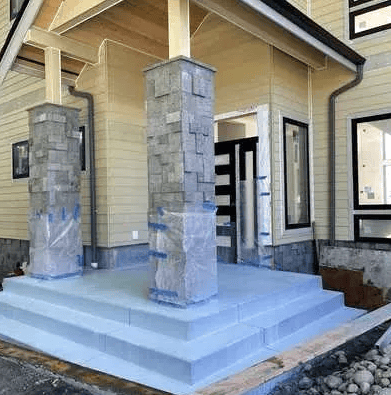
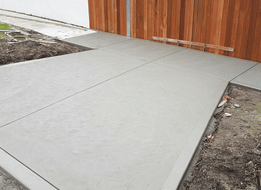
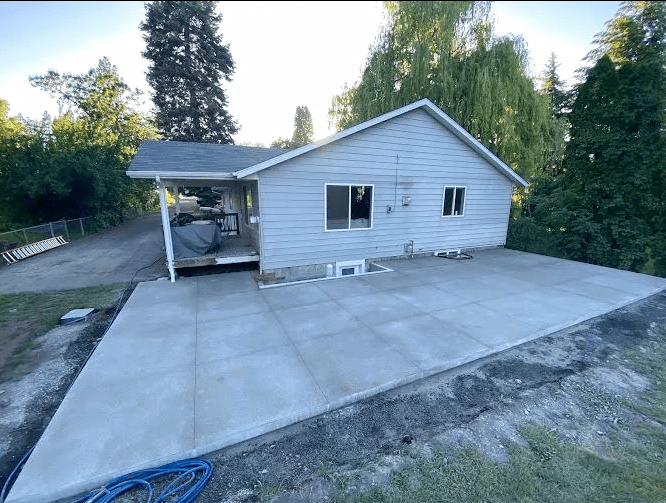
We work on a wide range of concrete surfaces across Birmingham and the surrounding area, from homes in Vestavia Hills and Mountain Brook to commercial spaces along US Highway 280. Whether the concrete is old or fairly new, staining and sealing can make a real difference in how it looks and how long it holds up.
Interior Concrete Floors
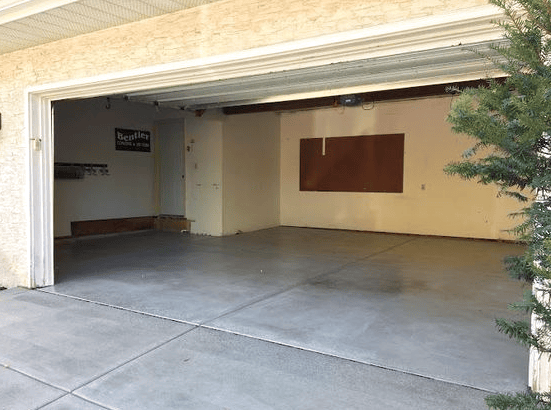
Staining concrete floors inside your home or business is one of the most popular ways to improve a space without tearing anything out. We can apply concrete stain colors that bring out natural variation in the slab, giving it a look that plain gray concrete simply does not have. After staining, a quality sealer protects the surface from everyday foot traffic, spills, and moisture.
Patios and Outdoor Living Spaces
Outdoor concrete staining is common for patios, pool decks, and backyard living areas throughout Birmingham. Alabama's heat, humidity, and rainfall can wear down an unsealed slab faster than you might expect. We use sealers suited to local weather conditions, which helps the surface resist fading, surface damage, and moisture intrusion over time.
Driveways
A stained and sealed driveway does more than look better. Sealing outdoor concrete like a driveway helps protect it from oil, chemical spills, and the freeze-thaw cycles that occasionally affect the Birmingham area. It also makes routine cleaning much easier.
Walkways and Sidewalks
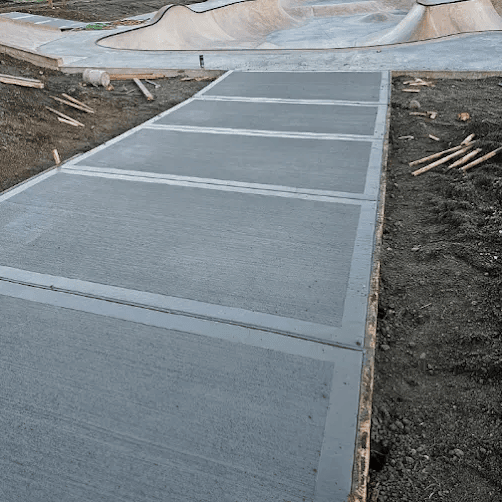
Walkways take a lot of wear, and sealing outdoor concrete paths around your property can slow down surface deterioration noticeably. We can also apply a finish that improves slip resistance, which matters when Birmingham's rainy seasons leave surfaces wet for extended periods.
Commercial Floors and Retail Spaces
Decorative concrete finishes work well in commercial settings too. We have worked on retail floors, warehouses, and office spaces where durability and appearance both matter. A professionally stained and sealed floor holds up better under heavy use and is far easier to maintain than untreated concrete.
No matter which surface you are starting with, the results depend heavily on how the work is done, not just what products are used. That brings us to the process we follow on every staining and sealing job we take on in Birmingham.
The Concrete Staining and Sealing Process We Follow
When you hire us for staining concrete floors or sealing a patio, driveway, or commercial slab, you get a process built on over 20 years of combined concrete experience and more than 10 years working right here in Birmingham. We do not cut corners, and we do not skip steps. Here is exactly what we do from start to finish.
Surface Inspection and Prep Work Before We Start
Before we apply anything to your concrete, we take time to look at what we are working with. We use an infrared moisture meter to check moisture levels in the slab. In Birmingham, moisture coming up through the concrete is a real concern, and it affects which products we use. A slab with high moisture vapor emission can cause a sealer to bubble, whiten, or peel if the wrong system is chosen. We also look at the surface profile using a surface profile comparator to determine how much preparation the concrete needs. Most staining and concrete sealant application work requires a surface profile in the ICRI CSP 1-3 range so the product bonds correctly.
Cleaning and Repairing the Concrete Before Staining
Good prep work is what separates a finish that lasts from one that fails within a season or two. We clean the surface using a pressure washer and, when needed, a rotary scrubber with appropriate cleaning agents like trisodium phosphate or an efflorescence remover to strip away dirt, grease, and mineral buildup. For surfaces that need more aggressive prep, we bring in a diamond grinder or shot blaster to open the pores of the concrete and remove any old coatings. We fill cracks and surface damage before we move forward. Skipping repairs before outdoor concrete staining or indoor work leads to uneven color and early sealer failure.
Applying the Stain Evenly and Correctly
Once the surface is clean, dry, and properly profiled, we move into the staining phase. One of the most common questions we hear is about acid stain vs water-based stain. Acid stains, which use a chemical reaction with muriatic or phosphoric acid, create natural-looking, mottled tones that are permanent once they react with the concrete. Water-based stains give you more consistent color and a wider range of concrete stain colors to choose from. We help you choose based on your surface, your goals, and the look you want. We apply stain using an airless sprayer or appropriate hand tools to keep coverage even and avoid lap marks or streaking. Uneven application is one of the most common problems with DIY concrete staining, and it often requires grinding the surface down to correct it.
Applying the Sealer and Allowing Proper Cure Time
After the stain has fully developed and been neutralized where required, we move into sealing. We choose from several concrete sealer types depending on your surface and how it is used. Options include acrylic co-polymer sealers for lighter-duty surfaces, water-based polyurethane for indoor floors that see regular foot traffic, and polyaspartic polyurea for high-traffic commercial areas that need tough, fast-curing protection. A lithium silicate densifier may be applied first on certain slabs to harden and strengthen the surface before the topcoat goes down. We apply sealer in thin, even coats using a squeegee applicator or airless sprayer, respecting recoat windows and manufacturer cure requirements. Rushing cure time is a common mistake that leads to soft, easily damaged finishes.
Proper cure time matters especially in Birmingham, where humidity and temperature can shift quickly. Sealing outdoor concrete during the wrong weather conditions can cause the product to cure improperly and fail ahead of schedule. That brings us to something worth understanding in more detail: how Birmingham's climate directly affects your concrete and why sealing is not optional if you want your surface to hold up over time.
Birmingham Concrete Done with Real Experience
We are a concrete contractor based right here in Birmingham, AL. Our team has over 20 years of combined experience pouring concrete, and we have spent more than 10 years working specifically in the Birmingham area. That means we know the local soil conditions, the weather patterns that affect how concrete cures, and the building standards that apply to projects in this region.
Concrete work is not something you want to redo. When it is done right the first time, it holds up for decades. When it is not, you end up with cracks, settling, and repairs that cost more than the original job. We take the time to do things correctly from the start, whether we are working on a driveway, a patio, a foundation, or a commercial slab.
Over the years, we have worked on projects across Birmingham and the surrounding communities, including Hoover, Vestavia Hills, Homewood, and Trussville. We understand what works in this area and what does not. The red clay soil common throughout Jefferson County, for example, requires careful ground preparation before any concrete is poured. These are the kinds of details that come from real experience, not just reading a manual.
When you reach out to us, you are talking directly with the people who will show up and do the work. We keep things straightforward, give you honest assessments, and make sure you understand what the job involves before anything gets started.
How Birmingham's Climate Affects Concrete and Why Sealing Matters
Birmingham sits in a region where humidity stays high most of the year, temperatures swing between seasons, and summer storms roll through with little warning. That combination is hard on unprotected concrete. Over time, moisture works its way into the surface, and when it freezes or expands, it causes cracking and surface deterioration. When we look at slabs around neighborhoods like Vestavia Hills, Homewood, or Hoover, we often see the same pattern of wear on concrete that was never properly sealed.
How Humidity and Rainfall in Birmingham Wear Down Unprotected Concrete
Alabama gets an average of more than 50 inches of rain per year. That moisture doesn't just sit on top of concrete. It soaks in. Once water gets inside the slab, it carries minerals and salts to the surface, leaving behind white residue known as efflorescence. It can also weaken the slab over time by breaking down the paste that holds the mix together. The Birmingham Red soil series and the expansive clay common throughout Jefferson County shift with moisture changes, which puts additional stress on slabs from underneath. Without a proper sealer, your concrete is dealing with pressure from both above and below.
How UV Exposure Fades and Damages Concrete Surfaces Over Time
Birmingham summers bring intense sun exposure, and that UV radiation does real damage to outdoor concrete staining and unprotected surfaces alike. Concrete that has been stained but not sealed will fade faster than most people expect. UV rays break down the surface over time, leaving color looking dull and washed out. On decorative concrete finishes, that fading can be especially noticeable. A quality sealer rated for outdoor use, such as a solvent-based polyurethane or a UV-stable acrylic co-polymer sealer, creates a protective film that slows that breakdown considerably.
How Sealing Helps Concrete Hold Up Through Alabama's Seasonal Weather Changes
Spring and fall in Birmingham bring temperature swings that cause concrete to expand and contract. We use an infrared moisture meter to check slab conditions before recommending a sealer, because moisture vapor emission levels affect which product will perform best. For example, a slab with higher moisture readings may need a breathable reactive penetrating sealer rather than a film-forming product that traps vapor and causes bubbling. Getting that decision right matters, and it comes from experience working with Birmingham slabs specifically, not just general concrete knowledge. When sealing outdoor concrete is done correctly with the right product for your conditions, the surface holds up far better through seasonal changes.
Understanding how the local climate works against your concrete is the first step. The next step is knowing what staining and sealing can actually do to protect and improve what you already have.
Benefits of Staining and Sealing Your Concrete
We have spent over 20 years working with concrete, and more than 10 of those years right here in Birmingham. In that time, we have seen a lot of plain, worn-out slabs get a second life through staining and sealing. Whether you have a patio in Homewood, a driveway in Vestavia Hills, or a garage floor out in Trussville, the right finish can make a real difference in both how your concrete looks and how long it lasts.
Improved Appearance with Richer Color and a More Finished Look
Staining concrete floors or outdoor surfaces is one of the more affordable ways to change how a space feels. You have options when it comes to concrete stain colors, ranging from earthy tones to deeper, richer shades. The choice between an acid stain vs water-based stain also matters here. Acid stains react chemically with the concrete to create a natural, variegated look. Water-based stains offer more consistent, predictable color. We help you pick what fits your surface and your goals.
Protection Against Stains, Moisture, Oil, and Everyday Wear
Birmingham's humidity and heavy rainfall put a lot of pressure on outdoor concrete staining and sealing work. A properly applied sealer creates a barrier against moisture, oil, chemicals, and surface wear. We use products that meet standards like ASTM C1315 and choose sealer types based on your specific slab conditions. For example, a lithium silicate densifier works well for hardening and sealing surfaces that see a lot of foot traffic, while a polyaspartic polyurea coat offers stronger chemical resistance for garage floors.
Easier Cleaning and Long-Term Surface Maintenance
Sealed concrete is much easier to keep clean. Dirt, oil, and spills sit on top of the surface instead of soaking in. This is one of the more practical concrete maintenance tips we share with homeowners and business owners alike. A sealed surface can often be cleaned with just a pressure washer or a mop, depending on where it is located and how much traffic it sees.
Extended Lifespan of Your Existing Concrete
Sealing outdoor concrete helps slow down the breakdown that comes from UV exposure, moisture cycles, and Birmingham's red clay soil shifting beneath slabs over time. Concrete sealant application done correctly can reduce cracking, dusting, and surface deterioration, which means your existing slab can hold up much longer before any major work is needed.
Added Curb Appeal and Property Value
A freshly stained and sealed surface looks more finished and intentional. For homeowners in areas like Mountain Brook or Ross Bridge, that kind of polish adds to the overall look of the property. Decorative concrete finishes can bring a more professional appearance to driveways, walkways, patios, and commercial floors without the cost of a full replacement.
A Cost-Effective Alternative to Replacing or Resurfacing Concrete
If your concrete is structurally sound but just looks worn or dull, staining and sealing is almost always less expensive than concrete resurfacing techniques or a full pour. We use an infrared moisture meter and check surface profiles before starting any work so we know whether your slab is a good candidate. Most of the time, it is. Once you understand what the process involves and what results you can expect, the value becomes clear. That brings us to what actually happens during and after the job.
What to Expect During and After the Job
How Long the Staining and Sealing Process Takes
Most staining and sealing jobs take one to three days from start to finish, depending on the size of the area and the condition of the concrete. We begin with surface prep, which often takes the most time. Using a diamond grinder or pressure washer, we open up the pores of the concrete so the stain can absorb evenly. If the slab has old coatings, grease, or efflorescence, that adds time too. Once the surface is clean and properly profiled, we apply the stain and let it react or dry before moving on to the sealer. Larger areas like driveways in Hoover or Vestavia Hills, or commercial floors near US Highway 280, may take closer to three days when you factor in drying windows between coats.
Cure Time and When You Can Use the Surface Again
After the sealer goes down, foot traffic is usually safe within 24 hours for most acrylic co-polymer and water-based polyurethane systems. Vehicle traffic on driveways typically needs 48 to 72 hours. Polyaspartic polyurea sealers cure faster and can sometimes handle light foot traffic the same day. Full cure, where the sealer reaches its maximum hardness and chemical resistance, generally takes five to seven days. Birmingham's humidity can slow that process, especially in summer months near areas like Lakeview or along the Cahaba River corridor where moisture levels run high. We use an infrared moisture meter before we seal to make sure conditions are right so you do not end up with bubbling or whitening under the surface.
What the Finished Surface Will Look and Feel Like
The look depends on the products and finish you choose. Acid stains produce earthy, mottled tones that vary naturally across the slab, while water-based stains give you more consistent, predictable color from a wide range of concrete stain colors. Sheen level is controlled by the sealer. A matte finish looks natural and low-key. A high-gloss finish reflects light and gives the surface a more polished appearance. In terms of texture, most sealed surfaces feel smooth but not slippery when the right product is used. For outdoor concrete staining on patios, pool decks, or walkways, we typically recommend a sealer with a built-in grip additive to improve traction in wet conditions.
How to Care for a Stained and Sealed Concrete Surface Going Forward
Caring for a stained and sealed surface is straightforward. Regular sweeping and occasional mopping with a pH-neutral cleaner keeps it looking good without breaking down the sealer. Avoid harsh chemicals like bleach or ammonia-based cleaners, as they can dull the finish over time. For outdoor concrete staining in Birmingham, UV exposure and rain will gradually wear the sealer, so plan on resealing every two to three years depending on traffic and weather. These are basic concrete maintenance tips, but they go a long way toward protecting your investment. Keeping up with simple maintenance is also far less expensive than stripping and recoating a neglected surface. Speaking of cost, what you spend on routine upkeep connects directly to what you pay upfront for the job itself, which brings us to what staining and sealing actually costs in Birmingham.
How Much Concrete Staining and Sealing Costs in Birmingham
One of the first questions we hear from homeowners and business owners across Birmingham is simple: what is this going to cost? The honest answer is that it depends on a few things, but staining and sealing is almost always more affordable than tearing out and replacing concrete. We have been working in Birmingham for over 10 years, and we can give you a realistic picture of what to expect.
Factors That Affect the Cost of Staining and Sealing
Several things influence the final price. The size of the surface matters most, but so does the current condition of the concrete. A slab that needs patching, cleaning with a pressure washer, or profiling with a diamond grinder before we can even begin staining will take more time and materials. The type of finish also plays a role. For example, acid stain vs water-based stain options carry different costs, and decorative concrete finishes with multiple colors or layered effects take more labor than a single-tone application.
The type of sealer matters too. A basic acrylic co-polymer sealer runs less than a solvent-based polyurethane or polyaspartic polyurea coating, which offers stronger protection but costs more upfront. For outdoor concrete staining on driveways or patios, we also factor in Alabama's humidity and UV exposure, which affects which products we use and how many coats are needed. Surfaces near the Cahaba River or low-lying areas around Village Creek can also carry higher moisture vapor levels, which may require additional prep work.
General Price Ranges for Common Surfaces in the Birmingham Area
While every job is different, here are some realistic ranges we see for work in neighborhoods like Homewood, Vestavia Hills, Hoover, and Trussville. For staining concrete floors indoors, most residential projects run between $2 and $6 per square foot depending on prep needs and finish complexity. Sealing outdoor concrete on a patio or walkway typically falls between $1.50 and $4 per square foot. Driveways with heavier wear or decorative work can run toward the higher end of that range. Commercial spaces, like retail floors or garage surfaces, vary more widely based on square footage and the sealer system selected. Keep in mind that concrete maintenance tips we share after the job, like routine cleaning and knowing when to reseal, can help stretch your investment further.
Why Staining and Sealing Is Often More Affordable Than Replacement
Replacing a concrete driveway or patio in the Birmingham area can cost anywhere from $6 to $12 per square foot or more once you factor in demolition, hauling, and a new pour. Staining and sealing the existing slab usually costs a fraction of that. As long as the concrete is structurally sound, which we can assess during an initial visit, enhancing concrete surfaces through staining and sealing is a practical way to get a better-looking, longer-lasting result without the expense of full replacement.
With over 20 years of combined concrete experience, we know that skipping proper surface prep or using the wrong sealer type is where homeowners and low-cost contractors lose money down the road. Doing the job right the first time costs less than stripping a failed coating or grinding out a blotchy stain. That is something worth keeping in mind as you weigh your options and think about the long-term condition of your concrete.
Concrete Staining and Sealing Done Right in Birmingham
Summing Up What Staining and Sealing Can Do for Your Concrete in Birmingham
Now that you have a better idea of what staining and sealing costs in Birmingham, it helps to step back and look at the full picture. Whether you have a patio in Homewood, a driveway in Vestavia Hills, or a commercial floor near US Highway 280, staining and sealing your concrete is one of the more practical ways to protect and improve what you already have. You get a better-looking surface, stronger protection against Alabama's humidity and heat, and a longer lifespan for your concrete without the cost of tearing it out and starting over.
From choosing between concrete stain colors to understanding which of the available concrete sealer types fits your situation, the decisions involved in this kind of work matter more than most people expect. Done well, the results last for years. Done poorly, you end up with peeling, blotchy color, or moisture problems that cost more to fix than the original job.
Why Working with an Experienced Local Contractor Makes a Difference
We have spent over 20 years pouring and finishing concrete, including more than 10 years working specifically in the Birmingham area. That experience shows up in the details. We know how Birmingham's red clay soil and heavy seasonal rain affect slabs over time. We know how to prep a surface correctly so the stain and sealer actually bond instead of failing early. We use professional equipment like diamond grinders, infrared moisture meters, and airless sprayers to get clean, consistent results on every job.
Here is what you get when you work with us:
- Proper surface preparation that helps the stain and sealer bond and last
- The right product selected for Birmingham's climate, including humidity and UV exposure
- Even, consistent color without streaks, lap marks, or patchy finishes
- Knowledge of whether your slab needs a breathable or moisture-resistant sealing system
- Professional-grade materials from trusted brands like Prosoco, Butterfield Color, and Sherwin-Williams H&C
- Weather-aware scheduling so the stain and sealer cure correctly
- A surface that is easier to clean, more slip-resistant, and more durable over time
- Guidance on decorative concrete finishes and color options to match your home or business
- Honest pricing and clear communication from start to finish
- Work backed by our experience, our reputation, and our commitment to standing behind what we do
Whether you are dealing with worn staining concrete floors inside a commercial space or looking into sealing outdoor concrete on a patio or driveway, we handle the entire process from prep to final coat. We serve homeowners and businesses across Birmingham and the surrounding areas, including neighborhoods like Hoover, Mountain Brook, Irondale, Trussville, and Cahaba Heights.
How to Get in Touch with Us for a Quote or Site Visit
If you are ready to find out what staining and sealing could do for your concrete, we make it easy to get started. You can reach us by phone or fill out the form below to request your free quote. We will talk through your project, answer your questions, and give you a clear picture of what the work involves and what it will cost. Reach out today and let us take a closer look at your concrete.
Birmingham AL Concrete
3301 Lorna Rd
Birmingham, AL 35216
Business Hours
| Mon | 7:00 AM – 10:00 PM |
| Tue | 7:00 AM – 10:00 PM |
| Wed | 7:00 AM – 10:00 PM |
| Thu | 7:00 AM – 10:00 PM |
| Fri | 7:00 AM – 10:00 PM |
| Sat | 7:00 AM – 10:00 PM |
| Sun | 7:00 AM – 10:00 PM |