Garage Floors in Birmingham
Garage Floors That Fit Your Birmingham Home
Service Area and Availability in Birmingham, AL
We provide concrete garage floor services throughout Birmingham, AL and the surrounding areas, including Homewood, Vestavia Hills, Mountain Brook, Hoover, Trussville, Irondale, Cahaba Heights, Bessemer, Pelham, and Helena. We also work in subdivisions like Greystone, Ross Bridge, Riverchase, Liberty Park, and Inverness. With over 10 years working specifically in the Birmingham market, we know the neighborhoods, the roads, and the kinds of garages that come with homes in this area. Whether you are off US Highway 280, out near Cahaba Valley Road, or closer to Interstate 65, we can get to your project without delay.
Common Garage Floor Problems Birmingham Homeowners Face
A lot of homeowners in Birmingham are dealing with garage floors that have seen better days. You might be looking at cracks running across the slab, a surface that flakes or dusts under foot, oil stains that won't come clean, or a floor that feels rough and uneven. These are not just cosmetic issues. A floor that is deteriorating can let moisture in, create trip hazards, and get worse over time if nothing is done. Whether your goal is a full replacement, a resurfacing job, or a protective garage floor coating, the right approach starts with understanding what is actually wrong with the slab before any material goes down. That is something we assess carefully on every project.
Local Knowledge: Birmingham Soil, Weather, and Housing Context
Birmingham sits on some challenging ground. The expansive clay subgrade and Birmingham Red Clay common throughout Jefferson and Shelby counties tend to shift with moisture changes, and that movement puts stress on concrete slabs over time. Our humid summers, heavy spring rains, and occasional hard freezes add to the wear. Homes in areas like Forest Park, Woodlawn, and along Montclair Road often have older slabs that were poured decades ago and were not built to handle the demands of modern vehicle traffic or storage use. Newer construction in places like Liberty Park or Shoal Creek can still have moisture vapor issues tied to the local soil and water table. Understanding Birmingham's geology and climate is part of how we figure out the best flooring for garage spaces in this region, rather than applying a one-size-fits-all fix.
Frequently Asked Questions from Birmingham Homeowners
What garage flooring options work best in Birmingham's climate? Because of our humidity and temperature swings, materials need to handle moisture well. Options like an epoxy garage floor system, polyaspartic coatings, or waterproof garage flooring solutions tend to hold up better here than garage floor paint alone, which can peel or bubble in high-humidity conditions.
Can you work on an existing slab, or does it need to be replaced? In most cases, we can work with your existing slab. We check for moisture vapor emission levels, surface profile, and structural integrity before recommending a path forward. A self-leveling underlayment can address low spots, and cracks can be filled before any coating or resurfacing goes on top.
How do I know if my floor needs a coating, resurfacing, or full replacement? That depends on the condition of your slab. Surface-level issues like dusting, staining, or minor cracking are usually good candidates for concrete garage flooring options like coatings or overlays. Deeper structural problems may require more involved work. We walk through all of that with you before anything starts.
What about garage floor mats or interlocking garage tiles? Are those a good option? Garage floor mats and interlocking garage tiles can work well as a temporary or budget-friendly solution, but they do not address the condition of the concrete underneath. If the slab is in rough shape, those surface covers can trap moisture and make existing problems worse over time.
Once you have a clear picture of what your floor needs, the next step is understanding what we actually do to get it there. That is what we cover in the next section.
What We Do for Garage Floors in Birmingham
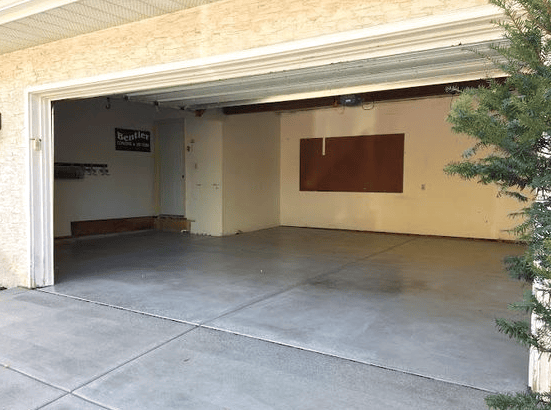
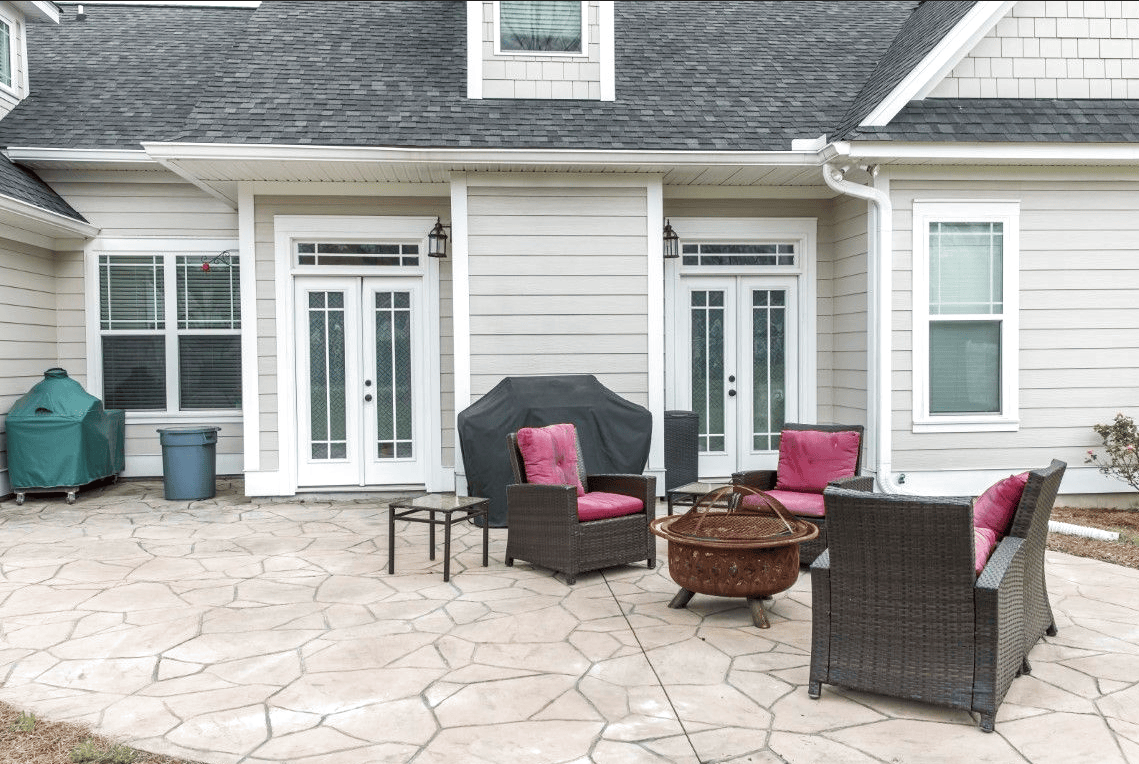
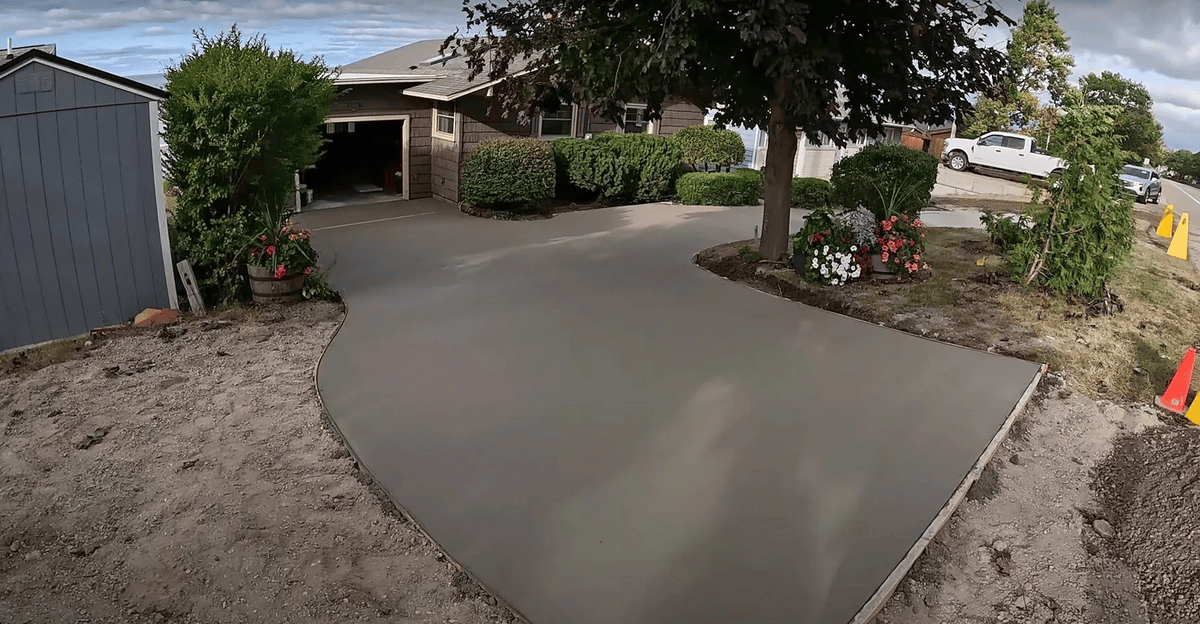
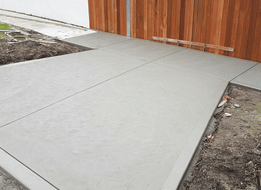
We work on garage floors across Birmingham and the surrounding areas, from Hoover and Vestavia Hills to Trussville and Homewood. With over 20 years of combined experience pouring concrete and more than 10 years working right here in the Birmingham area, we have a solid understanding of what local garage floors go through. The clay-heavy soil common throughout Jefferson and Shelby counties can shift with seasonal moisture changes, and that puts real stress on concrete slabs over time. We factor all of that into every job we take on.
Overview of Garage Floor Services We Offer
Whether you are starting from scratch, dealing with damage, or just want a better-looking surface, we handle a full range of concrete garage flooring work. We install new slabs, repair cracks, resurface uneven floors, and apply a variety of coatings and finishes. Every project starts with a proper assessment of the slab condition, moisture levels, and drainage before we do anything else.
New Concrete Garage Floor Installation
When you need a new garage floor poured, we follow ACI 302.1R guidelines to make sure the slab is built to last. We use a minimum of 3000 PSI concrete with a 4-inch slab thickness as a baseline, though we adjust the mix and depth based on your specific use case. We also account for a 1/8-inch per foot drainage slope, proper control joint placement, and reinforcement where needed. Getting these details right from the start is what separates a floor that holds up for decades from one that starts showing problems within a few years.
Garage Floor Repair and Crack Filling
Cracks in a garage floor are common, especially in areas like Cahaba Heights or Irondale where expansive clay subgrade is part of the local geology. We assess each crack to understand what caused it before deciding how to fix it. Surface cracks get treated differently than structural ones. We use control joint filler and polyurethane caulk where appropriate, and we make sure the repair bonds properly to the existing slab rather than just sitting on top of it. A repair done the right way blends in and holds up under vehicle traffic without reopening.
Resurfacing and Leveling Uneven Garage Floors
If your garage floor has low spots, rough patches, or an uneven surface, resurfacing is often the right move. We use self-leveling underlayment and grinding equipment, including a Husqvarna PG 820 grinder, to bring the floor to a flat, consistent profile. Before any resurfacing product goes down, we check moisture vapor emission rates using a Delmhorst moisture meter. If moisture is a concern, we address it with a moisture vapor barrier before moving forward. Birmingham summers bring high humidity, and that matters when it comes to how coatings and overlays bond to concrete.
Sealing, Polishing, and Epoxy Coating Options
Once the slab is in good shape, there are several garage flooring options to consider for the surface finish. An epoxy garage floor system typically includes an epoxy basecoat, broadcast vinyl flake, and a polyurea topcoat for a surface that resists oil, chemicals, and daily wear. We also offer polyaspartic coatings, which cure faster and hold up well under UV exposure. For a more decorative look, stained garage floors using concrete densifier lithium silicate can give you a polished, clean appearance. If you are comparing options like garage floor paint, garage floor tiles, or interlocking garage tiles to a professionally applied coating system, we are happy to walk you through the real differences in durability and long-term maintenance. We work with trusted product lines and follow ASTM D4259 surface prep standards to make sure whatever finish goes down actually sticks and lasts.
After going through your options, the next step is knowing when your floor actually needs attention. Some problems are easy to spot, while others develop slowly beneath the surface.
Signs Your Garage Floor Needs Attention
If you've been using your garage in Birmingham for more than a few years, chances are the floor has taken some wear. Between vehicle traffic, tool drops, oil spills, and Alabama's humid summers, concrete garage flooring takes a beating over time. Knowing what to look for can help you catch small problems before they turn into big ones.
Visible Cracks and Surface Damage
Small hairline cracks are common in older slabs, but not all cracks are equal. Some run deep and signal movement in the ground below. Birmingham sits on expansive clay subgrade in many areas, and that soil shifts with moisture changes throughout the year. When the ground moves, your slab can crack along with it. If you see cracks that are widening, have vertical separation, or run in a pattern across the floor, that's worth having us take a closer look at before you consider any garage floor coating or resurfacing work.
Uneven or Sunken Sections
An uneven floor isn't just an eyesore. It can create drainage problems, make it harder to park safely, and put stress on your slab. Homes in areas like Hoover, Trussville, and throughout Jefferson County can develop settling issues tied to soil conditions beneath the slab. A proper concrete repair addresses what's underneath, not just what you see on top. In some cases, a self-leveling underlayment can bring the surface back to a workable slope, including the recommended 1/8-inch per foot drainage slope that helps water move toward the garage door instead of pooling in the center.
Dusting, Flaking, and Concrete Deterioration
If you notice a fine powder on your garage floor that keeps coming back no matter how much you sweep, that's a sign the surface layer of concrete is breaking down. This is called dusting, and it usually means the top of the slab was finished too early during the original pour, or the mix wasn't quite right. Flaking and scaling are related problems where the surface peels away in thin layers. These issues make the floor harder to clean and can get worse over time. Applying a concrete densifier lithium silicate can help stabilize the surface in certain cases, though the right approach depends on how far along the deterioration has gone.
Staining, Moisture Problems, and Drainage Concerns
Oil stains, rust marks, and dark patches from standing water are all signs that your durable garage flooring may need more than a mop. Moisture is a particular concern in Birmingham, where humidity stays high for much of the year. If moisture vapor is pushing up through the slab from below, it can cause coatings to bubble, peel, or fail entirely. We use a moisture vapor emission tester to check slab conditions before recommending any treatment. High readings, anything above 3 lbs per 1000 sq ft per 24 hours, tell us a moisture vapor barrier is needed before we move forward with any finish work. Poor drainage can also lead to water sitting against your foundation, which only adds to the problem over time.
Once you have a clear picture of what your floor is dealing with, the next step is choosing how to treat and finish it. There are several garage flooring options worth considering depending on your goals, your budget, and how you use the space.
We've run into plenty of tricky jobs over our 10-plus years working in Birmingham, but one garage floor project in the Hoover area stands out as one of our toughest.
The homeowner wanted a clean, smooth concrete floor in a two-car garage that had an old, cracked slab underneath. On the surface, it looked like a straightforward job. But once we started breaking up the existing concrete, we found something we didn't expect. The soil underneath had shifted pretty significantly, leaving behind soft, uneven spots that wouldn't support a new pour without some serious prep work first.
In Birmingham, the clay-heavy soil we have throughout Jefferson County is known to expand and contract depending on how much rain we get. That summer had been a wet one, and the ground had moved more than usual. If we had just poured the new slab without addressing those soft spots, the floor would have started cracking within a year or two.
We took the time to bring in compacted gravel fill, re-grade the base, and make sure everything was properly leveled before we set up the forms. It added time to the project and required an honest conversation with the homeowner about adjusting the schedule. They appreciated us being upfront about it rather than cutting corners.
When the floor was finished and cured, it came out solid and level. That kind of result only comes from the experience our crew has built over 20 combined years of pouring concrete. We knew what to look for and how to handle it the right way.
Garage Floor Finishing Options
When it comes to concrete garage flooring, the finish you choose makes a real difference in how your floor holds up over time. We work with homeowners across Birmingham, from Hoover to Trussville and Mountain Brook, and the right finish depends on how you use your garage, what your slab looks like now, and what kind of upkeep you want to deal with later. Here is a breakdown of the most common options we install.
Plain Concrete Finish
A plain broom or trowel finish is the most basic option for flooring for garage spaces. It works fine for simple storage use, but bare concrete dusts over time, absorbs oil and moisture, and is harder to keep clean. Birmingham's humidity and seasonal moisture changes can also work against an unfinished slab, especially if your garage sits on expansive clay subgrade common to this area.
Epoxy Coatings
An epoxy garage floor system is one of the most popular options we install. A typical system starts with surface prep using a shot blast profile to open the concrete, followed by an epoxy basecoat, a broadcast vinyl flake layer, and a polyurea topcoat. The finished system usually builds to around 20 mil total thickness, which gives you solid protection against vehicle traffic, oil spills, and daily wear. We follow ASTM D4259 guidelines for surface prep and check moisture vapor emission rates before we coat anything, since a slab pushing past 3 lbs per 1000 sq ft per 24 hours can cause adhesion problems down the road.
Concrete Sealing
Sealing is a step up from bare concrete and a good choice if you want basic protection without the cost of a full coating system. A garage floor coating like a penetrating sealer or a concrete densifier with lithium silicate hardens the surface and cuts down on dusting and moisture absorption. It is not as tough as epoxy, but it holds up well for lighter use and is easier to reapply when needed.
Polished Concrete
Polished concrete is a solid pick for garages that double as workshops or hobby spaces. We use a Husqvarna PG 820 grinder to work through progressively finer grits until the surface reaches the sheen level you want. Stained garage floors pair well with polishing if you want some color and visual interest without a full coating system. Polished floors are easy to clean and hold up well, though they do require periodic maintenance to keep their look.
Slip-Resistant Surface Treatments
Safety matters, especially on a surface that sees water, oil, and foot traffic. We can add aluminum oxide aggregate or a silica sand broadcast into a topcoat to give your floor better grip without changing how it looks much. This works well for families with kids, older adults, or anyone who spends a lot of time moving around their garage. It is a simple addition that makes a real difference.
How to Choose the Right Finish for Your Garage
The best finish depends on a few things: your slab condition, how you use the space, and your budget. Waterproof garage flooring solutions like epoxy or polyaspartic coating make sense if moisture is a concern, which it often is here in the Birmingham area given our clay-heavy soils and wet seasons. If you want something quicker and more flexible, interlocking garage tiles or garage floor mats can cover a slab without any prep work, though they do not offer the same long-term protection as a bonded coating. We also hear from homeowners who have tried garage floor paint or garage floor tiles on their own and ended up with peeling, bubbling, or uneven results. Taking time to pick the right system from the start saves you from dealing with those problems later. A solid finish does more than look good. It sets the foundation for a floor that actually holds up, which brings us to why the quality of that foundation matters so much.
Benefits of a Quality Concrete Garage Floor
When you invest in concrete garage flooring, you are doing more than just improving how your garage looks. You are giving your home a surface that can hold up to years of real use. Whether your garage is in Vestavia Hills, Hoover, or Homewood, the right floor makes a noticeable difference every day. We have been working on garage floors across Birmingham for over 10 years, and we have seen firsthand how a well-installed floor changes how a space feels and functions.
Durability Under Heavy Vehicle Traffic
Concrete is one of the most reliable materials you can put under your vehicles. A properly poured slab, typically at least 4 inches thick with a minimum compressive strength of 3000 PSI, can handle the weight and movement of cars, trucks, and SUVs without breaking down over time. When we add a finish like a polyurea topcoat or epoxy basecoat, that durability goes up even further. The surface resists cracking, chipping, and the kind of wear that comes from daily parking and turning.
Easier Cleaning and Lower Maintenance
One of the biggest complaints we hear from homeowners is that their garage floor is impossible to keep clean. Raw concrete is porous, which means it soaks up everything. A sealed or coated surface changes that completely. Sweeping and mopping become quick jobs. You spend less time on upkeep and more time using your garage the way you want to.
Protection from Oil, Chemicals, and Moisture
Birmingham's humidity and seasonal rain can work against an untreated slab over time. The expansive clay soils common throughout Jefferson County and Shelby County also create moisture movement beneath slabs that can lead to surface problems. Waterproof garage flooring systems, including options with a moisture vapor barrier, help stop water from working its way up through the concrete. On the surface, a good garage floor coating protects against oil drips, battery acid, and other chemicals that would otherwise stain or eat into raw concrete.
Safer Surface for Everyday Use
A smooth, untreated concrete floor can get slippery when wet. We can add materials like aluminum oxide aggregate or silica sand broadcast into the finish coat to give the surface grip without making it rough or uncomfortable to walk on. This is a practical upgrade for any garage that gets regular foot traffic, especially if you use the space as a workshop or storage area.
Better Use of Your Garage Space
A finished floor does not just look better. It actually changes how you use the space. Many homeowners across areas like Trussville and Cahaba Heights start treating their garage as a real extension of their home once the floor is done. Whether you want to set up a workbench, add shelving, or just keep things organized, a clean and durable garage flooring surface makes all of that more practical.
Impact on Home Value in the Birmingham Market
Buyers in neighborhoods like Mountain Brook, Greystone, and Inverness notice finished garages. A quality concrete floor, whether it is a polished surface, stained garage floor, or a full epoxy garage floor system, adds to the overall impression your home makes. It signals that the property has been well cared for. While every home sale is different, a garage that looks clean and finished is rarely a negative in the eyes of a buyer.
Once you understand what a better garage floor can do for your home, the next natural question is how the work actually gets done. In the next section, we walk you through what to expect during the process from start to finish.
What to Expect During the Process
Initial Consultation and Job Assessment
When you reach out to us, the first thing we do is come take a look at your garage. We check the condition of your existing slab, look for cracks or uneven areas, and talk with you about how you use the space. Whether you have a two-car garage in Vestavia Hills or a workshop setup in Hoover, the starting point is always the same: understanding what you have and what you need before we recommend any garage flooring options.
Surface Preparation and Existing Floor Evaluation
This step is one of the most important parts of the whole job. We use equipment like a Blastrac shot blaster or a Husqvarna PG 820 grinder to open up the concrete surface and get it ready to bond properly with any coating or new material. We also test for moisture using a moisture vapor emission tester, because Birmingham's humidity can push vapor up through a slab and cause coatings to fail if that issue is not addressed first. We aim for a CSP 3-4 surface profile, which gives coatings something solid to grip. If we find cracks, we fill them with control joint filler or polyurethane caulk before moving forward. Skipping this prep work is one of the main reasons DIY garage floor projects end up peeling or bubbling within a year or two.
Pouring or Resurfacing the Concrete
If you need a new slab, we pour at a minimum of 3,000 PSI concrete with a 4-inch slab thickness, which is the right baseline for a residential garage. We also account for proper drainage by setting a 1/8-inch per foot drainage slope where needed. For floors that are structurally sound but worn or uneven, resurfacing is often the better path. We can apply a self-leveling underlayment to smooth things out before adding your chosen finish. Birmingham's red clay soil and expansive clay subgrade can shift over time, so we pay attention to control joints to give the slab room to move without cracking.
Curing Time and What Affects It in Birmingham's Climate
Concrete needs time to cure properly, and how long that takes depends on temperature and humidity. In Birmingham, summers are hot and humid, while winter months can bring cold snaps that slow things down. We monitor conditions throughout the curing process and make adjustments as needed. For coating systems, the recoat window is typically 2 to 4 hours at 77 degrees Fahrenheit, but that can shift depending on the day. We use an infrared thermometer and a Delmhorst moisture meter to track conditions and make sure we are not moving too fast or too slow.
Final Finishing and Coating Application
Once the slab is ready, we apply your chosen finish. Options include an epoxy basecoat with broadcast vinyl flake, a polyaspartic coating, or a polyurea topcoat, depending on what works best for your space and budget. For homeowners who want durable garage flooring that also looks clean and polished, an epoxy garage floor system with a 10 mil dry film thickness is a solid choice. We also work with decorative finishes like stained garage floors and garage floor coating systems that protect against oil, moisture, and daily wear. If you are considering waterproof garage flooring, we can talk through which system makes the most sense for your situation. The right finish depends on your goals, and we help you sort through the choices without overcomplicating it.
Once your floor is finished and fully cured, the next thing most homeowners want to know is what all of this costs. Pricing for garage floor work in Birmingham varies based on square footage, condition of the existing slab, and the type of finish you choose.
Straightforward Concrete Work in Birmingham
We are a concrete contractor based right here in Birmingham, AL. Our team has over 20 years of combined experience pouring concrete, and we have spent more than 10 years working specifically in the Birmingham area. That means we know the local soil conditions, the weather patterns that affect how concrete cures, and the building standards that apply to projects in this region.
Concrete work is not something you want to redo. When it is done right the first time, it holds up for decades. When it is not, you end up with cracks, settling, and repairs that cost more than the original job. We take the time to do things correctly from the start, whether we are working on a driveway, a patio, a foundation, or a commercial slab.
Over the years, we have worked on projects across Birmingham and the surrounding communities, including Hoover, Vestavia Hills, Homewood, and Trussville. We understand what works in this area and what does not. The red clay soil common throughout Jefferson County, for example, requires careful ground preparation before any concrete is poured. These are the kinds of details that come from real experience, not just reading a manual.
When you reach out to us, you are talking directly with the people who will show up and do the work. We keep things straightforward, give you honest assessments, and make sure you understand what the job involves before anything gets started.
Garage Floor Cost in Birmingham, AL
When homeowners in places like Vestavia Hills, Hoover, or Trussville ask us what a garage floor project costs, the honest answer is that it depends on several things. We know that's not the number you were hoping for, but understanding what drives the price helps you plan better and avoid surprises. Below, we break down what affects cost, what you can generally expect to pay, and how we put together a quote that actually reflects your specific situation.
Factors That Affect the Price of a Garage Floor Project
The biggest cost driver is the condition of your existing slab. A garage floor with deep cracks, uneven sections, or moisture problems needs more prep work before we can apply any garage floor coating or pour new concrete. Birmingham's soil, particularly the expansive clay common across Jefferson and Shelby counties, can shift seasonally and cause slabs to crack or heave over time. That kind of damage takes real work to correct properly.
Square footage matters too, but it's not the only number we look at. A two-car garage in a Ross Bridge home and a two-car garage in Irondale might be the same size but need completely different approaches based on slab age, drainage slope, and moisture vapor levels. We use a moisture vapor emission tester to check whether the slab is holding moisture above safe thresholds before we apply any coating system. Skipping that step leads to peeling and bubbling down the road, which costs more to fix than doing it right the first time.
The type of finish you choose also plays a big role. Concrete garage flooring with a basic broom finish costs less than a full epoxy basecoat and polyurea topcoat system. Options like stained garage floors, decorative quartz aggregate, or broadcast vinyl flake add to the total but also add a lot of value in terms of looks and durability. Garage floor tiles and interlocking garage tiles are another route, though they sit on top of the slab rather than bonding to it, which affects how they perform over time under vehicle traffic.
Typical Cost Ranges for Installation, Repair, and Coating
For a standard two-car garage in the Birmingham area, here's a general idea of what different scopes of work tend to run:
New concrete slab installation, including a 4-inch slab thickness at 3000 PSI minimum, typically runs somewhere between $6 and $12 per square foot depending on site prep, access, and reinforcement needs. Concrete repair work, such as crack filling with control joint filler or grinding down high spots with a Husqvarna PG 820 grinder, generally starts around $3 to $5 per square foot but can go higher for more involved work. Coating systems like an epoxy garage floor with a polyurea topcoat, which is one of the more popular options we install, usually fall in the range of $5 to $10 per square foot for a quality system built to a 20 mil total system build. Simpler options like garage floor paint or a basic concrete densifier lithium silicate treatment come in lower, while waterproof garage flooring systems with full moisture mitigation run on the higher end. These are general ranges, not firm quotes. Every slab is different, and we've seen plenty of projects where what looked like a simple coating job turned into a repair project once we got in there and assessed the surface properly.
How to Get an Accurate Quote From Us
We don't do ballpark quotes over the phone for garage floor work. That might be inconvenient to hear, but a number given without seeing the slab isn't worth much. What we do is schedule a time to come out, look at the floor in person, check moisture levels, assess surface condition, and talk through what you're hoping to get out of the space. Whether you're in Homewood, Pelham, or out near Cahaba Heights, we make the trip.
From there, we put together a written estimate that covers materials, labor, prep work, and timeline. We have over 20 years of combined experience pouring and finishing concrete, and more than 10 years working specifically across the Birmingham area. That experience means we know what local conditions require and we don't guess at it. Getting a quote from us gives you a clear picture of what the work actually involves so you can compare it fairly against other options you're considering.
Once you have that information in hand, it helps to know a little more about who we are and how we approach every project we take on.
Why Work With Us
We know you have options when it comes to choosing a concrete contractor in Birmingham, and we want to be straightforward about who we are and how we work.
Over 20 Years of Concrete Experience
Our team has more than 20 years of combined experience working with concrete. That covers everything from pouring new slabs to repairing damaged surfaces and applying garage floor coating systems. Over the years, we have worked on all kinds of garage floors, including plain slabs, stained garage floors, epoxy systems, and durable garage flooring setups built to hold up under heavy vehicle traffic. We understand proper slab prep, control joint placement, curing methods, and surface profiling. That depth of experience matters when you are trusting someone with a concrete project in your home.
More Than 10 Years Serving Birmingham Homeowners
We have been working specifically in the Birmingham area for over a decade, serving homeowners in neighborhoods like Hoover, Vestavia Hills, Mountain Brook, Trussville, and Homewood. We understand local conditions well. Birmingham's clay-heavy soils, seasonal humidity, and temperature swings affect how concrete slabs behave over time. An epoxy garage floor system that works in a dry climate needs to be handled differently here, where moisture vapor emission can be a real concern. We test for moisture before we coat, and we choose materials suited to what the slab and the local environment actually need.
Our Approach to Quality and Honest Communication
We do not cut corners on prep work. Before we apply any concrete garage flooring system, we assess the slab condition, check for cracks or uneven areas, and evaluate drainage. We use standards like ASTM D4259 for surface preparation and follow ICRI CSP guidelines to ensure the right surface profile before any coating goes down. When you ask us a question, we give you a straight answer. If your slab has a problem that needs to be addressed before we can apply waterproof garage flooring materials or a garage floor paint system, we will tell you that upfront rather than cover it up and leave you with a failure a year later.
How We Handle Scheduling and Follow-Through
We show up when we say we will. We give you a realistic timeline before the project starts, and we stay in contact with you throughout the job. If something unexpected comes up, like a moisture reading that changes our material plan, we walk you through what we found and what we recommend. When the project is done, we make sure the work meets the standard we described at the start. That kind of follow-through is something we take seriously on every job, whether it is a small repair or a full garage flooring options installation across a large attached garage.
Choosing the right contractor is one of the most important decisions in any concrete project, and we hope the information above gives you a clear picture of what it looks like to work with us. In the next section, we will wrap up the key points to keep in mind as you plan your garage floor project.
Ready to Get Started on Your Birmingham Garage Floor?
We have spent over 20 years working with concrete and more than 10 of those years serving homeowners across Birmingham, from Hoover and Vestavia Hills to Trussville and Homewood. We know what your garage floor is up against here, including the heat, humidity, and the shifting that comes with Birmingham's expansive clay soil. When you work with us, you get a team that understands local conditions and knows how to build a floor that holds up.
What We Bring to Your Garage Floor Project
Whether you are looking at concrete garage flooring, an epoxy garage floor system, or other garage flooring options like stained garage floors or waterproof garage flooring, we handle the full process from start to finish. Here is what you can expect when you choose us:
- Thorough slab assessment before any work begins, including moisture testing and crack evaluation
- Proper surface preparation using professional equipment to meet CSP 3-4 surface profile standards
- Durable garage flooring solutions matched to your specific needs and budget
- Finishing options that resist oil, grease, vehicle traffic, and daily wear
- A cleaner, safer surface that is easier to maintain over time
- Guidance on garage floor coating systems, including epoxy basecoat and polyurea topcoat options
- Work done to ACI 302.1R standards for slab construction and finishing
- Honest recommendations based on your garage condition and how you use the space
- A team that stands behind the work long after the job is done
Take the Next Step
If your garage floor is cracked, dusty, stained, or just worn out, we are ready to help you figure out the best path forward. Getting the right flooring for your garage does not have to be complicated. Fill out the quote form below or give us a call, and we will walk you through your options at no cost to you.
Birmingham AL Concrete
3301 Lorna Rd
Birmingham, AL 35216
Business Hours
| Mon | 7:00 AM – 10:00 PM |
| Tue | 7:00 AM – 10:00 PM |
| Wed | 7:00 AM – 10:00 PM |
| Thu | 7:00 AM – 10:00 PM |
| Fri | 7:00 AM – 10:00 PM |
| Sat | 7:00 AM – 10:00 PM |
| Sun | 7:00 AM – 10:00 PM |