Basement Floors & Walls in Birmingham
Basement Wall and Floor Concrete Services in Birmingham
Service Area Confirmation for Birmingham, AL and Surrounding Communities
We provide basement wall and floor concrete services throughout Birmingham, AL and the surrounding communities. Our crew works regularly in neighborhoods like Homewood, Mountain Brook, Vestavia Hills, Hoover, Irondale, and Avondale, as well as subdivisions including Greystone, Inverness, Ross Bridge, and Cahaba Heights. Whether your home sits close to Red Mountain Park or further out along Highway 280 or Interstate 459, we are familiar with the area and ready to help.
Common Basement Problems Birmingham Homeowners Face
If you are dealing with wet floors, bowing walls, visible cracks, or a musty smell coming from your basement, you are not alone. These are some of the most common issues we see in homes across the Birmingham area. Water seeping through concrete basement floors or block walls can lead to mold, damaged belongings, and structural concerns if it goes untreated. Whether you need basement wall repair techniques to address cracking or shifting, or you are starting fresh with basement flooring installation, getting the right diagnosis early saves you money and stress down the road. We have over 20 years of combined experience pouring and repairing concrete, with more than 10 years working specifically in this area, so we understand what these basements are dealing with.
Local Knowledge: Birmingham Soil, Weather, and Housing Conditions That Affect Basements
Birmingham sits on a mix of residual clay soil and areas influenced by the Red Mountain Formation and karst topography, which means the ground here shifts, swells, and drains unevenly depending on where your home is located. Alabama Red Clay and expansive clay soils are common in many neighborhoods, and they hold moisture in ways that create hydrostatic pressure against basement walls and floors. The humidity and rainfall Birmingham gets throughout the year, especially during spring storm season and the wet months near Village Creek and Shades Creek corridors, make basement moisture control solutions a real priority rather than an optional upgrade. Older homes in areas like Woodlawn, Norwood, and East Lake often have aging block walls and original concrete slabs that were never designed to handle long-term moisture exposure. When we talk with homeowners about basement flooring options Birmingham AL, we always factor in what the ground and weather in this specific region are doing to the structure beneath their feet.
Local FAQ: Questions Birmingham Homeowners Ask About Basement Floors and Walls
Can Birmingham's clay soil really damage my basement walls? Yes. Expansive clay soil absorbs water and pushes against foundation walls, which can cause bowing, cracking, and long-term structural movement. We account for this when planning any wall repair or new wall installation.
What are my basement flooring options if my current slab is cracked or uneven? Depending on the condition of your existing slab, we can grind it down and resurface it, pour a new overlay, or replace sections entirely. For finished spaces, epoxy flooring for basements is a popular and durable choice. Vinyl flooring for basements is another option some homeowners consider after the concrete is properly prepared and leveled.
Do I need a permit for basement concrete work in Birmingham? It depends on the scope of the work. The City of Birmingham Building Permits Division and Jefferson County Building Permits office both have requirements that may apply to structural repairs, new slabs, or waterproofing systems. We are familiar with the Birmingham Jefferson County Building Code and can help you understand what applies to your project.
How do you handle moisture before finishing a basement floor? We assess the source of the moisture first. Depending on the situation, solutions can include a 20-mil vapor barrier, crystalline waterproofing admixture added to the concrete mix, or proper drainage planning with a sump pump system. Getting moisture proof basement walls and a properly sealed floor is the foundation of any good basement finishing plan.
With those basics covered, it helps to take a closer look at how basement floors and walls are actually built and what makes the difference between concrete that holds up and concrete that fails.
Understanding Basement Concrete: Floors and Walls
What Basement Concrete Floors and Walls Actually Are
When we talk about basement concrete, we are referring to two separate but connected parts of your home's foundation system. The floor is typically a poured concrete slab, most often 4 to 6 inches thick, sitting directly on compacted soil or a gravel bed. The walls are either poured concrete or concrete masonry units, which most people call CMU block. Both are built to hold back soil, manage moisture, and support the weight of the structure above. In Birmingham, most older homes in neighborhoods like Homewood, Mountain Brook, and Vestavia Hills were built with CMU block basement walls, while newer construction in areas like Ross Bridge and Greystone tends to use poured concrete walls.
How Basement Floors and Walls Work Together Structurally
Your basement floor and walls are not independent pieces. They work as a system. The floor slab acts as a base that helps hold the bottom of your walls in place, resisting inward movement caused by soil pressure and hydrostatic pressure from groundwater. The walls, in turn, transfer the load of your home down into the ground. When one part of this system weakens, the other often shows the effects. A cracked or settled floor can put stress on wall joints, and walls that bow or shift can pull away from the slab. We have seen this pattern many times over our combined 20-plus years working with concrete, including more than 10 years specifically in the Birmingham area.
Birmingham sits on a mix of geological conditions, including residual clay soil and areas influenced by the Red Mountain Formation. Clay soil expands when wet and contracts when dry, which puts ongoing stress on both floors and walls throughout the year. That kind of seasonal movement is one reason why the floor-to-wall connection matters so much here.
Why Concrete Is the Standard Material for Basements in Birmingham
Concrete is used in basements because it handles compressive loads well, resists soil pressure, and can be finished or coated in a range of ways depending on how you plan to use the space. Whether you are looking at concrete basement floors as-is for storage or exploring basement flooring options like epoxy flooring for basements or vinyl flooring for basements, the concrete slab underneath is always the foundation of that decision. For walls, concrete and CMU both provide the structural mass needed to resist the soil bearing down from outside.
Proper installation matters from the start. We mix to the right specifications, typically 3500 to 4000 PSI concrete, and use rebar Grade 60 and welded wire fabric where the design calls for it. Materials like a 20-mil vapor barrier beneath the slab and a crystalline waterproofing admixture in the mix go a long way toward basement moisture control solutions that hold up over time. When these components are installed correctly, you get a basement that stays drier, holds its shape, and stays usable year after year, even through Birmingham's wet summers and humid conditions near areas like the Cahaba River corridor.
Understanding what your basement floor and walls are made of, and how they interact, makes it easier to recognize when something is wrong. That brings us to the floor itself, and the most common problems we run into with basement slabs across Birmingham.
Common Basement Floor Problems We See in Birmingham
After more than 20 years of pouring concrete and over a decade working specifically in Birmingham, we have seen just about every basement floor problem that exists. The soil conditions here, the humidity, and the way older homes were built all play a role in how basement floors hold up over time. Whether your home is in Homewood, Mountain Brook, or out in Hoover, the problems we run into tend to follow some familiar patterns.
Cracks in Basement Floors and What Causes Them
Cracks are the most common thing we find when we inspect a basement floor. Some cracks are minor and cosmetic, but others point to something more serious going on beneath the surface. Birmingham sits on a mix of expansive clay and residual soils that shift and move with moisture changes. When the ground swells in wet seasons and contracts in dry ones, your concrete slab is constantly under pressure. This movement causes shrinkage cracks and structural cracks alike. We follow ACI 318 guidelines to assess crack width and depth so we can tell you exactly what you are dealing with before we recommend a repair path.
Uneven or Sunken Floors from Soil Movement
Alabama Red Clay is notorious for moving under slabs. When water gets into the soil beneath your basement floor, it can wash out fine particles or cause the clay to swell and settle unevenly. The result is a floor that rocks, slopes, or has sections that have clearly dropped. We use a laser level to measure exactly how much movement has occurred. In some cases, the fix involves lifting and releveling the slab. In others, we need to address the drainage issue first so the problem does not come back after we repair the surface.
Water Seepage and Moisture Damage on Basement Floors
Birmingham gets a significant amount of rainfall each year, and that water has to go somewhere. When it finds its way through your basement floor, you end up with standing water, damp concrete, and eventually serious damage. Hydrostatic pressure builds up under the slab when the soil is saturated, and it pushes water up through cracks and cold joints. We often find that homes near Village Creek or in low-lying areas of East Lake and Woodlawn deal with this more frequently. Proper basement moisture control solutions start at the floor level, and that sometimes means installing a vapor barrier, improving drainage, or looking at a sump pump system to relieve pressure before it causes more damage.
Spalling, Pitting, and Surface Deterioration
Spalling happens when the surface layer of concrete begins to flake, chip, or pop off. You might notice rough patches, exposed aggregate, or small holes forming across your basement floor. This is often caused by moisture cycling through the slab, freeze-thaw events during colder Birmingham winters, or the use of de-icing salts near entryways. Over time, a deteriorated surface becomes harder to clean, collects debris, and can make basement flooring installation more difficult if you are planning to finish the space. We can grind down the damaged surface and apply new concrete or a coating like epoxy flooring for basements to restore a clean, durable finish.
Mold and Mildew Growth Tied to Concrete Floor Conditions
Concrete feels solid, but it is actually porous. When moisture moves through your basement floor and there is not enough airflow, mold and mildew can take hold quickly. Birmingham's humidity makes this worse than in drier climates. You might smell it before you see it. In some cases, mold grows under flooring materials or along the edges where the floor meets the wall. Fixing the floor surface alone is usually not enough. We look at the full picture, including drainage, vapor barriers, and ventilation, to give you a basement that stays dry over the long run. That kind of work also sets the foundation for exploring basement flooring options that will actually hold up, whether you are thinking about storage, a finished room, or something else entirely.
Floor problems and wall problems in a basement are almost always connected. Once we understand what is happening beneath your feet, the next step is looking at what is going on with your basement walls.
A few years back, we took on a basement floor and wall project for a homeowner over in Hoover, just southwest of Birmingham. It seemed straightforward at first, but it turned into one of the more memorable jobs in our 20-plus years of pouring concrete.
About two days before we were set to pour, we got several inches of rain. Anyone who knows the Birmingham area understands that our red clay soil does not drain well at all. When we showed up to the site, the ground around the basement walls had shifted just enough to cause a section of the forming work to move slightly out of plumb. If we had poured concrete against those forms without fixing the problem, the finished walls would have been uneven and structurally weak.
We stopped everything and spent the better part of a day re-setting and bracing the forms properly. We also had to pump standing water out of the basement floor area before we could continue. On top of that, we brought in extra fill material to stabilize the base beneath where the floor slab would sit, because the wet clay had softened up more than we were comfortable with.
Once the site was ready and the weather cleared, we moved forward with the pour. The finished basement floor and walls came out level, solid, and exactly what the homeowner needed. That job reminded us why preparation and patience matter so much. Taking shortcuts after a setback like that would have created problems for that homeowner for years to come, and that is just not how we work.
Common Basement Wall Problems We See in Birmingham
After more than 10 years working in Birmingham and over 20 years of combined concrete experience, we've seen just about every basement wall problem that shows up in this area. The soil conditions here, including expansive Alabama Red Clay and residual clay soil common throughout neighborhoods like Mountain Brook, Homewood, and Vestavia Hills, put real stress on basement walls over time. Hydrostatic pressure from Birmingham's heavy seasonal rain only adds to that load. Knowing what you're dealing with is the first step toward fixing it right.
Horizontal and Vertical Cracks in Basement Walls
Cracks are one of the most common things we find when we assess a basement. Vertical cracks often come from normal concrete shrinkage or minor foundation settling. Horizontal cracks are more serious. They usually mean the wall is taking on pressure from the surrounding soil, which is a structural concern that needs attention. We use epoxy injection resin and polyurethane injection resin with 1/2-inch epoxy injection ports to fill and seal cracks properly, following ACI 318 guidelines to make sure the repair actually holds.
Bowing or Leaning Walls from Soil and Water Pressure
When a basement wall starts to bow inward, it means the soil outside is pushing harder than the wall can handle. This happens frequently in areas like Hoover and Irondale where clay-heavy soils expand when wet. Depending on how far the wall has moved, we may recommend carbon fiber straps or wall anchor plates to stabilize and, in some cases, gradually straighten the wall. We source quality materials locally through suppliers like Vulcan Materials and Alabama Concrete Supply, and all work is done in compliance with the Birmingham Jefferson County Building Code.
Water Intrusion Through Basement Walls
Birmingham gets significant rainfall throughout the year, and waterproof basement walls are not something you want to leave to chance. We see water coming through wall joints, cracks, and porous concrete masonry units on a regular basis. To address this, we work with products like crystalline waterproofing admixture, hydraulic cement, and dimple mat systems backed by a 20-mil vapor barrier. Proper moisture proof basement walls also require attention to drainage, so we often pair wall repairs with French drain tile installation or a sump pump setup to redirect water before it becomes a bigger problem.
Efflorescence and Mineral Staining on Wall Surfaces
That chalky white residue you sometimes see on basement walls is called efflorescence. It forms when water moves through concrete or block and carries dissolved minerals to the surface. While it's not a structural issue on its own, it's a clear sign that moisture is working its way through your walls. We treat affected surfaces using muriatic acid or trisodium phosphate before applying a sealing solution. Left untreated, the ongoing moisture cycle can weaken the wall surface and lead to more serious deterioration over time.
Wall Deterioration from Age and Poor Original Construction
Older homes throughout Avondale, Woodlawn, Ensley, and East Lake often have basement walls that were originally built with materials or methods that simply don't hold up well over decades. Thin concrete, improperly mixed mortar, and block walls without adequate reinforcement are all things we've come across. In cases where the existing wall can't be adequately repaired, we can rebuild sections using 8-inch CMU block with rebar Grade 60 and 3500 PSI concrete to bring the wall up to current standards under the Alabama Building Code. We always pull the proper permits through the City of Birmingham Building Permits Division before any structural work begins.
Once the walls are stable and protected, the next area to look at is what's underfoot. The condition of your basement floor plays just as big a role in how well the space holds up, and we offer a full range of basement floor services to match whatever your situation calls for.
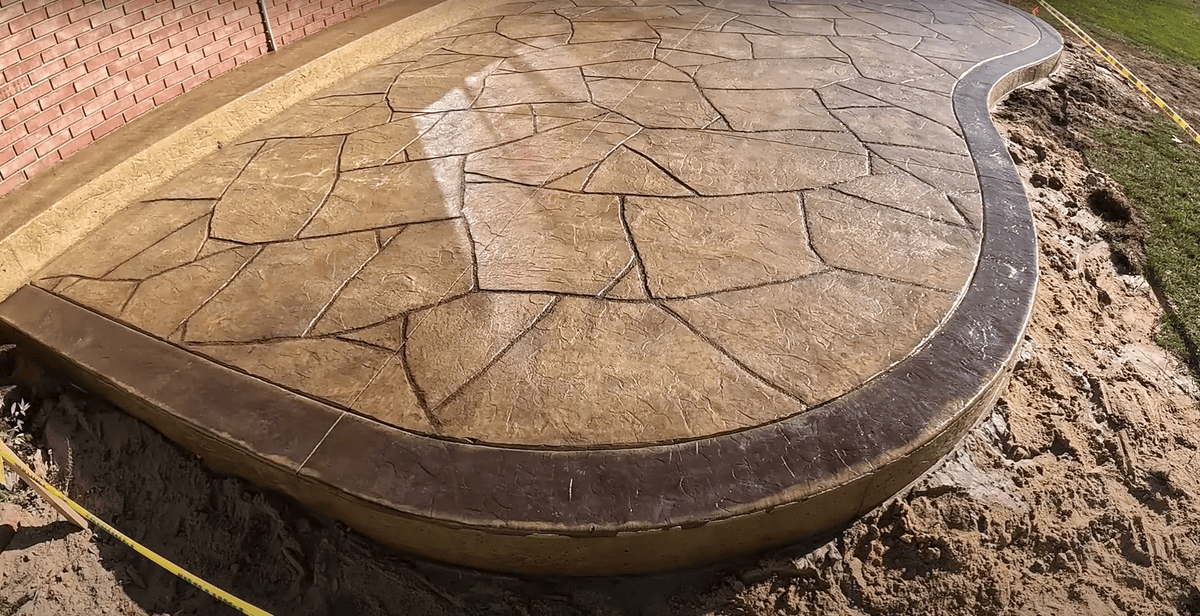
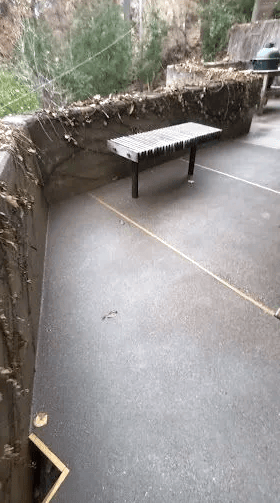
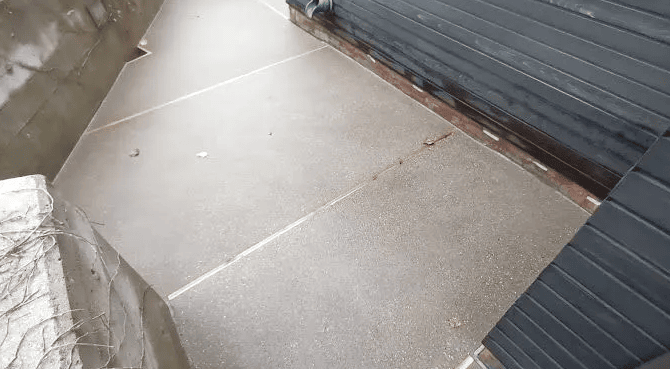
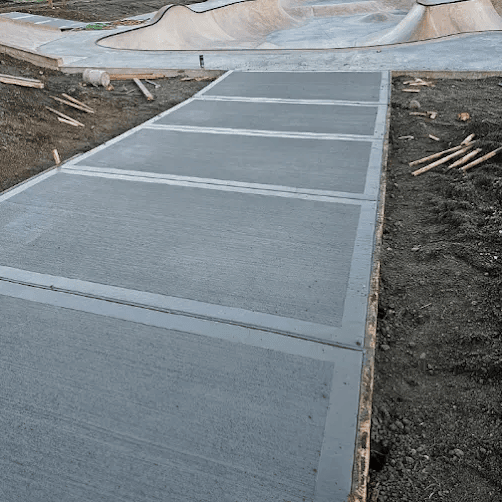
Basement Floor Services We Offer
Whether your basement floor is brand new, years old, or somewhere in between, we work with you to figure out what it actually needs. Our team has been doing basement flooring installation and repair work in Birmingham for over a decade, and we understand how the local soil, humidity, and seasonal rain patterns affect concrete over time. Below is a breakdown of what we offer for basement floors.
New Basement Floor Installation
When you need a new concrete basement floor, we start by evaluating the subgrade and making sure it is properly compacted before we pour anything. We typically use 4000 PSI concrete with #4 rebar at 12-inch OC and welded wire fabric to give the slab the strength it needs for long-term use. We also account for a vapor barrier, usually a 20-mil sheet, beneath the slab to help with basement moisture control from the ground up. Slab thickness is usually 4 to 6 inches depending on your intended use, and we work in line with the Alabama Building Code and any permit requirements from the City of Birmingham Building Permits Division.
Basement Floor Crack Repair
Cracks in a basement floor are common in Birmingham, especially in areas like Homewood, Mountain Brook, and Vestavia Hills where expansive clay soil and shifting ground put pressure on slabs over time. Small cracks can be filled using epoxy injection resin or polyurethane injection resin depending on whether the crack is active or stable. We use a wall crack injection pump to get the material fully into the crack rather than just coating the surface. This helps stop water from seeping through and keeps the crack from growing.
Floor Leveling and Resurfacing
If your floor has low spots, uneven areas, or a surface that has worn down, we can grind and resurface it rather than tearing it out completely. We use a concrete grinder to prep the surface and then apply a resurfacing mix that bonds to the existing slab. This is a practical option when the structural integrity of the floor is still solid but the surface has seen better days. It also opens up more basement flooring options for finishing later, including epoxy coatings or vinyl flooring for basements.
Concrete Replacement for Heavily Damaged Basement Floors
Sometimes repair is not the right answer. If your slab has widespread cracking, significant settling, or damage from long-term water intrusion, a full replacement may be the more cost-effective path. We jackhammer out the old concrete, address any drainage or soil issues underneath, and pour a new slab built to current standards. We source material from suppliers like Cemex Birmingham and Alabama Concrete Supply to make sure the mix meets ASTM C33 and ASTM C150 specifications.
Waterproof Coatings and Sealers for Basement Floors
Bare concrete absorbs moisture, and in a place like Birmingham where humidity stays high much of the year, that can lead to mold, mildew, and musty odors over time. We apply waterproof coatings and sealers, including epoxy flooring for basements, that create a barrier between the concrete and moisture. Products like Xypex Concentrate and crystalline waterproofing compounds work by bonding with the concrete itself rather than just sitting on top of it. This is one of the more straightforward ways to improve your basement's long-term performance without a major overhaul.
Once your floor is in good shape, the walls are the next thing to look at. Water, pressure, and settling can all affect basement walls just as much as floors, and getting both right is what makes a basement truly solid and usable.
Basement Wall Services We Offer
Basement walls do a lot of work. They hold back soil, resist moisture, and support the structure above. Over time, Birmingham's expansive clay soils and wet seasons put real stress on concrete and masonry walls. We work on basement walls across the area, from older homes in Avondale and Woodlawn to newer builds out in Greystone and Liberty Park. Here is a breakdown of what we do.
Basement Wall Construction and Forming
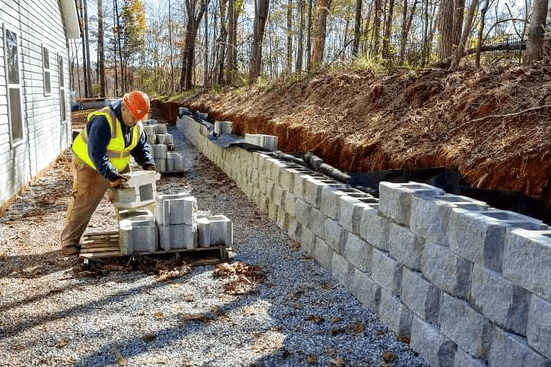
When you need a new basement wall built from the ground up, we handle the full process. We set forms, place rebar Grade 60 at the right spacing, and pour to meet the structural demands of your specific site. Depending on your project, we may work with poured concrete or concrete masonry units (CMU). We follow ACI 332 and the Birmingham Jefferson County Building Code throughout, and we pull permits through the City of Birmingham Building Permits Division when required. Getting the wall right from the start reduces problems with cracking, settling, and moisture down the road.
Wall Crack Repair and Sealing
Cracks in basement walls are common in Birmingham, partly because of residual clay soil and the area's fluctuating moisture levels. Small cracks can let in water, and over time they can grow. We use epoxy injection resin and polyurethane injection resin depending on the type and location of the crack. For active leaks, hydraulic cement is sometimes the right first step. We use 1/2-inch epoxy injection ports and a wall crack injection pump to fill cracks cleanly from the inside. The goal is to stop water from getting through and prevent the crack from spreading.
Wall Reinforcement and Stabilization
If your basement walls are bowing, leaning, or showing signs of movement, that is a structural concern that needs attention before it gets worse. We use carbon fiber straps and wall anchor plates to stabilize walls that are shifting inward due to soil pressure. In more serious cases, steel I-beams may be needed to provide additional support. Birmingham's geology, including areas with bedrock limestone close to the surface and expansive clay in between, can create uneven lateral pressure on walls. We assess the situation carefully before recommending a repair path.
Waterproofing Treatments for Basement Walls
Keeping water out of your basement walls is one of the most important things you can do for your home's long-term health. We apply products like crystalline waterproofing admixture and surface-applied compounds such as Xypex Concentrate and Thoroseal depending on what the wall needs. For walls with ongoing moisture problems, we may pair surface treatments with a dimple mat or HDPE drainage board to manage water before it ever reaches the wall face. Proper moisture proof basement walls make a real difference during Birmingham's rainy seasons and help reduce the risk of mold and musty odors inside the space. Addressing basement moisture control solutions at the wall level also protects whatever flooring or finishing you plan to add later.
Parging and Wall Resurfacing
Parging is the process of applying a thin coat of mortar or cement-based material over a concrete or masonry wall to smooth out the surface and add a layer of protection. If your basement walls are rough, spalling, or have minor surface damage, parging can restore a clean, solid face. We also use products like Mapelastic and MasterSeal for resurfacing where a more flexible, moisture-resistant finish is needed. This work is often done before basement wall insulation is added or before the space is prepared for finishing, giving you a better surface to work with going forward.
Wall condition and waterproofing go hand in hand. Once your walls are stable, sealed, and properly resurfaced, the next layer of protection involves a more complete approach to keeping water out of the entire basement space.
Concrete Work Done Right in Birmingham
We are a concrete contractor based right here in Birmingham, AL. Our team has over 20 years of combined experience pouring concrete, and we have spent more than 10 years working specifically in the Birmingham area. That means we know the local soil conditions, the weather patterns that affect how concrete cures, and the building standards that apply to projects in this region.
Concrete work is not something you want to redo. When it is done right the first time, it holds up for decades. When it is not, you end up with cracks, settling, and repairs that cost more than the original job. We take the time to do things correctly from the start, whether we are working on a driveway, a patio, a foundation, or a commercial slab.
Over the years, we have worked on projects across Birmingham and the surrounding communities, including Hoover, Vestavia Hills, Homewood, and Trussville. We understand what works in this area and what does not. The red clay soil common throughout Jefferson County, for example, requires careful ground preparation before any concrete is poured. These are the kinds of details that come from real experience, not just reading a manual.
When you reach out to us, you are talking directly with the people who will show up and do the work. We keep things straightforward, give you honest assessments, and make sure you understand what the job involves before anything gets started.
The Role of Waterproofing in Basement Concrete
Why Waterproofing Matters in Birmingham's Climate
Birmingham gets a lot of rain throughout the year, and the humidity alone can cause problems for basement concrete over time. Areas like Homewood, Vestavia Hills, and Mountain Brook sit on soil profiles that include expansive clay and residual clay, which hold water and shift with moisture changes. That movement puts pressure on basement walls and floors. Without proper waterproofing, that pressure leads to seepage, cracking, and eventually mold. We have worked in this area for over 10 years and have seen firsthand what Birmingham's soil and weather can do to an unprotected basement.
Interior vs. Exterior Waterproofing Approaches
There are two main ways to address water in a basement, and the right choice depends on your specific situation. Exterior waterproofing means addressing the problem at its source by applying a 60-mil HDPE membrane or a crystalline waterproofing admixture on the outside of the foundation wall before backfilling. This works well on new construction or when full excavation is possible. Interior waterproofing focuses on managing water that has already made its way in. We commonly use methods like epoxy injection resin for crack repair, interior drain tile systems with a sump pump, and vapor barriers rated at 20-mil to control moisture proof basement walls from the inside. Both approaches are valid, and sometimes a combination of the two gives you the best result.
How We Apply Waterproofing to Floors and Walls
For concrete basement floors, we start with proper surface preparation using a concrete grinder and clean the surface with trisodium phosphate before applying any coating or barrier. A vapor barrier is laid beneath new slabs, and we typically pour at 4000 PSI concrete with #4 rebar at 12-inch OC for added strength. For basement flooring installation over existing concrete, we make sure the slab is level, sound, and dry before any finish goes down. On walls, we apply products like Xypex Concentrate or hydraulic cement to seal active leaks, and we use HDPE drainage board along the wall base to redirect water to a drain tile system. Where wall damage is significant, we rely on carbon fiber straps or wall anchor plates depending on the degree of bowing or separation.
Long-Term Benefits of a Properly Waterproofed Basement
A waterproofed basement holds up better over time, plain and simple. You get better moisture control, which reduces the conditions that lead to mold and mildew. Your basement flooring options expand significantly because a dry, stable surface can support vinyl flooring for basements, epoxy flooring for basements, or other finishes without the risk of moisture pushing up from below. A properly sealed basement also performs better as living or storage space, and it supports your home's overall energy efficiency, especially when paired with rigid foam insulation XPS at R-10 or higher on the walls. Whether your home is in Hoover, Irondale, or Cahaba Heights, a dry basement protects your investment and reduces maintenance over the years.
Of course, getting waterproofing right is closely tied to understanding what is happening beneath and around your home. Birmingham's soil conditions and seasonal weather patterns play a big role in how water behaves around your foundation, which is worth looking at more closely.
How Birmingham's Soil and Weather Affect Your Basement
If you own a home in Birmingham, what's happening underground matters just as much as what's happening above it. The soil composition and weather patterns here create real challenges for basement walls and floors that contractors in other parts of the country simply don't deal with the same way. After more than 10 years working in the Birmingham area, we've seen firsthand how local conditions shape the condition of basement concrete over time.
Red Clay Soil and Its Impact on Basement Walls and Floors
Much of the Birmingham metro sits on Alabama Red Clay, a dense, expansive soil that absorbs water easily and swells when wet. When the soil around your foundation expands, it pushes against your basement walls. When it dries out, it contracts and pulls away. This repeated movement puts stress on concrete basement floors and walls that adds up over the years. We see this across neighborhoods like Homewood, Vestavia Hills, and Mountain Brook, where older homes sit on clay-heavy ground. The pressure this creates can lead to wall bowing, cracking, and separation at joints. In some cases, we use carbon fiber straps or wall anchor plates to stabilize walls that have already begun to shift.
How Seasonal Rainfall in Birmingham Stresses Basement Concrete
Birmingham averages around 54 inches of rain per year, which is well above the national average. That kind of consistent precipitation means hydrostatic pressure builds up against your foundation regularly. When water has nowhere to go, it finds the path of least resistance, which is often through cracks in your basement walls or floor slab. Residual clay soil and the area's piedmont soil profile slow drainage further, keeping moisture against your foundation longer than you might expect. This is part of why basement moisture control solutions like a properly installed sump pump, drain tile pipe, or a 20-mil vapor barrier make such a difference here. We plan drainage carefully on every job, because Birmingham's rainfall doesn't leave much room for error.
Temperature Swings and Freeze-Thaw Effects on Basement Concrete
Birmingham doesn't experience the harsh winters you'd find further north, but temperatures do dip below freezing regularly between November and February. That's enough to cause freeze-thaw cycles that affect concrete that has already absorbed moisture. Water that seeps into small cracks expands when it freezes, widening those cracks over time. If your basement flooring or walls weren't poured with the right concrete mix to begin with, this process accelerates deterioration. We use concrete that meets appropriate compressive strength standards, typically 3500 PSI to 4000 PSI depending on the application, because it holds up better under these conditions.
Why Older Birmingham Homes Need Extra Attention Below Grade
A significant portion of Birmingham's housing stock was built before modern waterproofing standards and building codes were in place. Homes in areas like Avondale, Woodlawn, and Norwood often have basements that were poured without vapor barriers, proper reinforcement, or drainage planning. The Birmingham Jefferson County Building Code and current ICC International Residential Code standards require much more than what was standard practice decades ago. Older slabs may also be thinner than today's typical 4-inch or 6-inch slab thickness, and reinforcement like rebar Grade 60 or welded wire fabric may be absent entirely. When we assess an older basement, we look for all of these factors before recommending a plan. This kind of upfront evaluation is what helps us avoid surprises once work begins.
All of these local factors, the soil, the rainfall, the temperature changes, and the age of the home, are things we take into account before we ever mix concrete or start any repair. When you work with us, that assessment process is where everything starts.
What to Expect When You Work With Us
We have over 20 years of combined experience pouring concrete, and more than 10 of those years have been spent working in Birmingham neighborhoods like Mountain Brook, Homewood, Vestavia Hills, and Hoover. That local experience matters when it comes to basement work. Birmingham's soil, weather, and older housing stock all affect how concrete behaves underground, and we come prepared for what we typically find here.
How We Assess Your Basement Floors and Walls
Before we touch a single tool, we take time to look at what you are actually dealing with. That means walking your basement carefully, checking for cracks, soft spots, moisture staining, and any signs of wall movement. Birmingham sits near the Birmingham graben, and a lot of the residential soil here includes expansive clay and residual clay profiles that shift with moisture. If your home is in an area with a perched water table or known drainage challenges, we factor that in during the assessment. We look at whether your existing slab is holding up or breaking down, whether your walls show signs of hydrostatic pressure, and whether there are any structural concerns that need to be addressed before any concrete work begins. If you have a crawl space rather than a full basement, we assess that space separately since crawl space flooring and vapor management work differently than a poured slab environment.
Our Process From Consultation to Project Completion
After the initial assessment, we sit down with you and go over what we found. We explain what needs to be done, what materials we plan to use, and why. For basement flooring installation, that often means talking through slab thickness, whether we are going with a 4-inch or 6-inch slab, what concrete mix is right for your conditions, and how we plan to handle moisture. We work with 3500 PSI or 4000 PSI concrete depending on the load requirements and use mixes that meet ASTM C33 and ASTM C150 standards. For walls, we cover options like carbon fiber straps, wall anchor plates, epoxy injection resin for cracks, or a crystalline waterproofing admixture to improve moisture resistance. If permits are required through the City of Birmingham Building Permits Division or Jefferson County Building Permits, we handle that as well so the work is done to code under the Birmingham Jefferson County Building Code and the Alabama Building Code.
Timeline Expectations for Basement Floor and Wall Work
The time it takes to complete your project depends on the scope of work. A straightforward concrete basement floor pour in a single-car garage footprint can often be completed within a few days once the prep work is done. Larger projects involving basement wall repair techniques, drainage installation, or full slab replacement take longer. Concrete also needs time to cure properly, which means you should plan for a waiting period before the space can be used or before any finishing layers go down. We give you a realistic timeline upfront and communicate with you if anything changes. Birmingham's weather can affect concrete placement and curing, so we keep an eye on forecast conditions and plan accordingly.
How We Minimize Disruption to Your Home During the Project
We understand that having contractors working in your basement is not something you want dragging on. We keep the work area contained, use equipment like core drills and jackhammers only when necessary, and clean up at the end of each workday. If we are working near finished living areas, we take steps to protect floors, walls, and doorways from dust and debris. For basement moisture control solutions, we may bring in a dehumidifier to manage air quality during the project. We also coordinate with you around your household schedule as much as possible so the work fits into your life rather than taking it over. Once the project is complete, your basement should be stable, dry, and ready for whatever comes next, whether that is storage, finishing, or one of several basement flooring options like epoxy coatings or vinyl flooring for basements.
Understanding what goes into the work is only part of the picture. Knowing what it will cost and what factors affect that number is just as important when you are planning a basement project in Birmingham.
Costs and Considerations for Basement Concrete Work in Birmingham
Basement concrete work in Birmingham varies widely in cost depending on the scope of the project, the condition of your existing concrete, and what materials are needed to do the job right. Whether you are dealing with a cracked slab in a Hoover home or moisture seeping through block walls in Mountain Brook, understanding what goes into the price helps you make a better decision before work begins.
Factors That Affect the Cost of Basement Floor and Wall Projects
Several things influence what you will pay for basement flooring installation or wall work. The size of the space is the most obvious factor, but it is far from the only one. Depth of damage, soil conditions, and drainage needs all play a role. Birmingham sits in an area with expansive clay and residual soils that can shift with seasonal moisture changes, which adds complexity to any below-grade concrete project.
The materials required also affect the total. A basic 4-inch slab using 3500 PSI concrete costs less than a thicker pour with rebar Grade 60, welded wire fabric, or a crystalline waterproofing admixture mixed in. If waterproof basement walls are part of the scope, products like a 20-mil vapor barrier or HDPE drainage board add to the material cost but are often worth it given Birmingham's humid climate and heavy rainfall. We source materials locally through suppliers like Cemex Birmingham and Alabama Concrete Supply, which helps keep costs reasonable.
Labor costs reflect the complexity of the work. Basement access, existing finishes that need removal, and required permits from the City of Birmingham Building Permits Division or Jefferson County Building Permits all factor into the final number.
Repair vs. Replacement: Which Makes More Sense for Your Situation
One of the most common questions we get is whether to repair or replace damaged basement concrete. The honest answer depends on what is actually wrong. Surface cracks that have not shifted and show no signs of water intrusion are often good candidates for epoxy injection resin or polyurethane injection resin. These are reliable basement wall repair techniques that hold up well when the underlying structure is still sound.
If the slab has heaved, settled unevenly, or shows widespread deterioration, replacement is usually the smarter path. Patching a floor that has failed structurally tends to lead to more repairs down the road. We have seen this pattern many times working in neighborhoods like Vestavia Hills and Irondale, where older homes sometimes have concrete that was poured decades ago without proper reinforcement or moisture control solutions.
For walls, bowing or inward movement often calls for carbon fiber straps or wall anchor plates rather than simple patching. We assess each situation individually so you are not paying for more than you need, or less than is safe.
How to Get an Accurate Estimate for Your Birmingham Home
Getting a reliable number starts with an honest on-site look at your basement. We use a laser level to check for slab unevenness, inspect walls for cracking patterns, and look for signs of hydrostatic pressure or moisture intrusion. If your home is near Village Creek or in an area with a known perched water table, we factor drainage planning into the scope from the start.
We carry an Alabama Contractor License and pull permits where required, so the estimate we give you reflects the full cost of doing the work correctly under the Birmingham Jefferson County Building Code. There are no hidden costs added after the fact.
With over 20 years of combined concrete experience and more than 10 years working specifically in the Birmingham area, we can give you a clear picture of what your project involves, what it will cost, and what the finished result should look like. That groundwork sets the stage for a basement that performs well for years to come.
Bringing It All Together: Basement Concrete Services You Can Count On
Once you have a clear picture of what basement concrete work costs and what goes into planning a project, the next step is finding a contractor you can trust to get it right. We have over 20 years of combined experience pouring and finishing concrete, and more than 10 of those years have been spent working right here in Birmingham. That combination of hands-on skill and local knowledge makes a real difference when it comes to your basement.
What We Can Do for Your Basement Floors and Walls
Whether your basement needs a brand-new concrete basement floor, repairs to existing walls, or a full waterproofing setup, we handle it all. We work with materials like crystalline waterproofing admixture, rebar Grade 60, welded wire fabric, and hydraulic cement to make sure the work holds up over time. We pour floors to proper thickness, typically a 4-inch or 6-inch slab, using 3500 PSI or 4000 PSI concrete mixed to meet ACI 332 standards. We also help with basement flooring installation surfaces ready for epoxy, vinyl, or other finishes once the concrete is in place.
For walls, we use proven basement wall repair techniques including epoxy injection resin, carbon fiber straps, and wall anchor plates to address bowing, cracking, or settling. When moisture is the concern, we bring in solutions like dimple mat, HDPE drainage board, and 20-mil vapor barriers to build moisture proof basement walls that stand up to Birmingham's humid summers and heavy rain seasons.
Why Working with a Local Birmingham Contractor Matters
Birmingham sits on a mix of geology that includes residual clay soil, expansive Alabama Red Clay, and areas with hydrostatic pressure that can push water through walls and floors over time. Neighborhoods from Homewood and Vestavia Hills to Irondale and Cahaba Heights all have their own soil and drainage patterns that affect how basement concrete behaves. We know this area because we work in it every week.
We pull permits through the City of Birmingham Building Permits Division and Jefferson County Building Permits when required, and we follow the Alabama Building Code and Birmingham Jefferson County Building Code so your project passes inspection without headaches. That local accountability is something you simply do not get from a contractor who does not work here regularly.
Next Steps for Getting Started with Your Basement Project
Here is a quick look at what you get when you work with us:
- Proper structural assessment before any work begins, so nothing is missed
- The right concrete mix, reinforcement, and finishing for long-term performance
- Moisture and waterproofing expertise built around Birmingham's weather and soil conditions
- Crack prevention through quality installation, not patchwork fixes
- Full code compliance and permit support through local offices
- Safer installation of heavy materials, formwork, and structural components
- Longer-lasting results with stronger floors, straighter walls, and fewer repairs
- Proper drainage planning that accounts for sump pump placement and water flow
- Reinforcement installed correctly, including rebar and welded wire fabric placed to spec
- Finish quality that leaves surfaces level, smooth, and ready for whatever comes next
- Reduced risk of mold, mildew, and poor air quality from moisture problems
- Peace of mind knowing the job was done right the first time
You have already done the research. Now it is time to take the next step. Get a free quote from us by giving us a call or filling out the form below, and we will walk you through exactly what your basement project needs.
Birmingham AL Concrete
3301 Lorna Rd
Birmingham, AL 35216
Business Hours
| Mon | 7:00 AM – 10:00 PM |
| Tue | 7:00 AM – 10:00 PM |
| Wed | 7:00 AM – 10:00 PM |
| Thu | 7:00 AM – 10:00 PM |
| Fri | 7:00 AM – 10:00 PM |
| Sat | 7:00 AM – 10:00 PM |
| Sun | 7:00 AM – 10:00 PM |